
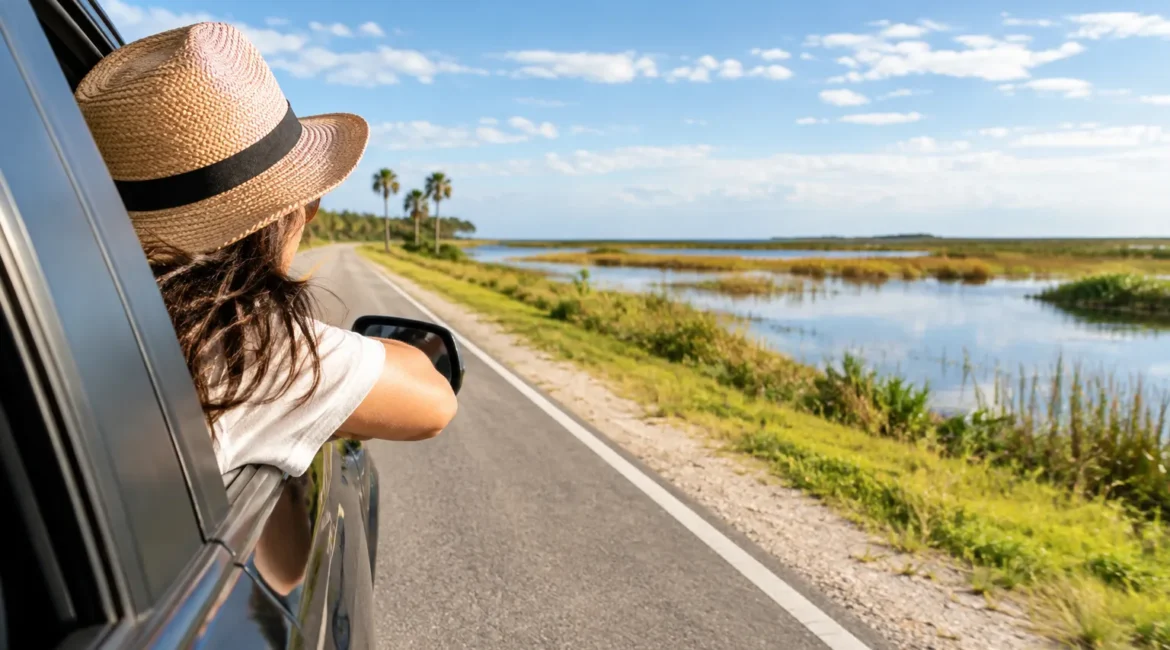
Florida road trips beyond theme parks can follow Gulf beaches, Everglades wetlands, Atlantic Coast history, or North Florida springs and historic towns. Choose a route by the kind of stops you want, then check access and weather before setting your daily plan.
Plan around Florida’s weather, seasons, and conservation updates
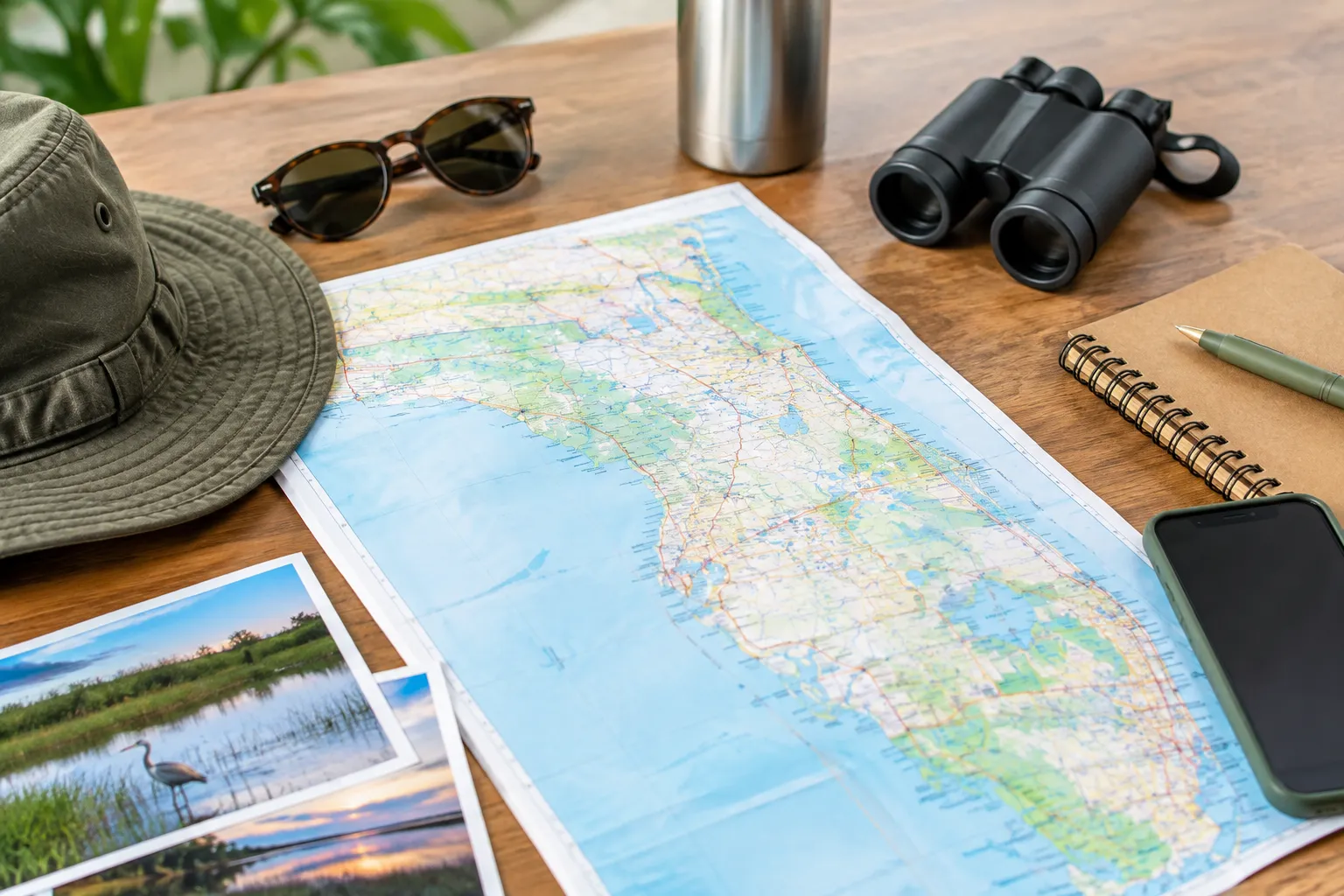
A Florida road trip works best when you match your route to the season, leave room for weather changes, and confirm access at parks and other protected areas before driving there.
Florida’s heat, rain, and storm risk can affect how comfortable an outdoor stop feels and whether you can follow the plan you made. Conditions also vary across the state, so a beach day on the Gulf and a wetlands walk farther south may call for different timing and backup plans. For a trip in the warmer, wetter part of the year, consider starting outdoor activities earlier and keeping a flexible indoor or town stop in reserve.
Conservation areas and parks may have changing access, closures, or visitor guidance. Before setting out, use the National Park Service trip-planning guidance to check conditions, weather, closures, and gear. If a trail, entrance, or activity is unavailable, choose a nearby stop rather than building the whole day around access you have not confirmed.
For a first road trip, it helps to narrow the map before collecting individual attractions. Our guide to planning your first US road trip can help you think through route scope and pacing. Treat Florida as a region-by-region trip rather than trying to combine every coast and inland area into a few days. That approach makes room for the actual stops you care about.
Drive the Gulf Coast for beaches and wildlife
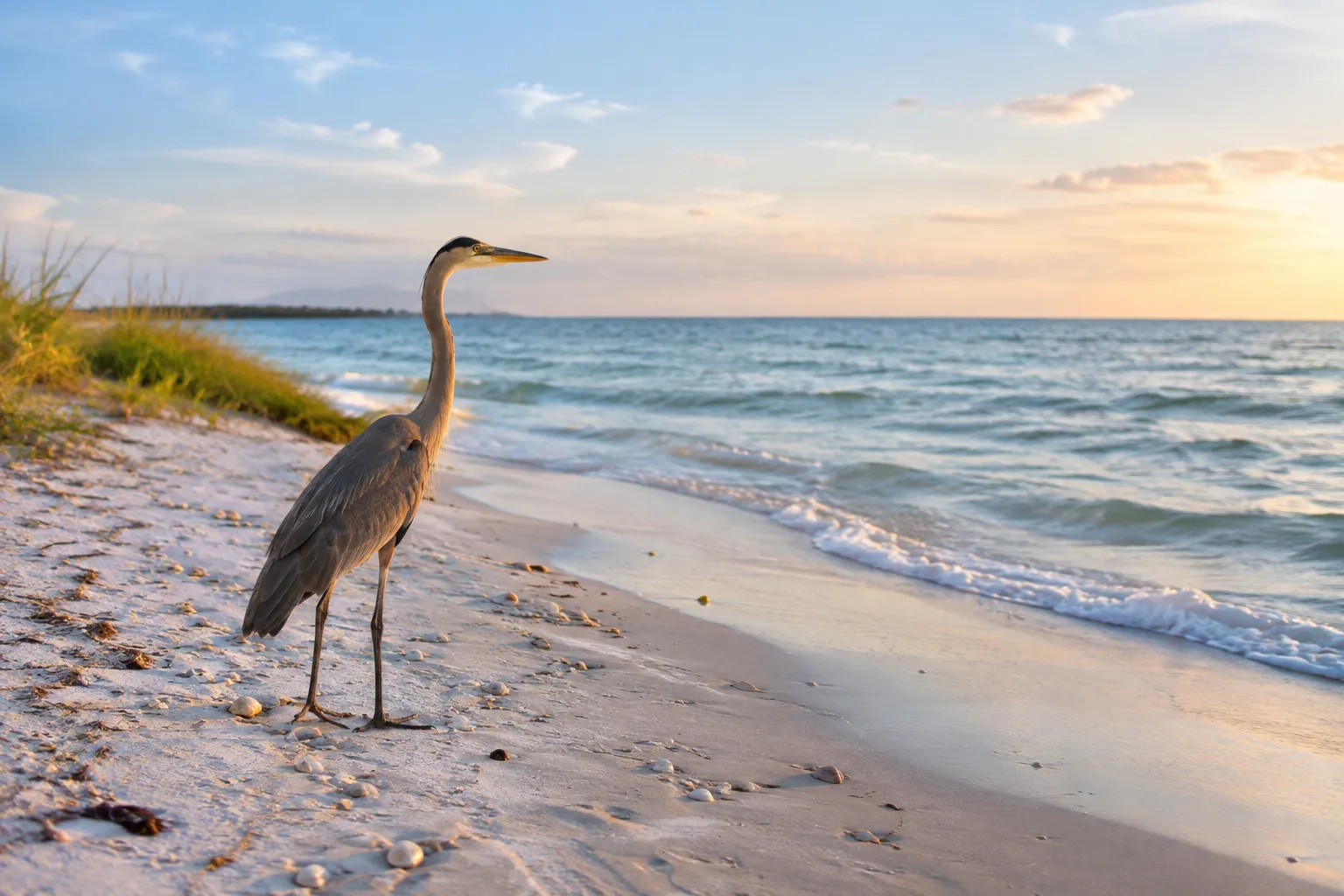
A Gulf Coast drive pairs beach time with wildlife viewing and waterfront communities, making it a good fit if you want coastal scenery without building the trip around theme parks.
Plan a stretch of coast rather than trying to cover the entire shoreline. Choose a beach or waterfront base, then add nearby nature areas and a second community for an overnight or meal stop. This creates a route with variety while limiting the temptation to spend most of the day crossing the state.
Beach access and conditions can change, and seasonal crowds may affect how much time you want to spend at a popular stop. Check local access information before committing to a particular beach, and keep a second option in mind. For wildlife viewing, follow posted rules and stay on designated paths; the point is to observe animals without disturbing habitat.
A simple three-day structure might look like this:
- Day one: Drive to a Gulf Coast base and explore its waterfront or a nearby beach.
- Day two: Set aside most of the day for the coast, adding a wildlife area if access and conditions suit.
- Day three: Visit a second coastal community on the way onward, or use the day for a slower return.
Use travel guides for Florida as a starting point for comparing coastal areas, but check current details for the specific stops you choose. A route that sounds close on a map can still require more driving than expected once you account for traffic, parking, and time spent outdoors.
Explore the Everglades and South Florida wetlands
A wetlands-focused South Florida drive can combine park roads, walking, paddling, and wildlife viewing, as long as you confirm current access and conservation guidance first.
Choose one main wetland area as the anchor for the day, then add a nearby community or a second nature stop only if the driving and opening details fit. Walking routes let you explore on land, while paddling offers a different way to experience waterways where it is permitted. The options vary by location, so check which activities are available at your chosen stop instead of assuming every area supports the same visit.
Build your schedule around the activity, not just the drive. A short walk, a longer trail outing, and a paddling trip require different amounts of time and preparation. Leave room for changing weather, and carry gear suited to the conditions and the activity. Check alerts and closures before setting out; a park entrance or route being accessible does not mean every trail or activity is open.
Wildlife viewing is most rewarding when you slow down and follow local guidance. Keep to marked areas and avoid feeding or approaching animals. If you are choosing among destinations, compare the specific experiences—walking, paddling, or viewing wildlife—rather than expecting one stop to offer every kind of outing.
Follow the Atlantic coast to historic communities
An Atlantic Coast route links beach time with historic communities, giving you a mix of coastal stops, local streets, and time to explore places beyond the shoreline.
Pick a coastal section that fits your available days, then choose a town or city as a base for the history-focused part of the trip. You might spend a morning at the beach and the afternoon exploring a historic district, museum, or waterfront, depending on what is open and what interests you. Check local visitor information for current access and hours before making a specific attraction the day’s anchor.
A two- or three-stop itinerary is easier to pace than a rapid chain of towns. For example, use the first day to reach your base and walk its central area, the second for a beach and a deeper visit to local history, and the third to travel to another community or head back. This gives you time to notice the character of each place rather than turning the trip into a checklist.
For more Florida planning ideas across beaches, parks, and cities, browse our Florida destination guide. Use it to compare the kinds of stops you want, then check details for each destination before you go.
Take a North Florida drive through springs and historic towns
A North Florida route can pair freshwater springs with historic towns, offering an inland alternative to a coast-centered itinerary.
Choose a spring or other nature stop first, then connect it to a nearby town where you can spend time walking, eating, or exploring local history. Access rules and available activities differ by site, so confirm whether swimming, paddling, or trail use is currently allowed before making that activity the reason for your visit. A scenic stop is not automatically an all-day outing; plan the rest of the day around what is actually available.
Historic communities make useful overnight bases when they sit between nature stops or break up a longer drive. Look for a town with the kind of visit you want—such as a walkable center or a particular cultural attraction—and check its visitor information for current details. This can help the day feel like a route with distinct experiences rather than a drive between parks.
If you want to add more destinations, compare the extra driving with the time each one gives you on the ground. One spring and one town may suit a short visit better than several stops that leave little time to explore.
Choose a route and shape it into a practical itinerary
Choose the route by matching your available days and preferred activities to the driving involved, then verify each key stop before you book or set out.
Use these questions to compare the options:
- Which experience do you want most: beaches and coastal communities, wetlands and wildlife, Atlantic history, or springs and inland towns?
- How many days can you spend on the route without making each day a long transfer?
- Which activities need a set time or advance planning, and which can stay flexible?
- What alternative stop can you use if weather, closures, or access changes disrupt the plan?
For a short trip, focus on one region and a small number of stops. With more time, add a second area only if the drive between them leaves enough time to enjoy both. A route that crosses from one side of Florida to another may look straightforward on a map, but the distance can take a meaningful part of a travel day.
Choose overnight bases that reduce backtracking. Put the most important stop early in the day when practical, and leave open time for meals, parking, and a slower visit. If you are comparing broader U.S. routes as well, our guide to road trips by trip length can help you think about how much route fits your schedule.
Finally, check the details that could change the day: park alerts, road and weather conditions, access rules, and the current availability of the activities you want. Keep a nearby alternative in mind, especially for outdoor stops. This is a practical way to make an itinerary useful without pretending every detail will stay fixed.
Recommended next steps
Turn your preferred Florida route into a workable plan by confirming the stops, travel days, and current conditions in order.
- Choose one route type—Gulf Coast, South Florida wetlands, Atlantic Coast history, or North Florida springs and towns—that matches the activities you most want.
- Mark the main destination and nearby stops, then compare their locations to avoid unnecessary backtracking.
- Assign overnight bases and travel days, leaving enough time for the planned activities instead of treating every day as a transfer.
- Check current weather, park conditions, closures, and access rules for each outdoor stop before setting out.
- Pick a backup activity or nearby community for any day when weather or access changes the original plan.