
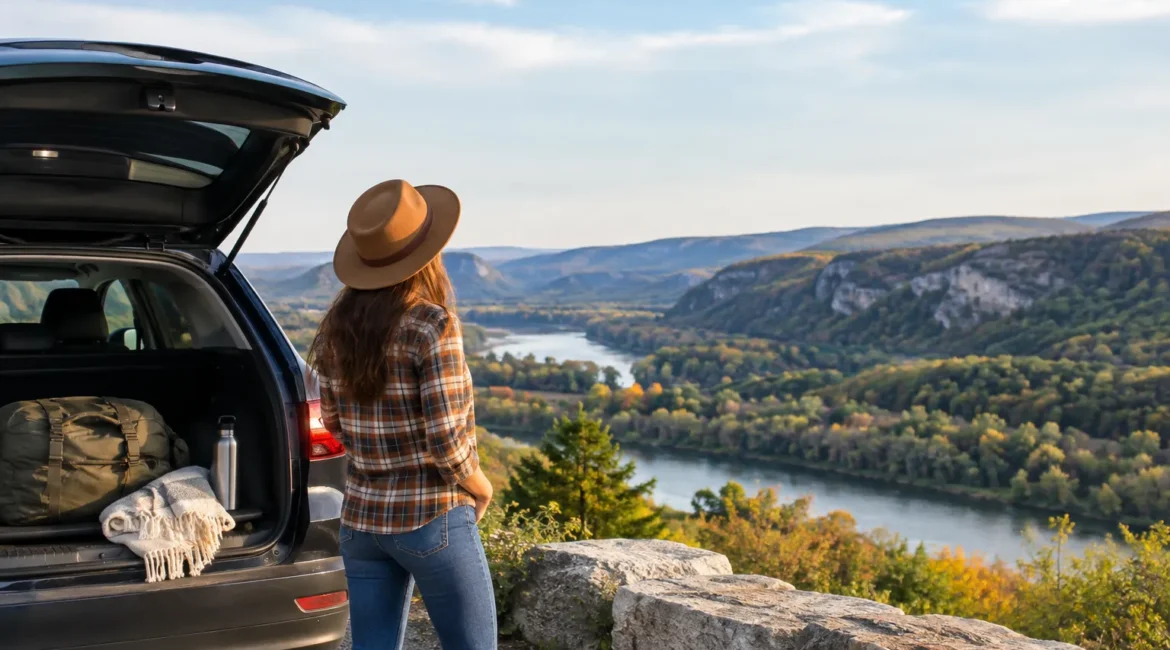
A history-focused drive can do more than connect famous landmarks. The most rewarding US road trips for history lovers link places to the people who lived, worked, migrated, resisted, and built communities there—and leave room to question whose stories a familiar account leaves out.
Rather than trying to cover the whole country in one trip, choose a region and a historical thread. Then build realistic travel days around a few meaningful stops, with time to read, listen, and learn from local interpretation.
Choose a route by the history you want to understand
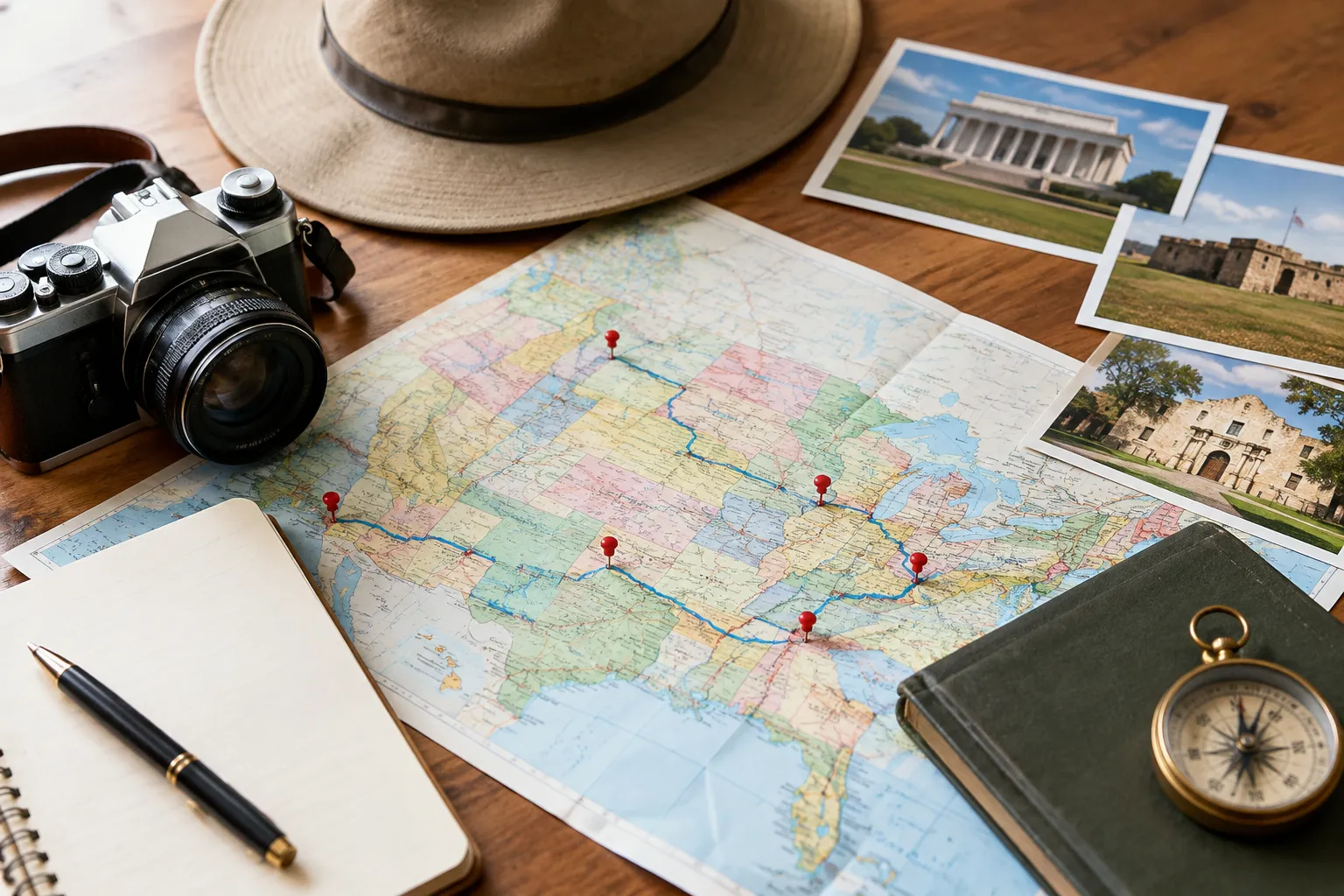
Start with a question, not a checklist. Are you interested in the Revolution, the forced removal of Indigenous peoples, the Great Migration, industrial growth, or the cultures shaped by the West? A focused theme helps you choose between the many United States road trips available and gives each stop a reason to be there.
Think of a route as a sequence of connected stories. A city museum might introduce the broader context; a historic district, battlefield, or former industrial site can show how that history shaped daily life. Add time to visit community museums and cultural sites, not only the most photographed landmarks.
A few planning choices make the route more useful:
- Pick one region and one or two related themes.
- Choose a central base or a manageable direction of travel instead of zigzagging between distant sites.
- Check the opening hours, reservation requirements, and interpretation options for each stop before setting your schedule.
- Leave space for a long museum visit or an unexpected conversation, rather than packing every day with attractions.
When comparing travel guides for the United States, look beyond the number of destinations they list. Check whether the guide explains how sites relate to one another, gives practical planning information, and includes cultural or historical context. Our guide to choosing a road-trip style can help you decide what kind of pace and stops suit your trip. For a broader overview of route options, see road trips in the United States for first-time travelers.
Follow the Revolution through New England and the Mid-Atlantic
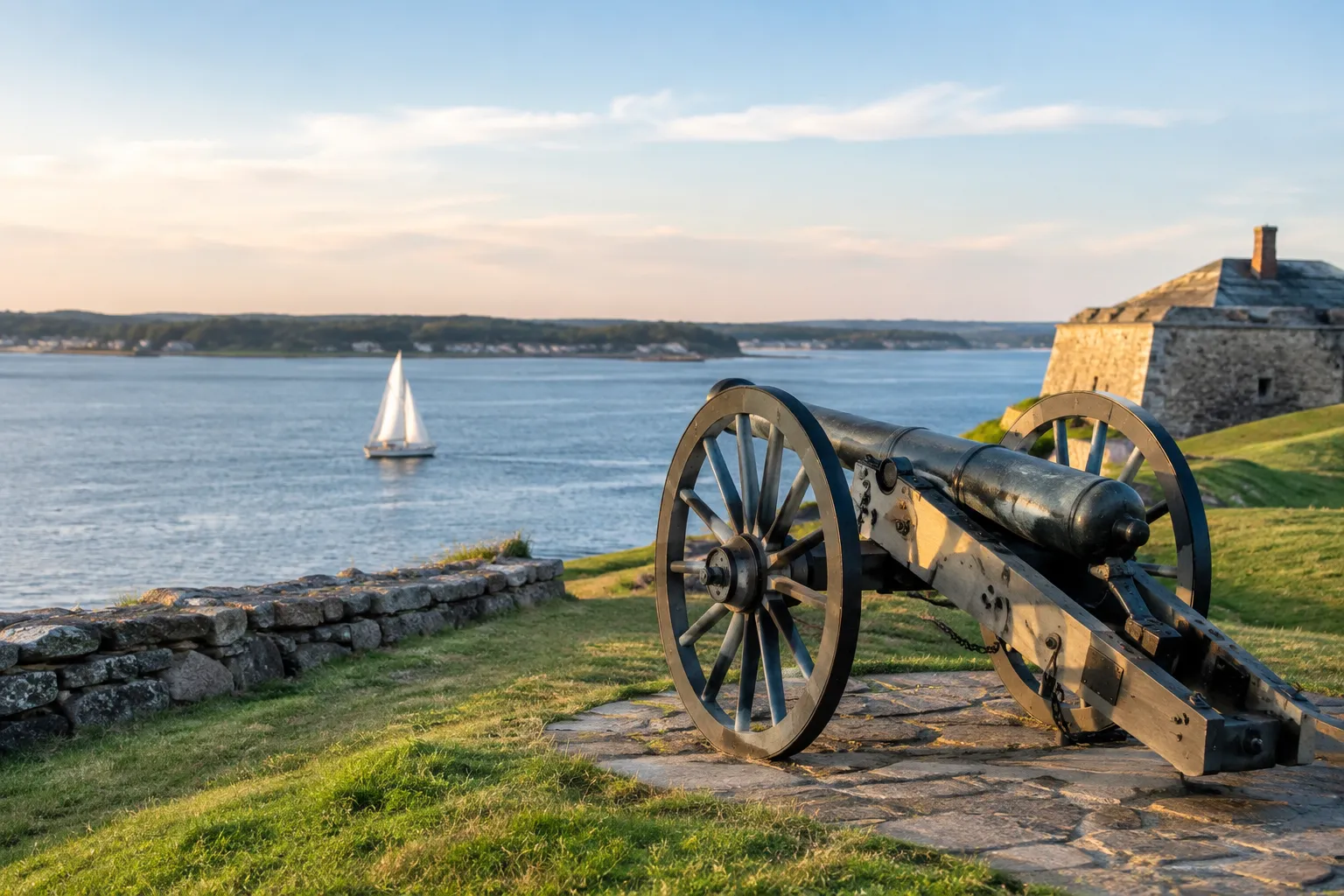
A New England and Mid-Atlantic route can connect Revolutionary-era sites with the communities that shaped—and experienced—the founding of the United States. Rather than treating each battlefield or historic house as a stand-alone photo stop, follow a corridor through places such as Boston, Lexington and Concord, and Philadelphia. The exact route depends on how much time you have and which sites you want to visit.
In Boston, walking routes and historic sites can introduce the events leading to the Revolution. Continue toward Lexington and Concord to consider how conflict reached communities beyond the city. Philadelphia adds a different perspective: it was a center of political debate and institution-building, but the founding-era story also includes people excluded from political rights, including women, enslaved people, free Black communities, and Indigenous nations.
The region’s story is not only about famous leaders and declarations. Indigenous communities had long histories and relationships to these lands before European settlement, and the Revolution affected them in varied ways. At each site, look for information about whose land it occupies, who held power, and whose choices are represented in the exhibits. A local museum or tribal cultural organization may offer context that a national overview does not.
Plan a day around a small number of stops within one area. Historic sites can involve walking, timed entry, or extensive interpretation, so avoid assuming that a quick visit will do them justice. For a longer trip, compare route options with our guide to road trips by trip length, then leave time to explore neighborhoods and local museums along the way.
Explore migration and civil rights across the South
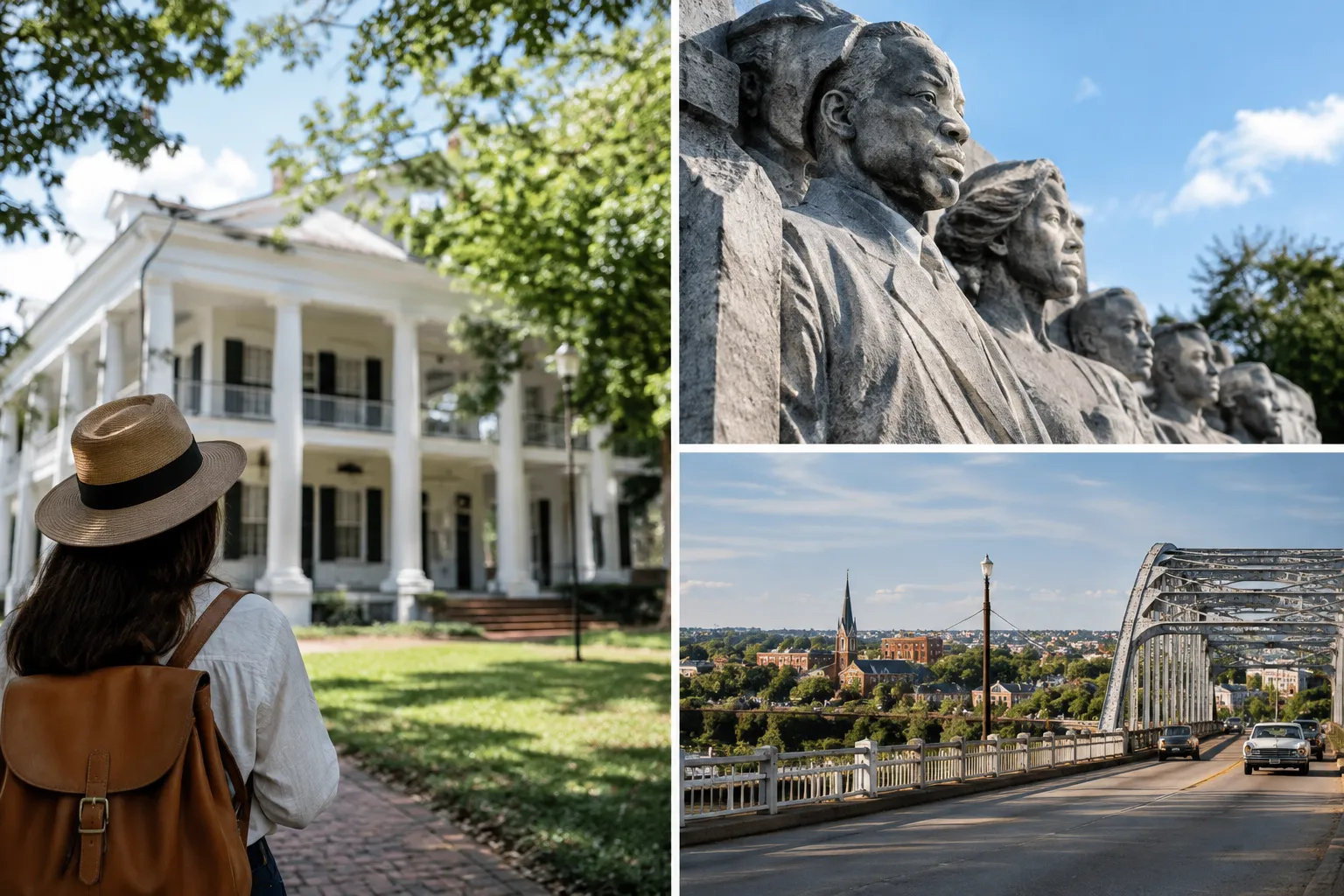
A Southern route can bring together histories of enslavement, forced migration, Black community life, the movement for civil rights, and regional culture. These subjects are connected, but they are not interchangeable. A thoughtful itinerary gives each place time and avoids reducing a complex history to a single memorial or museum visit.
One possible approach is to focus on a few cities and communities associated with civil rights history, then connect them with sites that interpret earlier histories of slavery and its continuing consequences. Museums, historic neighborhoods, churches, and memorials can each provide a different kind of account. Before you go, check which sites are open, whether tours need reservations, and how much time the exhibits recommend.
Consider whose voices shape the interpretation. Read exhibit text closely, look for oral histories and local perspectives, and notice whether a site explains the lives of ordinary residents alongside well-known events and leaders. Local food, music, and cultural institutions can also help visitors understand how communities have carried traditions forward. They are part of the story, not a decorative break from it.
Keep daily driving distances modest enough to allow for meaningful visits. If a museum or historic district is the main reason for a stop, give it a substantial part of the day rather than squeezing it between long drives. Travelers who want to combine cultural stops with different landscapes can also browse our road-trip ideas for couples who want variety; the planning principles can work for any travel companions.
Trace Indigenous histories and western transformation
A Western route can examine Indigenous homelands, westward expansion, and the industries that transformed communities and landscapes. The history is not confined to the past: Indigenous peoples and nations are present-day communities with distinct histories, cultures, and perspectives. Avoid framing the region as empty land waiting to be explored.
Choose destinations that let you examine more than one side of western transformation. Depending on the region, that might mean pairing a museum or cultural center with a site connected to settlement, railroads, mining, ranching, or other industries. Look for interpretation that explains who benefited, who was displaced, how land and resources changed hands, and how those changes continue to matter.
When visiting Indigenous cultural sites, follow the community’s guidance. Check for visitor rules, photography restrictions, closures, and recommended ways to learn before arriving. A tribal museum or official tribal resource can provide context specific to that nation; avoid assuming that one community’s account represents all Indigenous peoples.
Western distances can make a route feel simpler on a map than it is in practice. Group nearby sites, confirm current access information, and plan overnight stops around the places you want to understand. If you are also considering parks or outdoor destinations, our road trips for adventure travelers offers ideas for combining route planning with time outside.
Plan a more thoughtful history-focused road trip
A responsible itinerary is practical as well as reflective. Confirm site hours and admission procedures directly with the places you plan to visit, since schedules and access can change. Check whether a tour, reservation, or special exhibit affects your timing, and avoid building a full day around a single attraction without a backup option.
Use a simple planning framework:
- Choose a historical theme and a region.
- Map a small number of core stops, then add nearby museums or community sites.
- Estimate driving time between stops and leave room for meals, walking, and longer visits.
- Read about the sites before you arrive, especially when the history involves dispossession, enslavement, or conflict.
- Review local guidance on photography, sacred places, and respectful behavior.
At the sites themselves, slow down. Read the interpretation rather than relying on a quick photo, and be mindful that memorials and historic spaces may hold deep meaning for local communities. If a display presents a single, tidy account of a complicated event, look for additional context from reputable local museums, archives, or cultural organizations.
Support local communities by spending time and money at locally run museums, cultural institutions, restaurants, and shops where appropriate. Ask questions respectfully, and do not expect community members to explain difficult history on demand. A good trip is not measured by how many markers you reach; it is measured by how clearly you understand the places and the people connected to them.
For a first road trip, keep the geography narrow and the days flexible. For a longer journey, plan around clusters of related sites and build in rest days. The first-time road-trip guide can help with route scope and pacing if you are still deciding how much ground to cover.
Recommended next steps
Choose the history you most want to understand, then select a region where several relevant sites can be visited without rushing. Make a draft route, check local information for each stop, and reserve enough time for context—not just the drive between landmarks.
If you are still comparing options, use our guide to road trips by trip length to match the route to the time you have. A focused itinerary can reveal more than a coast-to-coast checklist: it gives you room to connect places, hear more than one perspective, and leave with a deeper understanding of the stories behind the road.