

The best road trips are not defined by how many miles you cover. They are shaped by what happens between the starting point and the destination: a coastal walk, a quiet mountain overlook, a local meal, a museum, a trail, or an unexpected town worth exploring. The right itinerary gives you enough structure to travel confidently without turning every day into a race.
How to choose among the best road trips
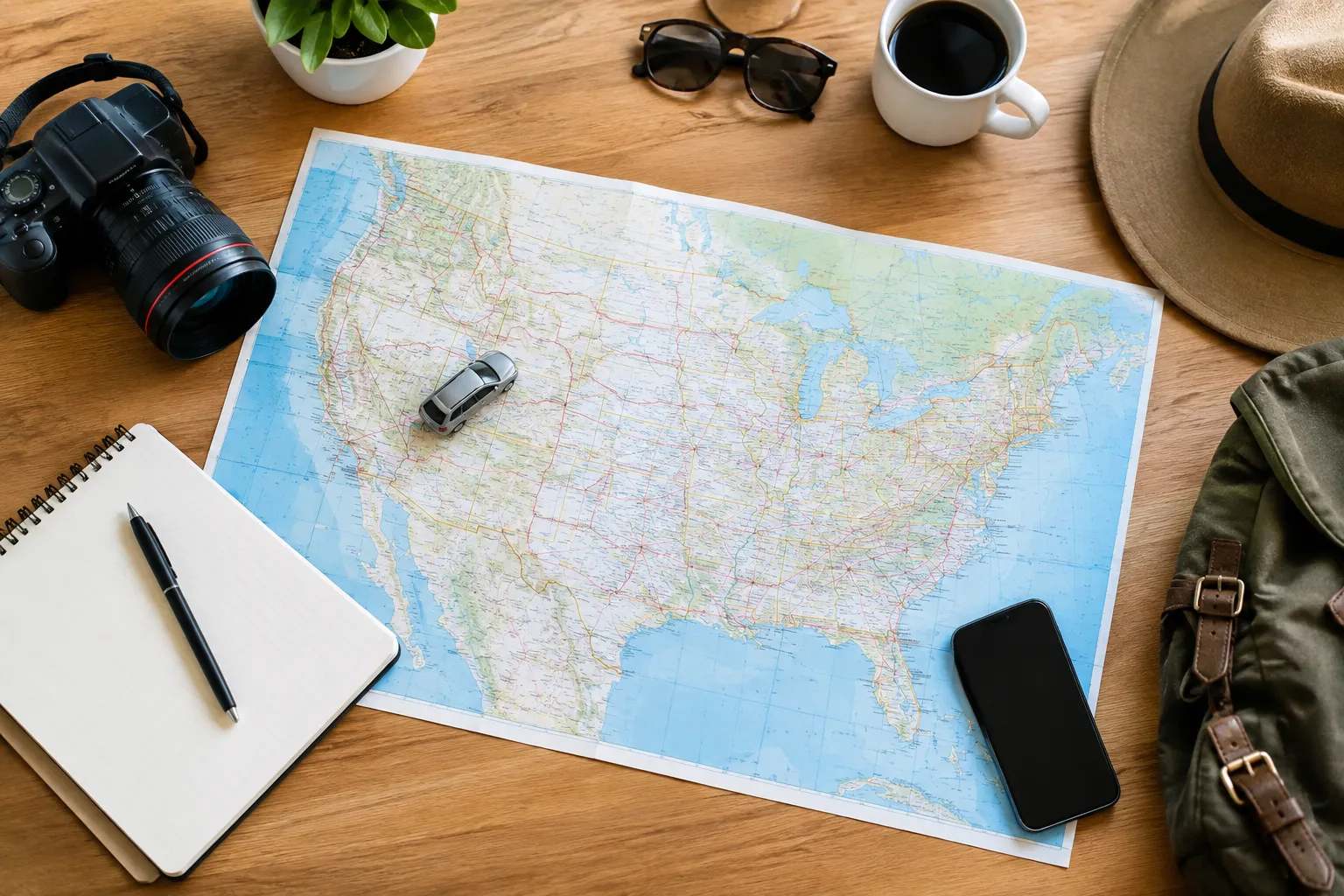
Choosing from the best road trips starts with the experience you want, not simply the states you hope to cross. A scenic drive, an outdoor adventure, and a food-focused journey may use some of the same roads, but they need very different pacing.
Use this decision process before building a route:
- Choose your main adventure style.
- Decide how much time you want to spend driving.
- Mark the places that deserve a full day.
- Add nearby attractions rather than unrelated detours.
- Leave room for weather, delays, and discoveries.
This approach is more useful than collecting road trips ideas without checking whether they fit your available time, vehicle, budget, or travel companions. It also creates a stronger foundation for a united states travel guide or itinerary because each stop has a purpose.
Pick your adventure style first
Scenic road trips suit travelers who see the drive itself as part of the attraction. You might prioritize ocean viewpoints, desert formations, mountain passes, forests, or open highways. These routes work especially well when you are happy to stop often for short walks, photographs, viewpoints, and local cafés.
Outdoor-focused trips need more time at each destination. A hike may require a trailhead drive, parking time, preparation, and recovery afterward. A paddling, cycling, climbing, or camping itinerary may need equipment, reservations, weather flexibility, and a backup plan. If outdoor activity is the main reason for traveling, do not treat it as a quick stop between long driving days.
Cultural road trips connect places through food, music, architecture, history, and local traditions. Instead of asking only which landmark is most famous, consider what gives a region its identity. A route through the South might be shaped by music and barbecue, while a journey through the Southwest could focus on Indigenous history, desert communities, and regional arts.
Slower small-town routes are ideal when you want independent businesses, local restaurants, main streets, scenic back roads, and more relaxed overnight stays. They may cover fewer miles, but they often provide the kind of unplanned conversations and quirky stops that disappear from a tightly scheduled itinerary.
For road trips for couples, discuss the balance before booking anything. One person may want hiking and remote landscapes while the other prefers food, galleries, or comfortable town stays. A route works better when both travelers can identify several stops they genuinely want to experience.
Decide how much driving suits your trip
A practical itinerary separates transfer days from exploration days. A transfer day moves you toward the next base; an exploration day gives you time to hike, visit attractions, wander a town, or simply recover.
Long distances can look manageable on a map but feel very different when roads are winding, elevations change, traffic slows, or stops take longer than expected. Build your plan around realistic driving time rather than the maximum distance a navigation app allows.
A useful structure is:
- One longer driving day followed by a slower day.
- Two nights in places with several worthwhile attractions.
- Shorter drives before demanding hikes or activity days.
- Flexible time near national parks, remote areas, or scenic byways.
- At least one unscheduled block for weather or unexpected discoveries.
The best road trips usually have fewer bases than first drafts. Moving accommodation every night creates packing and check-in work, leaving less time for the places you came to see. If a destination offers several nearby attractions, stay longer and explore from one base.
Scenic road trips with memorable views
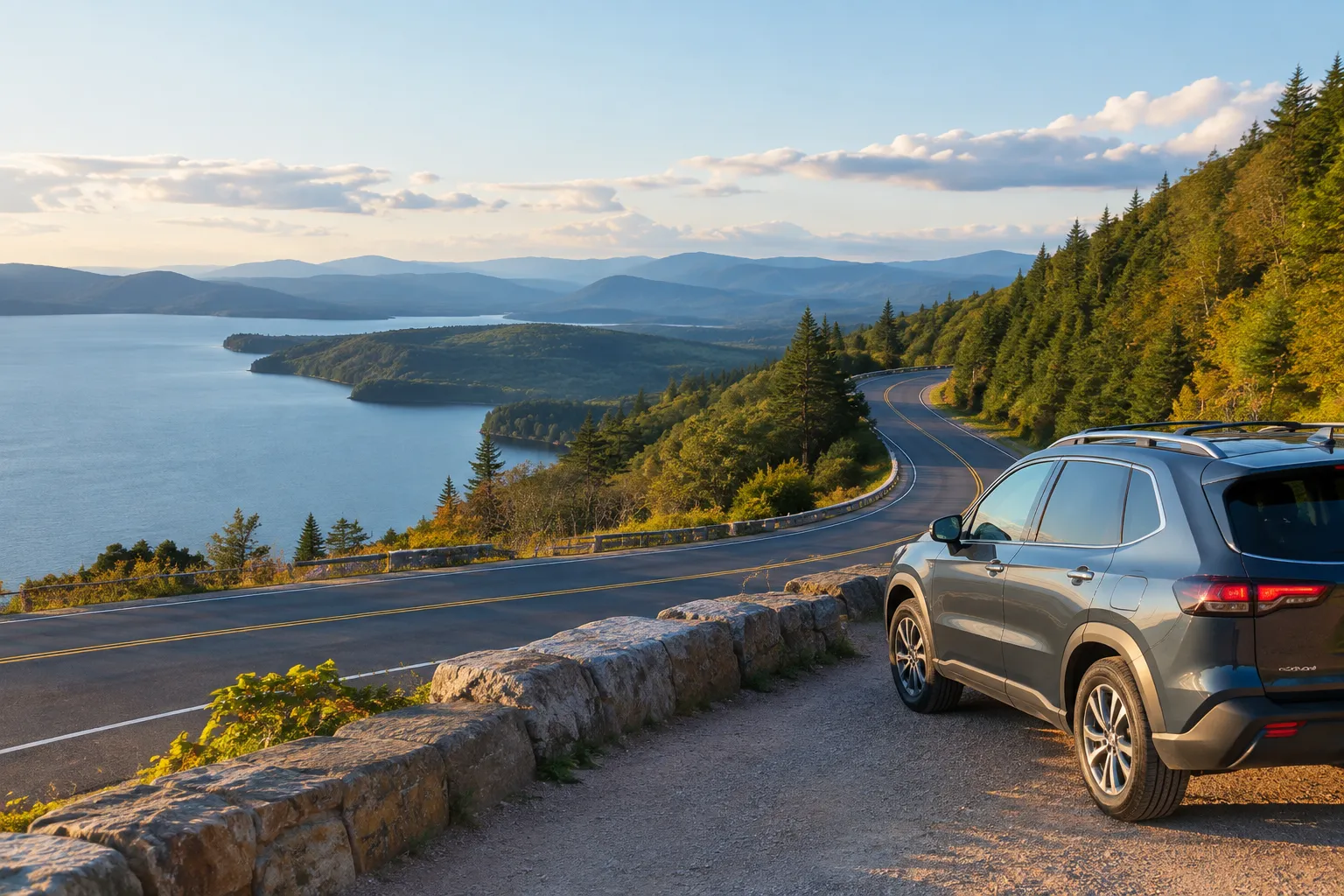
Scenic routes are among the most popular road trips ideas because the landscape remains part of the journey. The important planning question is not only which road has the best views, but where you will stop, walk, eat, and sleep along the way.
Pacific coast scenery and seaside towns
A California coastal route can combine ocean views, beaches, viewpoints, state parks, and walkable seaside towns. It suits travelers who want variety without leaving the coast for long periods.
Plan the route as a series of short experiences rather than one continuous drive. A morning viewpoint, a beach walk, a town lunch, and an afternoon visit to a nearby attraction can make a relatively short travel day feel full without becoming exhausting.
Allow extra time for scenic pullouts and coastal roads. The most memorable sections may be slower than expected, and stopping safely is more important than maintaining a strict arrival time. Overnighting in different types of places can also shape the trip: a larger coastal town may offer dining and services, while a smaller community may provide a quieter evening.
For couples, this style of road trip offers an easy mix of shared walks, relaxed meals, and flexible stops. It also works well for travelers who want beautiful scenery without committing every day to a difficult hike.
Desert landscapes and red-rock country
A Southwest itinerary can connect canyon scenery, red-rock formations, national parks, scenic byways, and dark evening skies. The scale of the landscape makes distance deceptive, so use a small number of bases and plan each park day carefully.
Give major landscapes a full day where possible. A viewpoint tour may be different from a trail day, and both are different from a scenic drive through the region. Trying to combine several parks with long transfers can leave you seeing only parking areas and overlooks.
Desert travel also requires practical preparation. Carry sufficient water for the activities you have planned, check road conditions, and avoid assuming that a short trail will be easy simply because it is short. Heat, exposure, elevation, and limited services can change the character of a stop.
Build evenings into the itinerary rather than treating them as spare time. A quiet dinner, a town walk, or time outside after sunset can be as meaningful as another daytime viewpoint. The strongest red-rock road trips alternate active park days with easier travel or town days.
Mountain passes and forested parkways
Mountain routes through the Appalachians or Rocky Mountains combine changing elevations, overlooks, forests, wildlife habitat, and seasonal color. They are excellent for travelers who want the road to feel immersive rather than merely functional.
Mountain driving requires more attention to weather, daylight, road gradients, and vehicle condition. Keep daily plans flexible, especially when the route includes passes, remote stretches, or roads that may close seasonally.
Instead of collecting every overlook, choose a few short walks and one or two longer stops. A forested parkway can become repetitive if you rush from viewpoint to viewpoint, but it becomes richer when you stop to learn about local history, geology, or communities along the route.
Plan for changing temperatures and conditions. A comfortable town departure does not guarantee the same conditions at a higher elevation. This is one reason a good united states travel guide should explain the route’s character and practical demands, not just list destinations.
Active road trips for outdoor adventure
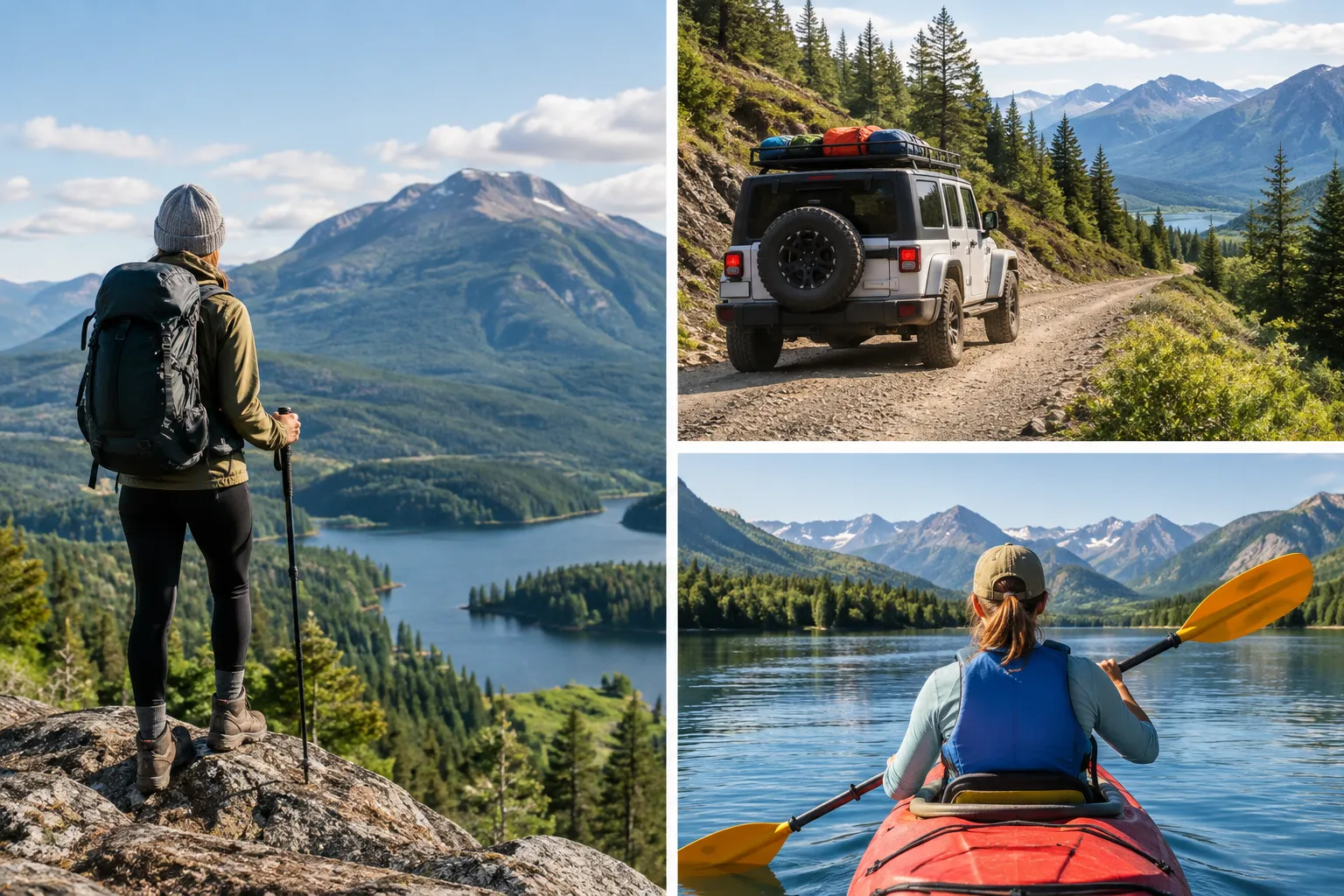
An active road trip should be organized around the activities, not around how many destinations can fit between them. Hiking, paddling, cycling, climbing, and wildlife viewing all require time before and after the activity.
Build in time for hikes and park days
Start by identifying the experiences that cannot be shortened. A demanding hike, a permit-based visit, or a guided water activity should anchor the itinerary. Add driving around those commitments rather than placing them at the end of a long transfer day.
For each outdoor stop, check:
- Trail length, elevation, and expected difficulty.
- Parking arrangements and trailhead access.
- Permit or reservation requirements.
- Weather patterns and seasonal conditions.
- Water, food, and phone connectivity.
- Time needed to return before dark.
- A lower-effort alternative if plans change.
A park day may include only one major trail. That is not wasted time. It allows you to move safely, pause at viewpoints, deal with parking, and enjoy the area instead of measuring success by the number of trails completed.
Recovery matters too. Two demanding activity days in succession can make the next driving day unpleasant. Alternate strenuous outings with scenic drives, town visits, or shorter walks. This is particularly important for road trips for couples, where both travelers may have different fitness levels or interests.
When a guided trek is the better fit
A self-guided US road trip offers control over the route, pace, vehicle, and stops. It is a good fit when you enjoy making decisions and want to combine outdoor activities with towns, food, and cultural attractions.
A professionally guided trek is different: logistics, route decisions, group support, and local expertise are part of the experience. Travelers comparing the two models can look at Eco Africa Climbing, which organizes guided Mount Kilimanjaro climbs, private and group climbing expeditions, and private Tanzania wildlife safaris.
The choice depends on the experience you want. Choose a self-guided road trip when independence and variety matter most; consider a guided international adventure when the trek itself is the central goal and you prefer structured support.
Cultural and small-town routes across the USA
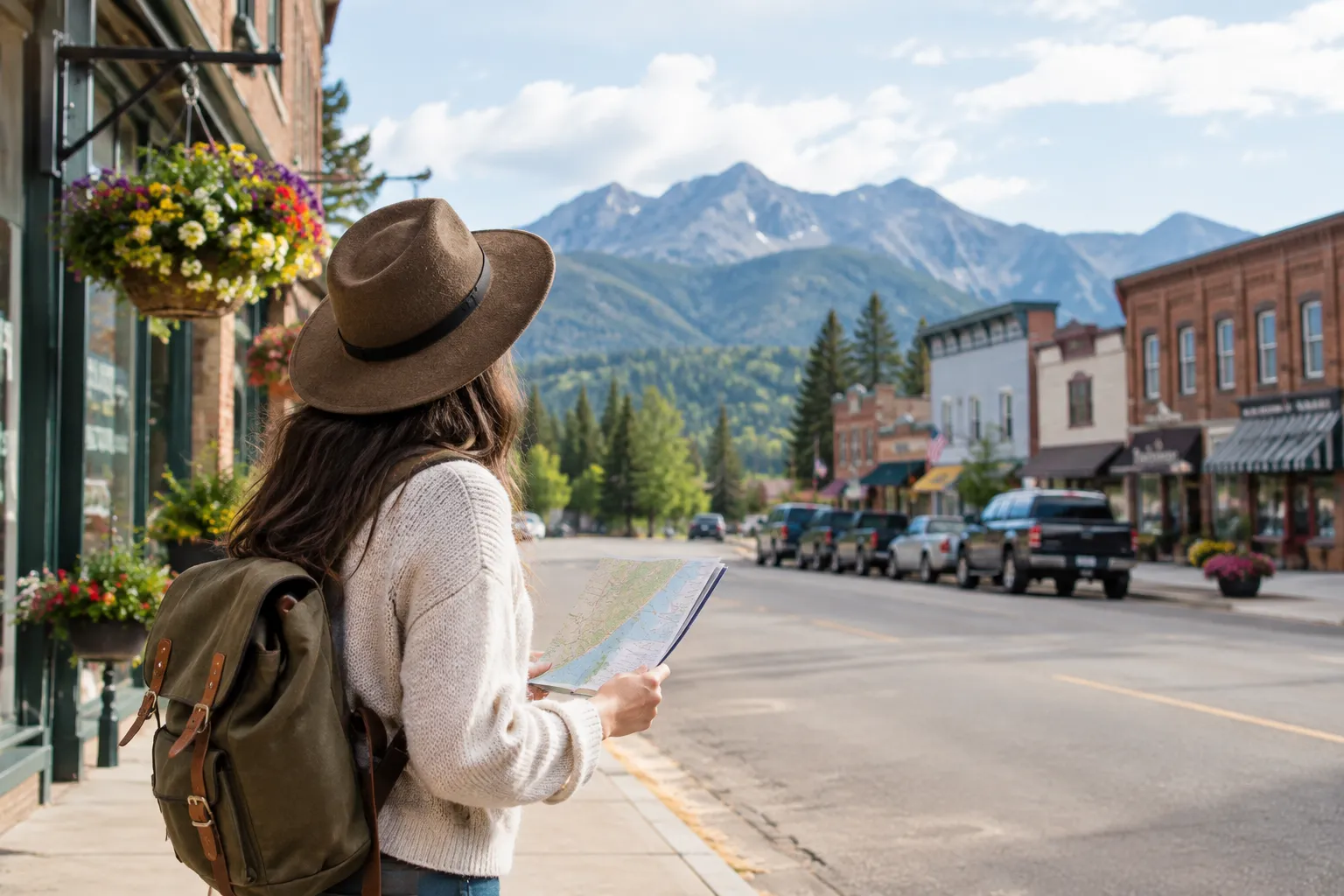
Not every memorable route is built around dramatic scenery. Some of the best road trips follow regional food, music, history, architecture, crafts, and local traditions. These journeys reward curiosity and a willingness to spend time in places that may not dominate a national itinerary.
Follow regional food, music, and history
A cultural route needs a connecting theme. You might follow Southern music through historic venues and towns, plan a barbecue-focused journey, explore bourbon country, or connect coastal communities through seafood and maritime traditions.
History should be part of the route rather than a paragraph added afterward. Look for museums, historic districts, cultural centers, preserved buildings, and local tours that explain how a place developed. In the Southwest, include opportunities to learn about Indigenous history and living communities respectfully, rather than treating cultural sites as quick photo stops.
Food can provide a practical rhythm. Plan a market or café in the morning, a museum or historic site during the day, and a local restaurant or music venue in the evening. Confirm opening days and booking requirements before building the route around a single attraction.
These trips can suit road trips for couples particularly well because they offer different ways to participate. One traveler might focus on history while the other explores food, music, or architecture, with shared meals and walks connecting the day.
Slow down on back-road itineraries
Back-road travel works best when you accept that the route may be less efficient. Smaller towns, independent shops, farm stands, local restaurants, and scenic detours often need extra time and flexible expectations.
Choose overnight stops that offer something to do after arrival. A town with a walkable center, a local museum, a riverfront, or a distinctive food tradition is more rewarding than a generic overnight chosen only because it divides the mileage evenly.
Use local businesses as part of the journey, but avoid assuming that every small-town attraction operates daily. Check hours, seasonal schedules, and reservation needs. Keep a second option available when a restaurant, museum, or event is closed.
A slower itinerary also makes room for quirky stops. A roadside landmark, unusual local collection, historic general store, or small-town festival may not appear in a broad national guide, but it can become the detail you remember most.
Plan a road trip that leaves room to explore
The difference between an appealing route and a usable itinerary is often the amount of practical detail behind it. A good plan shows where you will drive, what deserves time, which stops are optional, and what could be dropped without damaging the trip.
Balance driving days with time off
Divide the route into three categories:
- Exploration days for major attractions or outdoor activities.
- Transfer days for moving between regions.
- Flexible days for rest, weather, errands, or unexpected stops.
Avoid scheduling the most important activity immediately after the longest drive. If the route requires a demanding transfer, make the following morning slower. Likewise, do not fill every flexible day with backup attractions; some of that time should remain genuinely open.
When comparing road trips ideas, ask how many hours you will spend outside the vehicle. A route with fewer destinations may provide more actual travel experiences than a larger loop dominated by highway time.
For a first trip, a day-by-day itinerary is useful because it turns broad intentions into decisions: where to sleep, what to do first, which attraction is nearby, and when to move on. It should still include alternatives rather than pretending every day will unfold perfectly.
Budget for the full journey
Avoid comparing routes by fuel alone. A realistic road-trip budget can include:
- Fuel and possible tolls.
- Lodging and taxes.
- Meals, groceries, and snacks.
- Park entry or activity fees.
- Parking and local transportation.
- Vehicle rental, maintenance, or preparation.
- Gear, permits, and reservations.
- A contingency amount for changes.
The same route can cost very different amounts depending on accommodation choices, travel dates, vehicle type, and the number of paid activities. Do not treat a low daily estimate as a complete budget until these categories have been considered.
You can reduce pressure by mixing accommodation types, preparing some meals, choosing free viewpoints and walks, or staying outside the most expensive destination areas. However, savings should not create impractical driving days or remove the time needed to enjoy the route.
Prepare for seasons, roads, and reservations
Check conditions that can change close to departure. These may include road closures, construction, wildfire smoke, storms, snow, flooding, trail access, park rules, and local events. A route that works in one month may need a different structure in another.
Reserve the elements with limited availability first, particularly lodging in remote areas, popular activities, permit-based experiences, and accommodation near major attractions. Keep cancellation terms and alternative locations in mind before committing.
Prepare the vehicle for the route. Check tires, fluids, lights, spare-tire arrangements, charging or fuel access, and the suitability of the vehicle for the roads you plan to use. Download essential maps or directions because connectivity may be unreliable in rural and mountain areas.
Carry practical basics such as water, snacks, layers, sun protection, a first-aid kit, chargers, and any personal medication. Your packing should reflect the route’s activities and conditions rather than a generic road-trip checklist.
Road Trip FAQ
What is the 3-3-3 rule for road trips?
The 3-3-3 rule is commonly used as a flexible planning idea: travel roughly three hours, stop for about three meaningful breaks, and avoid planning more than three major activities in one day.
What is the most beautiful road trip in the US?
There is no single answer, but coastal California, the Southwest’s red-rock country, and mountain parkways are strong choices for travelers who prioritize varied scenery and memorable stops.
What is the perfect road trip?
The perfect road trip matches the route to your available time, preferred activities, driving tolerance, budget, and travel companions, while leaving enough flexibility for changes.
Is $1000 enough for a road trip?
It can be enough for a short, carefully planned trip, but the answer depends on distance, vehicle costs, lodging, food, fees, travel dates, and the number of travelers.
What should you pack for a US road trip?
Pack adaptable clothing, comfortable shoes, water, snacks, chargers, personal medication, navigation backups, basic vehicle supplies, and equipment required for your planned outdoor activities.
How far in advance should you book a road trip?
Book limited lodging, permits, and popular activities first, then build the driving route around them. Timing depends on destination, season, flexibility, and how remote the stops are.
What type of vehicle is best for a road trip?
The best vehicle is reliable, comfortable for the number of travelers, suitable for the planned roads, and large enough for luggage and equipment without creating unnecessary fuel or parking difficulties.
What is the best season for taking a US road trip?
The best season depends on the region and route. Check destination-specific weather, road access, crowds, wildfire risk, snow, heat, and attraction schedules before choosing dates.
Choose your route and start planning
Start with the kind of adventure you want: dramatic scenery, active outdoor days, regional culture, or a slower journey through smaller towns. Then choose a route that gives that experience enough space instead of trying to combine every famous destination in one trip.
Map the journey in day-sized sections. Identify the essential stops, nearby attractions, realistic driving time, overnight bases, and activities that require reservations. Keep optional stops available for days when conditions, energy, or curiosity take you somewhere unexpected.
The best road trips are not the ones with the longest list of destinations. They are the ones that turn travel days into meaningful experiences, balance movement with time off the road, and give you enough practical detail to enjoy the journey with less guesswork.