
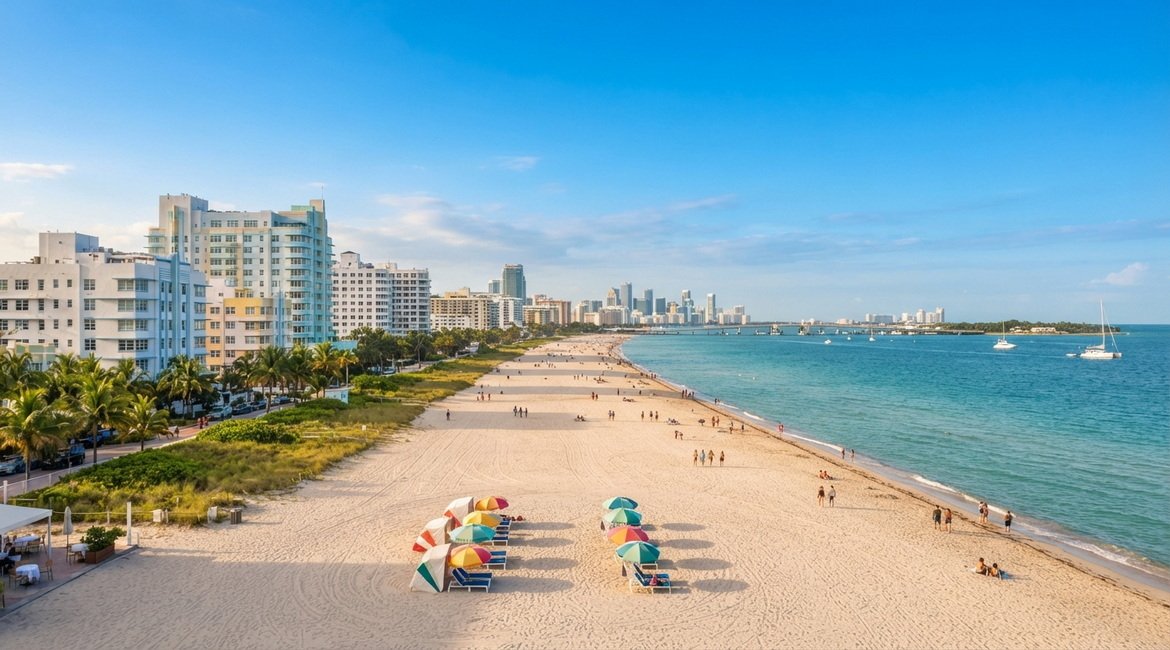
Miami is a year-round destination, but the experience can change dramatically depending on when you visit. A January afternoon on South Beach can be warm, sunny and comfortable. A July afternoon may bring intense heat, high humidity and a fast-moving tropical downpour. December can deliver beautiful weather along with some of the year’s highest hotel demand. September may offer attractive hotel rates, but it also falls inside both South Florida’s wet season and Atlantic hurricane season. For most travelers, the best time to visit Miami is between February and April. These months usually provide the strongest balance of warm beach weather, lower humidity than summer and relatively limited rainfall. However, they are not necessarily the cheapest months. Travelers looking for lower prices may prefer late spring, summer or early fall if they are comfortable with heat and a greater chance of rain. And visitors who want the most comfortable weather may prefer winter despite higher accommodation prices. The right time therefore depends on what matters most to you.
When Is the Best Time to Visit Miami?
Quick answer: February through April is our favorite period for a first Miami trip. The weather is generally warm enough for beaches, humidity is more comfortable than during summer and rainfall is typically lower than during South Florida’s wet season.
Here is the simple version:
- Best overall: February–April
- Best weather: January–April
- Best for beaches: March–May
- Best for lower prices: Summer and early fall
- Best for fewer crowds: May, late summer and parts of fall
- Hottest period: June–September
- Rainier period: Mid-May–mid-October
- Peak winter demand: December–March
Miami’s official tourism organization describes February as one of the destination’s most popular months, while winter visitors generally enjoy lower humidity and pleasant daytime temperatures. The tradeoff is price. Good weather attracts visitors. If you want perfect conditions and low hotel rates at the same time, you may have to compromise somewhere.
Miami Weather & Travel Seasons at a Glance
| Period | Weather | Crowds | Best For |
|---|---|---|---|
| Dec–Feb | Warm, relatively dry, lower humidity | High | Escaping winter |
| Mar–Apr | Warm and generally comfortable | Moderate to high | Best overall trip |
| May | Hotter, wetter toward late month | Moderate | Shoulder season |
| Jun–Aug | Hot, humid, frequent showers | Variable | Deals and warm ocean |
| Sep–Oct | Hot, humid, storm risk | Lower | Value-focused flexible trips |
| November | Transitioning drier and more comfortable | Moderate | Good shoulder-season option |
Best Time for Great Weather
If weather is your main priority, visit between January and April. Miami remains warm through winter, but the intense summer humidity usually eases. January can bring cooler evenings and occasional cool fronts, but daytime conditions are often excellent for sightseeing. February is especially popular. March is warmer while still generally avoiding the heart of the wet season. April is one of our favorite compromises. The days are warm enough for serious beach time, while the wetter summer pattern has usually not fully developed yet.
By May, Miami starts transitioning toward its wetter and more humid summer pattern. That does not mean May is a bad month. It means weather becomes less predictable. Best weather overall: February–April.
Best Time for Miami Beaches
Miami beaches are usable throughout much of the year. But March through May creates an excellent balance for many beach travelers. Air temperatures are warm. The sun is strong. And the oppressive humidity of midsummer has not necessarily reached its peak. Winter is also excellent for the beach, particularly for travelers escaping colder climates. However, occasional cooler days or breezy conditions can make January less predictable if your entire vacation is based around swimming. Summer brings very warm conditions and warm ocean water, but midday heat can become intense.
No month guarantees perfect beach conditions. Wind, waves, rip currents, thunderstorms and local ocean conditions can affect individual days. Always pay attention to posted beach flags and local safety information.
Cheapest Time to Visit Miami
Miami’s cheapest travel periods often overlap with its least comfortable weather. Summer can bring lower accommodation rates than the winter peak because heat and humidity reduce demand among some travelers. Early fall can also offer attractive prices. But there is a reason. September and early October sit inside:
- South Florida’s wet season
- Atlantic hurricane season
- Miami’s hot and humid part of the year
If price matters more than perfect weather, this can still work. The key is flexibility. Look for accommodation with reasonable cancellation terms and avoid building the entire trip around outdoor plans that cannot be changed. May can also be a useful compromise. Winter crowds begin to decline, while summer conditions may not yet be at their most intense. Best value strategy: compare May, June, late August, September and October while understanding the weather tradeoffs.
Best Time to Avoid Crowds
Avoiding crowds means avoiding Miami’s strongest winter demand. December through March attracts visitors escaping colder parts of North America. February is particularly popular. Spring vacation periods can also increase demand in March. For quieter conditions, consider: May Late August September October Parts of November The obvious tradeoff is weather. The quieter summer and early-fall periods are generally hotter and wetter.
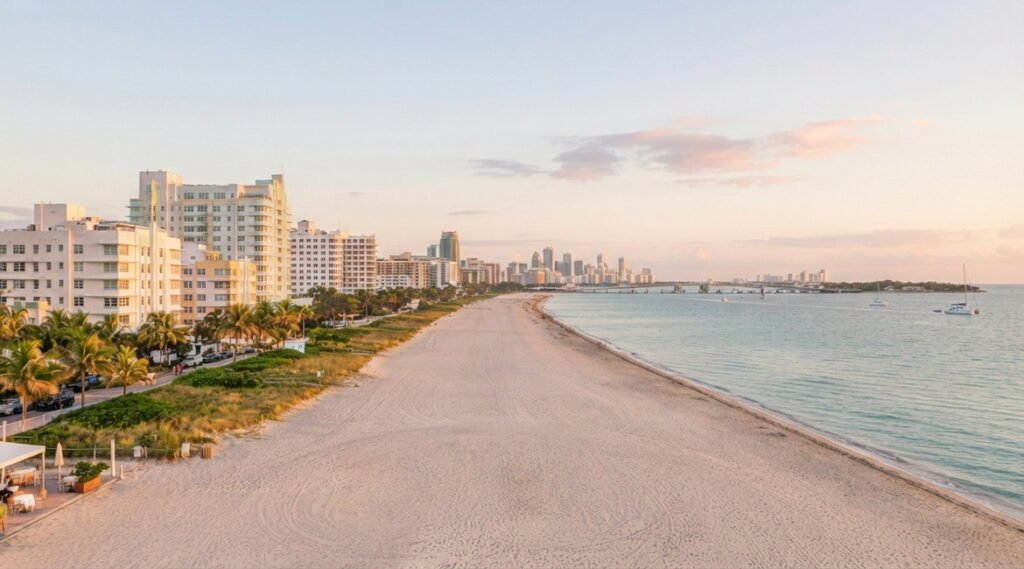
If you want fewer crowds without choosing the hottest part of summer, November can be an interesting option as South Florida transitions away from its wet season.
Miami Rainy Season
South Florida has a clearly defined wet season. The National Weather Service generally defines it as approximately May 15 through October 15. Around 60–70% of South Florida’s annual rainfall typically occurs during this period. That sounds worse for travelers than it necessarily is. A wet-season Miami day does not automatically mean continuous rain from breakfast until dinner. Summer weather often develops around heat, humidity and sea-breeze interactions. A day may start bright and sunny before showers or thunderstorms develop later.
The wet season can roughly be thought of in three parts: Mid-May to early July: active thunderstorms become common. July to mid-August: very hot conditions with intermittent drier periods. Late August to mid-October: rainfall becomes more variable, with tropical systems potentially influencing conditions. If traveling during this period, schedule important outdoor activities earlier in the day when practical and maintain some flexibility.
Hurricane Season in Miami
The Atlantic hurricane season officially runs from June 1 through November 30. That does not mean Miami experiences a hurricane every summer. It means tropical storm and hurricane risk is part of travel planning during this period. Historically, Atlantic activity tends to become more significant later in summer and early fall, although storms can occur anywhere within the official season. A seasonal hurricane forecast also cannot tell you whether Miami will be affected on your specific travel dates.
If traveling during hurricane season:
- Keep an eye on forecasts as your trip approaches
- Understand hotel and airline cancellation policies
- Consider flexible bookings
- Do not assume a seasonal forecast predicts your particular trip
For travelers who want to minimize this uncertainty as much as practical, winter and early spring are better choices.
Miami in Winter: December to February
Winter is Miami’s classic high season. Travelers arrive from colder climates to find sunshine, palms and beach weather.
December
December begins the heart of winter demand. Days are generally warm and more comfortable than summer. The month also has a major cultural draw. In 2026, Art Basel Miami Beach is scheduled for December 4–6, which makes early December particularly active around Miami Beach. Expect strong demand around major event dates.
January
January is one of Miami’s most comfortable sightseeing months. The official Miami tourism guide describes average temperatures around the mid-60s to mid-70s Fahrenheit and relatively low humidity. Occasional cooler periods remain possible.
February
February is one of the strongest weather months and one of the busiest. Miami’s tourism organization describes February as its most popular month. Expect excellent conditions but potentially higher hotel and airfare prices. Winter verdict: best weather, higher demand.
Miami in Spring: March to May
Spring contains our favorite overall Miami travel window.
March
March is warm without midsummer conditions. Miami’s official tourism guide notes relatively few rainy days and daytime highs generally in the upper 70s. The drawback is spring-break demand and major events.
April
April is our favorite all-around month for many first-time visitors. It sits between the busy winter season and the wetter summer pattern. The weather is warm, beaches are appealing and the destination remains active.
May
May is a transition month. Temperatures rise and the South Florida wet season typically begins around the middle of the month. The upside can be better travel value compared with peak winter. Spring verdict: March–April offers the best overall balance.
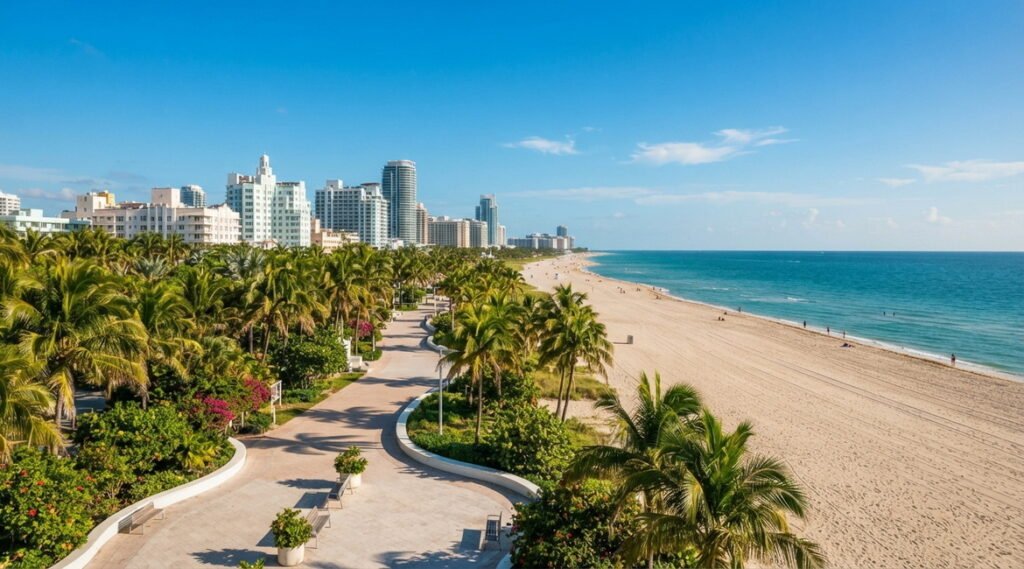
Miami in Summer: June to August
Miami summers are hot, humid and wet. That does not make them impossible. It makes planning differently important. National Weather Service climate normals put Miami’s typical summer daytime highs around the upper 80s to around 90°F, and humidity can make the heat feel more intense. Recent individual summers can run hotter than those long-term averages.
June
June is firmly inside the wet season. Expect heat, humidity and regular opportunities for thunderstorms.
July
July is very hot. Beach time works best when you plan around sun exposure and afternoon weather rather than expecting to stay outside continuously.
August
August remains hot and humid while tropical-weather awareness becomes increasingly important.
Summer advantages include warm water, a tropical atmosphere and the possibility of better hotel value. Summer verdict: good for value-focused travelers who tolerate heat and changing weather.
Miami in Fall: September to November
Fall changes significantly from beginning to end.
September
September remains hot, humid and wet. It also falls during the active portion of Atlantic hurricane season. The benefit is generally lower demand than winter. This works best for flexible travelers.
October
October begins with many of the same characteristics. Around mid-month, South Florida normally starts transitioning out of its wet season. The second half of the month can therefore become increasingly appealing.
November
November is one of the most underrated periods for Miami. Humidity generally becomes more comfortable, rainfall patterns improve and temperatures remain warm. Hurricane season officially continues through November 30, but November is moving toward Miami’s preferred winter weather pattern. Fall verdict: November is the strongest choice.
Miami Month by Month
| Month | Overall | What to Expect |
|---|---|---|
| January | Excellent | Comfortable, relatively dry, popular |
| February | Excellent | Excellent weather, peak demand |
| March | Excellent | Warm, lively, spring-break demand |
| April | Excellent | Warm, strong weather balance |
| May | Very Good | Hotter, wet season begins |
| June | Good | Hot, humid, frequent showers |
| July | Good | Very hot, tropical weather |
| August | Good | Hot, humid, storm awareness |
| September | Fair | Hot, wet, tropical-weather risk |
| October | Good | Transition toward drier conditions |
| November | Very Good | Warm and increasingly comfortable |
| December | Excellent | Beautiful weather, higher demand |
If we had to choose just one month: April. It provides one of the strongest combinations of warm weather, beach conditions and timing before South Florida’s wet season becomes established.
Best Time to Visit Miami With Kids
For families, we prefer February through April when possible. Comfortable weather makes long days easier. Families can combine:
- South Beach
- Miami Beach walks
- Zoo Miami
- Museums
- Key Biscayne
- Everglades day trips
without having to organize every activity around extreme afternoon heat.
Summer trips can still work with children. Schedule outdoor activities in the morning, include indoor options and avoid overloading the afternoon. The greatest mistake is trying to maintain a winter-style sightseeing schedule in midsummer heat.
Best Time for a Miami & Florida Keys Trip
If Miami is the beginning of a South Florida road trip, winter through early spring becomes even more attractive. A trip might combine: Miami → Everglades → Key Largo → Islamorada → Key West. December through April generally avoids the heart of South Florida’s wet season. February through April provides an especially attractive balance. The downside is demand. Winter is also popular throughout the Florida Keys, so accommodation can be expensive.
For lower prices, May may be worth considering before the core summer period, although heat and rain become increasingly important.
How Many Days Do You Need in Miami?
For a first visit, 3 days is a useful minimum. Four days is better if you want to slow down. A simple trip could look like: Day 1: South Beach + Art Deco District Day 2: Downtown/Brickell + another Miami neighborhood Day 3: Key Biscayne or additional beach time Day 4: Everglades or another South Florida day trip If Miami is mainly the beginning or end of a Florida road trip, two full days can provide a useful introduction. If you want a beach vacation rather than sightseeing, five days can easily work.
What to Pack for Miami by Season
Miami is warm enough that lightweight clothing works through much of the year. But your packing list should still change slightly by season.
Winter
Bring:
- Light summer clothing
- Beachwear
- Comfortable shoes
- Sun protection
- A light layer for cooler evenings
Spring
Pack mainly for warm weather. Add sun protection and a light rain layer, especially later in spring.
Summer & Early Fall
Prioritize:
- Lightweight breathable clothing
- Reusable water bottle
- Sun protection
- Umbrella or light rain jacket
- Comfortable footwear
- Light layer for strongly air-conditioned indoor spaces
Miami’s official tourism guidance specifically recommends preparing for both occasional rain and heavily air-conditioned interiors.
Common Miami Planning Mistakes
Assuming winter means cold weather. Miami winters are generally warm compared with most of the United States. Assuming summer rain means an entire day is ruined. Tropical showers can be intense but relatively brief. Ignoring humidity. The same temperature feels very different in February and August. Booking September only because the hotel is cheaper. Understand why rates may be lower and make sure the weather tradeoff works for you. Ignoring hurricane season. June through November requires greater flexibility. Thinking hurricane season means a hurricane will hit during your trip. It does not. Seasonal risk and a specific storm forecast are different things. Booking early December without checking major events. Major events can significantly change Miami Beach hotel demand. Scheduling outdoor sightseeing all afternoon in summer. Use mornings more effectively and keep indoor alternatives available. Choosing Miami only for South Beach. The destination includes far more than one beach neighborhood.
FAQ About the Best Time to Visit Miami
What is the best month to visit Miami?
April is our favorite all-around month for Miami. It is warm enough for the beach, generally less humid than summer and falls before South Florida’s wet season normally becomes established. February and March are also excellent choices.
When is Miami’s rainy season?
The National Weather Service defines South Florida’s wet season as approximately May 15 through October 15. Most annual rainfall occurs during this part of the year, with frequent warm-season showers and thunderstorms.
When is hurricane season in Miami?
Atlantic hurricane season officially runs from June 1 through November 30. This does not mean Miami experiences a hurricane every year or that a trip during these months will be affected, but travelers should monitor forecasts and understand their booking policies.
What is the cheapest month to visit Miami?
There is no single cheapest month every year because hotel and airfare prices change with demand and events. Summer and early fall frequently provide better accommodation value than peak winter, but travelers accept hotter, wetter weather and tropical-storm uncertainty in exchange.
Is summer a bad time to visit Miami?
No. Summer can work well for travelers comfortable with heat, humidity and regular thunderstorms. Beach mornings, indoor afternoon activities and flexible plans make summer trips much easier. It can also provide better hotel value than the winter peak.
Is December a good time to visit Miami?
Yes. December generally provides warm temperatures, lower humidity and relatively comfortable conditions. The tradeoff is demand: winter visitors, holiday travel and major events can push accommodation prices higher, particularly on popular dates.
Recommended Next Steps
If you are planning your first Miami vacation and your schedule is flexible, start with: February, March or April. For the best overall balance, choose: April. You get warm beach weather without intentionally placing your trip inside the heart of summer heat and humidity. If comfortable weather matters more than price: January–March. If lower prices matter more: Compare May through October. Just understand that you are trading some weather reliability for potential savings. If you dislike intense heat: Avoid June through September. If minimizing tropical-weather uncertainty is especially important: December through April is the simplest choice. For families, we prefer: February–April. For a Miami + Florida Keys road trip: February–April. For a quieter shoulder-season trip: November or May. And remember that Miami weather is not simply divided into “good” and “bad” months. A sunny September morning can be beautiful. A January cold front can produce a cooler day. And an afternoon thunderstorm in July does not necessarily ruin the morning or evening. The best time to visit Miami is therefore the period whose tradeoffs fit your trip. For most first-time visitors, that makes February through April the safest all-around recommendation.