
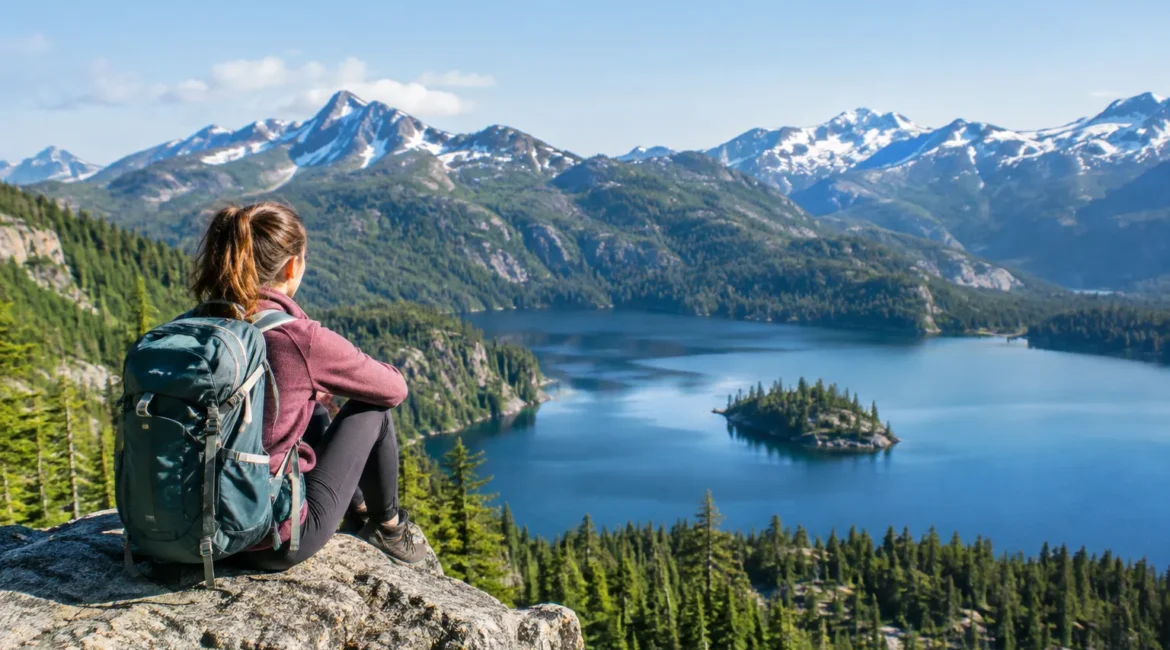
Choosing among the top national parks in the US is easier when you start with the trip you want: wildlife and geothermal features, dramatic views, strenuous hikes, or a mix of landscapes. The best fit also depends on the season, how much time you have, and how much driving you want to do.
In this guide, we compare several United States national parks by travel style, then cover practical planning questions to help you build a realistic shortlist. Think of these as strong candidates, not a universal ranking: a park that suits a weeklong hiking trip may be a poor match for a short, low-driving getaway.
Find the top national parks in the US for your trip style
A useful destination guide should help you picture more than a park’s headline view. Consider what you can do there, how long you can spend, and what conditions might affect your plans. These distinctions are especially helpful when deciding whether to visit one park in depth or combine several on a national park road trip.
For wildlife: Yellowstone
Yellowstone is a strong choice if wildlife watching is a priority and you also want to see geothermal features. The park is known for animals such as bison, elk, bears, and wolves, as well as geysers and hot springs. Wildlife is unpredictable, though: sightings are never guaranteed, and where you can go may vary with the season and current conditions.
A practical visit pairs wildlife viewing with time at geothermal areas, rather than trying to cover every corner of the park. Yellowstone is large, and drives between areas can take longer than a map suggests once you account for park roads, stops, and seasonal access. For a first visit, allow at least a few days if your schedule permits. That gives you more flexibility to explore separate areas and wait for safe wildlife-viewing opportunities without rushing.
For iconic scenery: Grand Canyon and Yosemite
The Grand Canyon and Yosemite offer very different kinds of dramatic scenery. At the Grand Canyon’s South Rim, broad viewpoints reveal the scale of the canyon, making it possible to appreciate the landscape without committing to a long hike. Walking below the rim is a different undertaking: trails descend steeply, and the return climb takes more effort than the descent.
Yosemite is better known for its granite cliffs, waterfalls, and concentrated valley scenery. The valley is a natural starting point for a shorter visit, but it can be busy, and the park extends well beyond it. Waterfall levels and road access change through the year, so a view that is prominent in one season may look different in another.
Choose the Grand Canyon if you want vast overlooks and the option to add a challenging descent. Choose Yosemite if you want a mix of valley walks, cliffs, and waterfall scenery, with the chance to explore beyond the central area if you have more time. Both reward a slower visit; trying to see every major viewpoint or trail in a single day can turn the trip into a sequence of car stops.
For hiking: Zion and Rocky Mountain
Zion suits hikers drawn to canyon landscapes and routes that follow or climb through narrow terrain. Trail difficulty ranges widely, but heat, exposure, water conditions, and elevation gain can make a route harder than its distance suggests. Check current trail status and conditions before setting out, and choose a hike based on the day’s weather and your group’s experience rather than its name alone.
Rocky Mountain National Park offers alpine routes and mountain views, with altitude adding another factor to the hiking plan. A trail that seems moderate at lower elevation may feel demanding at higher elevation, especially for visitors who have just arrived from near sea level. Build in time to adjust, carry suitable layers and water, and be willing to turn back if conditions or how you feel change.
For either park, plan one main hike per day instead of stacking several demanding routes into a tight schedule. Zion is a good shortlist choice for canyon hiking; Rocky Mountain is a better fit if alpine scenery and high-elevation trails are central to the trip.
For a varied first visit: Acadia and Olympic
Acadia is a compact-feeling introduction to coastal park scenery, with rocky shoreline, forested areas, and elevated viewpoints. It can work well for visitors who want to combine short walks, scenic drives, and time near the water. The coast is exposed to changing weather, so pack layers even if the forecast looks mild.
Olympic National Park offers a much broader mix: temperate rainforest, mountains, and Pacific shoreline. Those environments are spread across a large area, so visiting more than one takes planning and substantial driving. Don’t treat it as a single short loop; pick the areas that matter most to your trip and allow enough time to reach them.
Acadia is often easier to shape into a compact visit, while Olympic can offer more landscape variety if you have several days and are comfortable with longer drives. Both make good choices for a first park trip if you match the itinerary to the time available.
Compare seasons, access, and time needed
Conditions and access are part of the destination choice, not details to sort out after booking. High-elevation roads and trails may be affected by snow or seasonal closures; hot weather can make exposed desert hikes more demanding; and coastal weather can change quickly. Even within one park, conditions may differ between areas.
Use these broad planning ranges as a starting point, not a promise that every feature will be accessible:
| Park | Useful starting point | Planning consideration |
|---|---|---|
| Yellowstone | Three or more days | Large distances between areas; seasonal road access can affect the route |
| Grand Canyon | One to three days | Viewpoints are straightforward to plan; hiking below the rim takes more time and effort |
| Yosemite | Two or more days | Valley highlights can fill a day; other areas add driving time |
| Zion | Two or more days | Trail choice, heat, and current access shape each day |
| Rocky Mountain | Two or more days | Altitude, weather, and seasonal road conditions affect hiking plans |
| Acadia | Two or three days | A mix of coast, viewpoints, and walks works well at a measured pace |
| Olympic | Three or more days | The park’s distinct areas require travel time between them |
Before settling on dates, check official park updates for road status, trail closures, entry arrangements, and any transport or reservation requirements that apply to your visit. Then check the forecast close to departure. Build a backup plan for a closed road, bad weather, or a hike that no longer feels appropriate.
Trip length should include more than time inside the park. A two-day visit may mean one full day on the ground if arrival and departure each take most of a day. For longer drives, plan a rest stop or overnight along the way rather than assuming you can cover a big distance and still enjoy a full afternoon outdoors.
Turn your shortlist into a national park road trip
A national park road trip works best when the parks make sense together geographically and the driving days leave room to stop. Start with one anchor park, then consider nearby destinations only if the route and available days support them. Adding parks simply because they are famous can leave little time for walking, wildlife viewing, or exploring places between the main stops.
A practical planning sequence:
- Choose the experience you most want, such as wildlife, canyon hiking, coastal scenery, or alpine trails.
- Pick one main park and set aside enough days to experience it without rushing.
- Add another park only after checking the actual drive between your intended areas, not just the distance between park names on a map.
- Mark the day’s drive, likely breaks, and time outside the car. Keep some flexibility for weather, closures, and fatigue.
- Check current park information before finalizing reservations and daily plans.
Park distances can surprise first-time visitors. A park may cover a large area, and reaching a trailhead or viewpoint can take time after you pass the entrance. Look at the specific places you hope to visit, estimate the drive between them, and avoid scheduling an ambitious hike immediately after a long travel day.
For a first trip, a focused route is often more rewarding than trying to collect a long list of parks. For example, a Southwest itinerary could center on Zion and the Grand Canyon, with additional stops only if you have enough days to travel between them and explore. A longer western trip might include Yellowstone, but its scale makes it worth planning as a destination in its own right rather than a quick detour.
Choose the park that fits your next trip
Narrow your shortlist using three questions: What do you want to do most? Which season fits your schedule and preferred conditions? How many full days can you spend in the park after accounting for travel?
For wildlife and geothermal sights, consider Yellowstone. For expansive canyon viewpoints, consider the Grand Canyon. For cliffs and waterfalls, look at Yosemite; for canyon hikes, Zion; and for alpine routes, Rocky Mountain. Acadia offers a coastal mix in a more compact-feeling visit, while Olympic suits travelers who can give its distinct regions enough time.
A destination guide is most useful when it clarifies scope and helps turn a broad idea into workable days. Make a short list of the places you care about, check current access and seasonal conditions, and sketch one realistic day at each park before committing to a longer route.
If you are considering an active adventure beyond US destinations, Atlas Mountain Bike offers guided mountain biking and e-bike adventures in Morocco, including day rides and multi-day trips centered on Marrakech and the Atlas Mountains. It is a separate option for a Morocco trip, not a US national park activity.
National Park FAQs
What is considered the most beautiful national park in the USA?
There is no objective single choice, but Yosemite, Grand Canyon, Yellowstone, and Olympic are often shortlisted for very different landscapes. The best match depends on whether you prefer cliffs, canyon views, wildlife, or varied ecosystems.
What are the top 5 most visited national parks in the USA?
The five most visited parks vary by year, so check the latest National Park Service visitation figures for a current ranking. Great Smoky Mountains, Grand Canyon, Zion, Yellowstone, and Rocky Mountain are commonly among the heavily visited parks.
What is the #1 rated national park?
There is no official, universal number-one rating for national parks; rankings depend on the poll or criteria used. For trip planning, compare the experiences, access, and season that matter to you rather than relying on a single ranking.
What are the top 20 national parks in the USA?
There is no definitive top 20 because “top” depends on the traveler and the ranking method. Build a shortlist around what you want to do, then compare parks by season, access, scenery, and time needed.
What’s the worst rated national park?
There is no objective worst-rated national park, and ratings change across review platforms and over time. A park may be a poor fit for one itinerary but ideal for visitors seeking its particular landscape or activities.
What are the 7 Wonders of the USA?
There is no single official list called the Seven Wonders of the USA; different lists include different natural and built landmarks. Several national parks contain widely recognized natural sights, but the phrase is not a fixed park ranking.
Which national park is easiest to visit for a first-time visitor?
Acadia can suit a first visit if you want coastal scenery, short walks, and a compact-feeling itinerary. Ease still depends on your starting point, season, mobility needs, and how much driving you want to do.
How many days should you spend in a national park?
For many parks, two or three full days allow time for key sights and some outdoor activities; larger parks may need longer. Count travel days separately, especially when distances inside the park are substantial.
Recommended next steps
Pick one park that matches your main interest, then check its current access, seasonal conditions, and the time needed to reach the places you want to see. Sketch a day-by-day plan with realistic drives and time outside the car before adding another stop. A shorter route with room to explore is often a better trip than a packed itinerary across too many United States national parks.