
Las Vegas 3 Day Itinerary for First-Time Visitors 2026-2027: Complete Day-by-Day Guide + Budget Breakdown
📊 Key Facts
- Three days is enough time to experience Las Vegas highlights with proper planning
- First-time visitors should stay on the Strip for convenient access to major attractions
- Downtown Fremont Street is worth visiting but offers grittier energy than the Strip
- Las Vegas requires careful energy planning since the city operates 24/7
- Walking distance to casinos and restaurants reduces transportation costs for visitors
Let’s be honest upfront: Las Vegas is simultaneously one of the easiest cities to visit and one of the easiest to completely exhaust yourself in. The city never sleeps, which means you absolutely can — and should — plan your energy just as carefully as you plan your activities.
Is 3 days enough for a first-time visit? Yes, with the right plan. You won’t see everything (nobody does), but you will see the things that make Vegas, Vegas — and you’ll leave with a real feel for the city rather than a blur of casinos.
Here’s the realistic, day-by-day breakdown you actually need.
Before You Arrive: The Two Decisions That Shape Everything
Strip or Downtown — Where Should First-Timers Stay?
For a first visit, stay on the Strip. Full stop. Walking distance to the Bellagio, Caesars Palace, the Wynn, and dozens of restaurants means you’ll spend less time and money on transportation, and more time actually experiencing things.
Downtown (Fremont Street area) is worth visiting — and this itinerary includes it — but it’s a different, grittier energy. Great for a night out, not ideal as your home base on trip one.
For budget-friendly Strip hotel options that don’t sacrifice location, check out our Las Vegas Budget Traveler Guide: Affordable Hotels 2026-2027 for honest picks across price ranges.
Best Time to Visit
- Spring (March–May) and Fall (September–November): Best weather, manageable crowds. Ideal for first-timers.
- Summer (June–August): Brutally hot (105°F+ is common). Outdoor attractions like the Welcome Sign and Red Rock Canyon are best done early morning.
- Winter: Cooler and less crowded on weekdays. Holiday weekends get packed.
What to pack: Comfortable walking shoes are non-negotiable — you’ll walk 8–12 miles a day without realizing it. Layer up in winter; bring sun protection year-round. Dress codes at clubs and upscale restaurants are real, so pack at least one sharp outfit.
Day 1: The Strip in All Its Glory
Morning (9:00 AM – 12:00 PM)
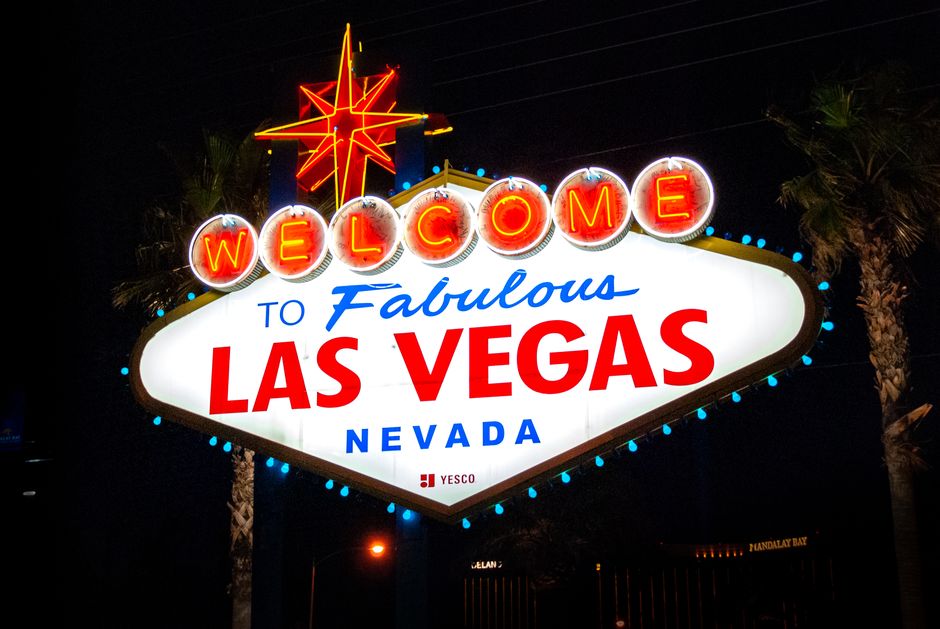
Start at the Welcome to Fabulous Las Vegas Sign — the iconic photo op at the south end of the Strip. Get there before 10 AM to avoid lines. There’s a small parking lot, or grab a rideshare. Pro tip: the sign is two-sided, so walk around for the reverse shot too.
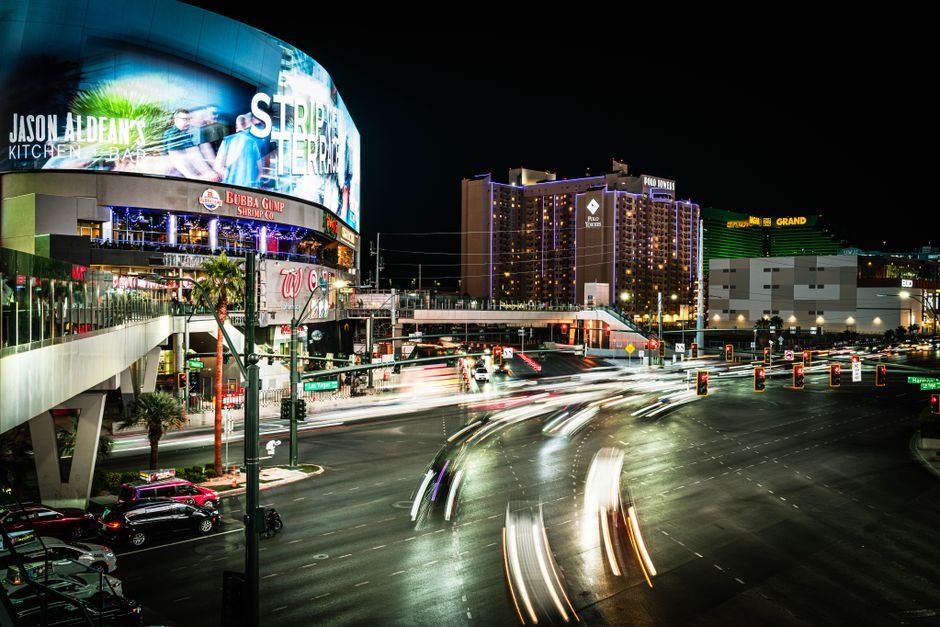
From there, work your way north along the Strip on foot. This stretch — from Mandalay Bay up through the MGM Grand, New York-New York, and Park MGM — takes about 45 minutes walking at a casual pace.
Photography tip: Morning light is golden on the Strip’s west-facing facades. By noon, it’s harsh and flat. Morning is your best window for exterior shots.
Afternoon (12:00 PM – 5:00 PM)
Lunch at The Cosmopolitan’s The Wicked Spoon or grab something more casual at the food hall options inside Aria. Budget $15–$35 per person depending on your choice.
After lunch, spend time exploring the interiors of a few major casinos — they’re free to walk through and genuinely stunning. Don’t miss:
- Bellagio: The conservatory (seasonal displays, free), the lobby ceiling by Dale Chihuly
- Caesars Palace: The Forum Shops, the Roman architecture
- The Venetian/Palazzo: The indoor canal and painted ceilings
This is also a good time to book your evening entertainment if you haven’t already. Cirque du Soleil shows (currently “O” at the Bellagio and “Mystère” at Treasure Island) are the most popular first-timer experiences — tickets run $90–$185+. Book in advance, especially for weekends.
Evening (5:00 PM – Late)
Bellagio Fountains at dusk — this is the move. Shows run every 15 minutes from 3 PM on weekdays and noon on weekends. The 8–9 PM window, when the Strip lights up and the sky goes from blue to black, is genuinely one of the best free experiences in the country. Position yourself on the sidewalk railing early.
Dinner options by budget:
- Budget ($20–$40/person): In-N-Out Burger (yes, it counts), Gordon Ramsay Fish & Chips at The Linq
- Mid-range ($50–$90/person): Lago by Julian Serrano at the Bellagio, Secret Pizza at the Mirage
- Splurge ($100+/person): Picasso at Bellagio, é by José Andrés
After dinner, walk the Strip at night. It sounds simple but it’s genuinely electric — this is what you came for.
Day 2: Fremont Street + A Day Trip Option
Morning (9:00 AM – 12:00 PM)
Sleep in a little. Seriously. Vegas nights run late, and pushing yourself through a 7 AM start on Day 2 is a classic first-timer mistake that leads to burnout by Day 3.
If you want to add a day trip, Red Rock Canyon is the best outdoor option — just 17 miles west of the Strip. The scenic drive opens at sunrise and the canyon is most comfortable before noon in warmer months. It’s free with an America the Beautiful pass or $15/vehicle. Alternatively, Hoover Dam and other desert attractions make a great half-day if you’re curious about the broader Nevada landscape.
If you’re skipping the day trip, use the morning for the Neon Museum (aka the Neon Boneyard). This is genuinely worth your time — it’s an outdoor collection of vintage Las Vegas signs dating back to the 1930s. Day tours run about $22–$28/person; the Night Tour ($38+) is more atmospheric but books up fast. Reserve ahead.
Afternoon (1:00 PM – 5:00 PM)
Head to Downtown Las Vegas / Fremont Street. It’s about 3.5 miles from the center of the Strip — take a rideshare ($8–$12 each way).
Fremont Street is where old Vegas lives. Walk the pedestrian mall, look up at the Fremont Street Experience LED canopy (shows run every hour after dark, but the canopy is impressive even during the day), and pop into the Golden Nugget or Binion’s for classic casino vibes.
The Container Park nearby is a cool outdoor shopping and dining spot with local vendors and a relaxed vibe — very different from the Strip.
Evening (6:00 PM – Late)
Stay Downtown for the Fremont Street Experience light show — it starts running full shows around 8 PM and runs until 1–2 AM. This is one of the best free shows in Vegas. The street performers, zip line overhead ($35–$45 to ride), and energy make it a very different night than the Strip. Both are worth experiencing, which is exactly why we split them across two nights.
Day 3: What You Missed + Departure Strategy
Morning (9:00 AM – 12:00 PM)
This is your flex day. Based on what you loved most in the first two days, go back. Vegas rewards revisiting.
If you haven’t done it yet:
- High Roller Observation Wheel ($27–$37 daytime, $37–$47 at night) — best views of the Strip
- Mob Museum in Downtown (about $30/person) — genuinely fascinating for history buffs
- Arts District on Charleston Boulevard — murals, coffee shops, and local galleries for a break from tourist zones
If you’re interested in planning around a specific group trip (like a bachelor party), our Las Vegas Bachelor Party 3-Day Itinerary 2026-2027 has a separate schedule tailored to that experience.
Afternoon: Departure or Last Hurrah
If you’re flying out in the evening, use the afternoon for last meals, shopping at the Forum Shops or Grand Canal Shoppes, or simply sitting by a pool (most Strip hotels allow guest access).
Flights from Las Vegas are easy — the airport (Harry Reid International) is literally minutes from the south end of the Strip.
Budget Breakdown: What Does 3 Days in Las Vegas Actually Cost?
Here’s an honest look at costs per person (based on 2026 pricing):
| Category | Budget Option | Mid-Range | Splurge |
|---|---|---|---|
| Hotel (3 nights) | $150–$300 | $350–$600 | $700–$1,500+ |
| Food & Drinks | $100–$150 | $200–$350 | $500+ |
| Entertainment | $0–$50 (free shows) | $100–$200 | $300–$500+ |
| Transportation | $30–$50 (rideshares) | $50–$80 | $100+ |
| Activities/Attractions | $50–$80 | $100–$150 | $200+ |
| Total (per person) | $330–$630 | $800–$1,380 | $1,800+ |
The honest truth: Vegas can absolutely be done on a budget. Free attractions (Bellagio Fountains, casino interiors, Fremont Street shows, the Welcome Sign) are genuinely world-class. The trap is alcohol — drinks at casinos add up fast. Budget drinkers should buy from a CVS or Walgreens near the Strip before heading out.
Getting Around Las Vegas: The Real Talk
Walking is underrated and free. The Strip between Mandalay Bay and the Wynn is about 4.5 miles — walkable but longer than it looks on a map.
Rideshare (Uber/Lyft) is the most practical option for Strip-to-Downtown trips. Budget $8–$15 each way.
Las Vegas Monorail runs along the east side of the Strip between MGM Grand and Sahara. Useful for specific hops ($5/ride), but it doesn’t reach Fremont Street and doesn’t serve the west side of the Strip.
Avoid renting a car unless you’re doing a day trip. Parking fees, traffic, and the walkability of the Strip make it more hassle than it’s worth for most first-timers.
First-Timer Mistakes to Avoid
- Underestimating walk times between casinos. The Bellagio and Caesars look close on a map — it’s a 15-minute walk.
- Skipping reservations. Popular restaurants and shows sell out, especially Friday and Saturday.
- Doing too much on Day 1. Pacing matters more in Vegas than almost anywhere else.
- Ignoring the heat. If you’re visiting in summer, carry water constantly and plan outdoor activities before 10 AM.
- Assuming you can add a Grand Canyon day trip. The South Rim is a 4.5-hour drive each way. If that’s on your list, plan it as its own thing — our Las Vegas to Grand Canyon Road Trip guide covers every realistic option.
Extending Your Trip or Combining With Other Destinations
If you have more time, Las Vegas connects beautifully with the rest of the American West. The California Nevada Road Trip Itinerary 2026-2027 is one of the classic American drives, and it starts (or ends) right here.
For other first-time US city guides in a similar format, check out our New York City 3 Day Itinerary Budget guide and the Best 5-Day New York Itinerary for another iconic American city breakdown.
Final Thoughts: Is 3 Days Enough?
Yes — but only if you commit to doing less better. Vegas’s biggest trap for first-timers is FOMO: trying to hit every casino, every show, every neighborhood, every pool party in 72 hours. That’s how you end up exhausted and vaguely disappointed.
The itinerary above is built around the principle that you should leave Las Vegas already thinking about when you’ll come back — not relieved it’s over. Stick to the core experiences, leave room to wander, and let the city surprise you. It will.
Last updated for 2026–2027 travel. Prices and hours subject to change — always verify directly with venues before booking.