
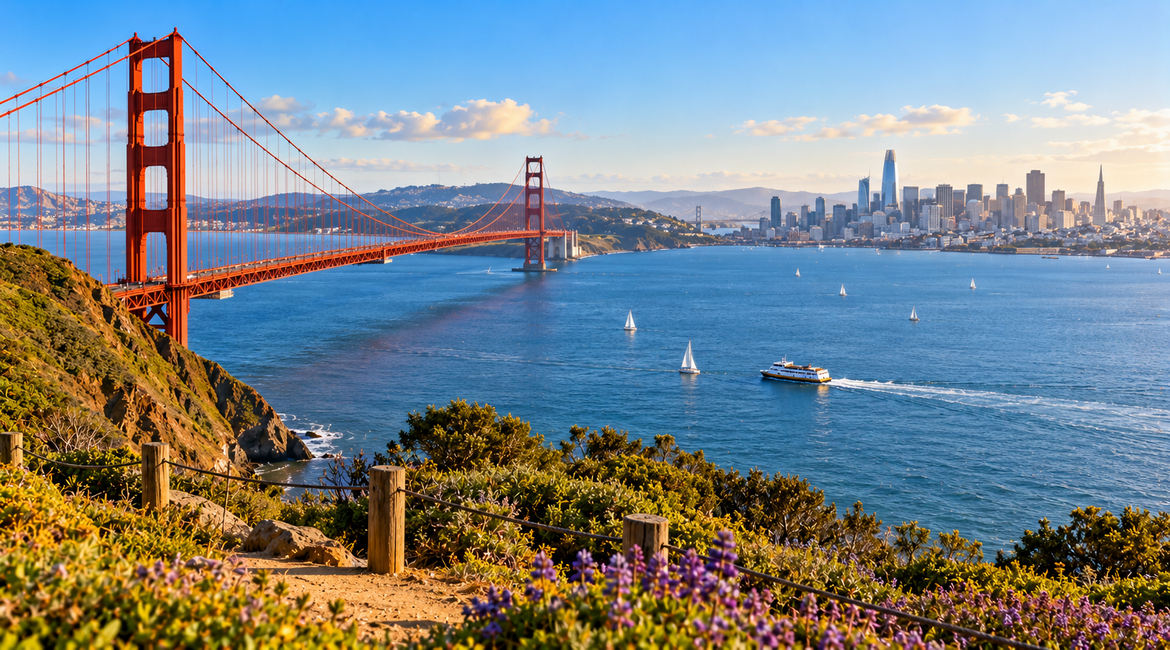
Three days in San Francisco gives you enough time to experience the city’s biggest icons without spending your entire vacation rushing between attractions. The key is geography. San Francisco may look compact on a map, but its famous hills, waterfront, parks and neighborhoods can make seemingly short distances feel much longer. Instead of crossing the city repeatedly, organize each day around one general area. This itinerary gives the first day to the Golden Gate Bridge and northern waterfront, the second to Alcatraz and the historic neighborhoods around downtown, and the third to San Francisco’s western side. You will ride a cable car, see the Golden Gate Bridge, visit Alcatraz, walk through Chinatown, photograph the Painted Ladies and finish beside the Pacific Ocean. It is a classic first-time San Francisco itinerary, but with enough free time to actually enjoy the city between landmarks.
3 Days in San Francisco at a Glance
| Day | Area | Highlights |
|---|---|---|
| Day 1 | Golden Gate & Waterfront | Golden Gate Bridge, Presidio, Fisherman’s Wharf, cable car |
| Day 2 | Bay & Historic Neighborhoods | Alcatraz, Embarcadero, Chinatown, North Beach |
| Day 3 | Central & Western San Francisco | Painted Ladies, Golden Gate Park, Pacific coast |
Day 1 — Golden Gate Bridge, Presidio & Fisherman’s Wharf
Start with the landmark that defines San Francisco. The Golden Gate Bridge connects San Francisco’s Presidio with Marin County across the Golden Gate strait. The bridge stretches approximately 1.7 miles, so crossing it completely on foot and returning can consume more of your morning than expected. For a three-day itinerary, you do not necessarily need to walk the entire span.
Morning — Golden Gate Bridge
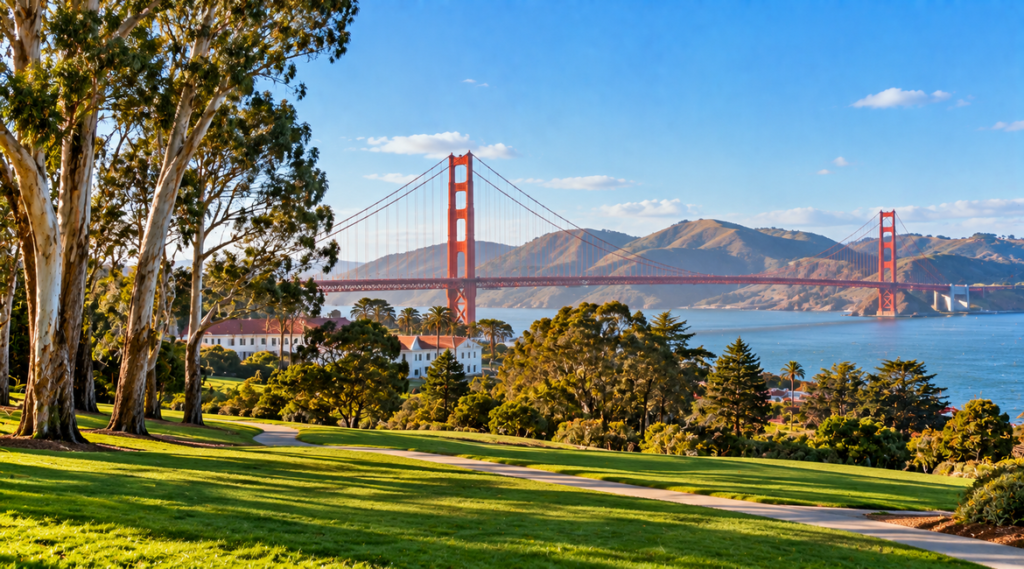
Try to reach the Golden Gate Bridge earlier in the day. San Francisco’s fog can completely change the appearance of the bridge from one hour to another, which is part of its appeal. Begin around the visitor area on the San Francisco side. Walk onto the bridge if conditions are comfortable, but remember that it can be noticeably colder and windier here than in neighborhoods farther inland. The pedestrian experience gives you views across the bay, toward the Pacific and back toward San Francisco. If photography is your priority, you may prefer spending more time exploring viewpoints rather than completing the entire crossing. The bridge opened in 1937 and remains San Francisco’s most recognizable landmark. Afterward, continue into the Presidio rather than immediately traveling across the city.
Late Morning — Explore the Presidio
The Presidio gives you a completely different perspective on San Francisco. Instead of dense streets and tall buildings, you get green spaces, historic surroundings and views toward the bay. This is a good place to slow the itinerary down. You do not need to visit every attraction inside the Presidio. Walk, enjoy the scenery and choose viewpoints based on the weather. If the Golden Gate Bridge was hidden by fog earlier, conditions may improve as the day progresses. From here, continue east toward the waterfront.
Afternoon — Fisherman’s Wharf & Pier 39
Fisherman’s Wharf is touristy. It is also one of the places many first-time visitors genuinely want to see. There is nothing wrong with that. Walk the waterfront, explore the piers and enjoy the views across San Francisco Bay. Pier 39 is particularly famous for its sea lions. Rather than building a strict schedule for this part of the afternoon, allow yourself time to wander. This area is also convenient for an early dinner or snack. If you want to see Lombard Street, this is a reasonable point in the itinerary to add it because you are already on the northern side of the city. Do not underestimate the hills between the waterfront and surrounding neighborhoods.
Evening — Ride a Cable Car
A cable car ride is one of those San Francisco experiences that is both transportation and attraction. The city’s cable cars are a historic symbol and remain part of the operating transit network. For first-time visitors, riding one at least once is worthwhile. You do not need to spend the entire day trying different routes. Use a cable car to connect part of your evening itinerary and enjoy the steep streets along the way. Check current fares and service before traveling, since San Francisco’s transit fares and payment options can change. Day 1 summary: Golden Gate Bridge → Presidio → Fisherman’s Wharf → cable car.
Day 2 — Alcatraz, Embarcadero, Chinatown & North Beach
Today begins with one attraction that should be planned before almost everything else. Alcatraz. Unlike a neighborhood or viewpoint, you cannot simply decide to visit whenever you happen to arrive. Tickets can sell out well ahead of time, especially during popular travel periods.
Morning — Visit Alcatraz Island
Book a morning departure if possible. Ferries leave from Pier 33 on San Francisco’s waterfront. The National Park Service currently lists departures beginning at 8:45 a.m., with ferries operating roughly every 30 to 40 minutes. Once on the island, give yourself enough time. Alcatraz is more than a quick photograph of the former prison. The island also offers historic structures, gardens and excellent views across San Francisco Bay. Because return ferries operate throughout the day, you generally have flexibility once you arrive. As of September 2026, Alcatraz is open 362 days per year and closes on Thanksgiving, Christmas Day and New Year’s Day. The National Park Service strongly recommends buying tickets in advance because popular dates can sell out weeks ahead. After returning to Pier 33, continue along the waterfront.
Afternoon — Walk the Embarcadero
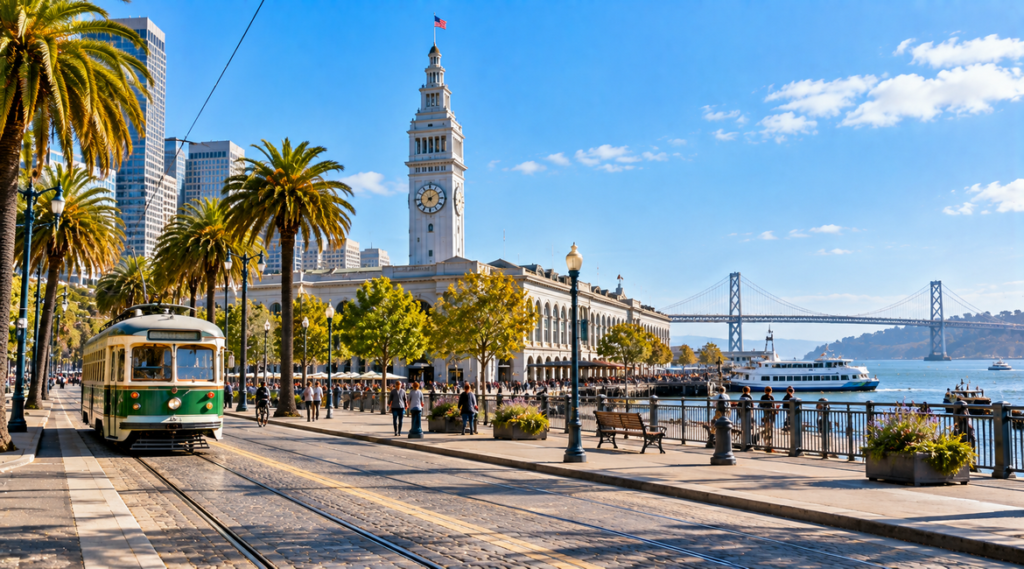
The Embarcadero follows San Francisco’s eastern waterfront and makes an easy transition from Alcatraz back into the city. Walk south at whatever pace feels comfortable. The Ferry Building is one of the area’s major landmarks and a convenient destination. This part of San Francisco feels different from the northern waterfront. The bay remains beside you, but downtown towers become increasingly prominent. Stop for food or coffee before heading inland. Your next destination is Chinatown.
Late Afternoon — Chinatown
San Francisco’s neighborhoods are one of the main reasons three days here can feel so varied. Chinatown is an essential example. Walk beyond the most photographed entrance and explore the smaller streets. Look at storefronts, architecture and everyday neighborhood life rather than treating Chinatown as a single landmark. This is also an excellent place to eat. Instead of rushing through in 20 minutes, leave enough time for a meal or snack. From Chinatown, continue north toward North Beach.
Evening — North Beach
North Beach provides an easy ending to Day 2. Historically associated with San Francisco’s Italian-American community and literary culture, the neighborhood has restaurants, cafés and streets that reward wandering. Coit Tower rises nearby and provides another recognizable element of the San Francisco skyline. If you still have energy, explore the surrounding streets before dinner. If you are tired after Alcatraz and a full afternoon of walking, simply have dinner and stop. There is no prize for squeezing another five attractions into the evening. Day 2 summary: Alcatraz → Embarcadero → Chinatown → North Beach.
Day 3 — Painted Ladies, Golden Gate Park & Ocean Views
Your final day moves away from the northeastern waterfront. Today combines one of San Francisco’s most recognizable residential scenes with the enormous green space of Golden Gate Park and the city’s Pacific side.
Morning — Painted Ladies & Alamo Square
Start around Alamo Square. The row of colorful Victorian houses known as the Painted Ladies has become one of San Francisco’s most photographed scenes. The houses themselves are only part of the composition. From the park, the historic architecture sits against the modern downtown skyline. You do not need hours here. Walk around Alamo Square, enjoy the view and continue toward Golden Gate Park. If you want to explore more residential neighborhoods, you can spend additional time in the surrounding streets.
Late Morning — Golden Gate Park
Golden Gate Park is large enough to become a destination by itself. Do not approach it as though you can quickly walk through the entire park. Instead, decide what interests you. You could spend time exploring gardens and outdoor spaces or choose one major museum or attraction. This is particularly useful on a three-day trip because the park allows you to adjust the schedule based on weather. If the morning is beautiful, spend more time outside. If San Francisco gives you a cold or foggy day, shift more time toward an indoor attraction.
Afternoon — Choose Your Golden Gate Park Experience
Do not try to visit every museum. Pick one. Families may prefer the California Academy of Sciences. Art lovers can consider the de Young Museum. Travelers who mainly want an outdoor day can skip both and spend more time exploring the park. The Japanese Tea Garden and San Francisco Botanical Garden provide additional options depending on your interests and available time. Your goal is not to complete Golden Gate Park. It is to enjoy one part of it properly. Later in the afternoon, continue west. Eventually the city runs into the Pacific Ocean.
Evening — Finish at the Pacific
Ocean Beach stretches along San Francisco’s western edge. It feels dramatically different from the protected waters of San Francisco Bay. Here you face the open Pacific. The broad beach makes a memorable place to finish a three-day trip, particularly when the evening weather cooperates. Do not assume you will get a perfect orange sunset. Fog is part of San Francisco. Sometimes the coast will be clear; other evenings can become gray and atmospheric. Either version can be beautiful. Walk along the shoreline, enjoy the final ocean views and then head back toward your hotel for dinner. Day 3 summary: Painted Ladies → Alamo Square → Golden Gate Park → Pacific coast.
Where to Stay in San Francisco
For a three-day trip, location matters. You will save considerable time by staying somewhere with useful transit connections. Union Square is convenient for first-time visitors who want a central base with transit, shopping and easy access to several neighborhoods. Fisherman’s Wharf puts you close to the northern waterfront, Pier 39 and Alcatraz departure area. Embarcadero works well if you prefer the waterfront and convenient transit connections. North Beach provides more neighborhood character while keeping you relatively close to many famous sights. For this itinerary, there is no need to choose your hotel based on having a car. Public transportation and walking are generally more useful.
Do You Need a Car?
For these three days, probably not. San Francisco is one of the easier major American cities to explore using a combination of public transportation, walking and occasional rideshare trips. A rental car can actually create additional problems. Parking can be expensive and limited, while many of the attractions in this itinerary are already connected by transit. Muni operates buses, light rail, historic streetcars and cable cars across the city. As of September 2026, adult single rides can be paid using Clipper or by tapping a compatible contactless debit or credit card on a fare reader. Visitor Passports remain another option for travelers expecting to use Muni frequently. If San Francisco is only the beginning of a longer California road trip, consider picking up your rental car when you are ready to leave the city rather than keeping it during these three days.
Best Time to Visit San Francisco
San Francisco does not follow the simple summer-equals-hot-weather pattern many first-time visitors expect. Summer can be surprisingly cool and foggy. September and October often bring some of the city’s more pleasant weather, which can make early fall particularly attractive for sightseeing. Spring can also be a good time for exploring. Winter brings a greater chance of rain but generally fewer peak-season crowds. Whatever month you choose, prepare for changing conditions within the same day. It can feel comfortable and sunny in one neighborhood while the Golden Gate Bridge is windy and wrapped in fog. Layers are more useful than dressing only for the temperature shown in a general forecast.
What to Pack
For three days in San Francisco, useful items include:
- Comfortable walking shoes
- Light jacket
- Warm extra layer
- Small day bag
- Reusable water bottle
- Sun protection
- Portable phone charger
- Compact rain protection when rain is forecast
Comfortable shoes are particularly important. The city’s hills turn ordinary sightseeing into more exercise than many travelers expect. Even when your map shows that two places are close together, check the elevation and transit options before automatically walking.
Tips for Planning Your 3 Days
Book Alcatraz before building the rest of your schedule. The National Park Service strongly recommends advance reservations, and tickets can sell out weeks ahead during summer and holiday periods. Once you know your Alcatraz departure time, organize Day 2 around it. Do not rent a car simply because you normally use one on vacation. San Francisco’s public transportation is much better suited to this itinerary. Expect hills. Allow more time than a flat map suggests. Keep your itinerary flexible around fog. If the Golden Gate Bridge is completely hidden when you first arrive, consider returning to another viewpoint later rather than waiting indefinitely. Finally, resist the temptation to turn three days into a race. San Francisco is interesting because of what happens between its landmarks: steep streets, Victorian houses, neighborhood cafés, bay views and unexpected glimpses of the skyline.
FAQ About 3 Days in San Francisco
Are 3 days enough for San Francisco?
Yes. Three days are enough for a strong first visit if you organize attractions geographically. You can see the Golden Gate Bridge and northern waterfront, visit Alcatraz and Chinatown, and still devote a full day to the Painted Ladies, Golden Gate Park and the Pacific side of the city.
What should first-time visitors not miss?
The Golden Gate Bridge, a cable car ride, Alcatraz, the waterfront and at least one of San Francisco’s distinctive neighborhoods should be priorities. Golden Gate Park and the Painted Ladies add another side of the city if you have three full days.
Is Alcatraz worth visiting?
For most first-time visitors, yes. The ferry ride, island history and views across San Francisco Bay make Alcatraz more than a single historic building. Allow several hours for the complete experience and reserve tickets ahead of time.
Can you explore San Francisco without a car?
Yes. For a first-time three-day itinerary, a car is usually unnecessary. Muni, cable cars, historic streetcars, walking and occasional rideshare trips can cover the major areas while avoiding the cost and inconvenience of parking.
How much walking should you expect?
Expect substantial walking even when using public transportation. San Francisco’s hills can make short distances more demanding, so comfortable shoes and a flexible pace are important. Use transit for steep or inconvenient sections rather than trying to walk everywhere.
Where should you stay for a first visit?
Union Square, the Embarcadero and Fisherman’s Wharf are convenient areas for a short first trip because they provide access to transit and major attractions. North Beach can be a good alternative for travelers who prefer a stronger neighborhood atmosphere.
Recommended Next Steps
For your first three days in San Francisco, keep the route simple: Day 1: Golden Gate Bridge → Presidio → Fisherman’s Wharf → Cable Car Day 2: Alcatraz → Embarcadero → Chinatown → North Beach Day 3: Painted Ladies → Golden Gate Park → Pacific Coast Book Alcatraz first. Then build the rest of the trip around that reservation. If weather changes, move outdoor viewpoints between days rather than forcing the original schedule. And if you discover a neighborhood you love, stay longer. Missing one minor attraction is better than spending your entire San Francisco trip checking the time. Three days will not show you every corner of the city. But they are enough to experience its famous bridge, bay, historic transportation, waterfront, parks, neighborhoods and Pacific coastline — and to understand why San Francisco feels unlike almost anywhere else in California.