
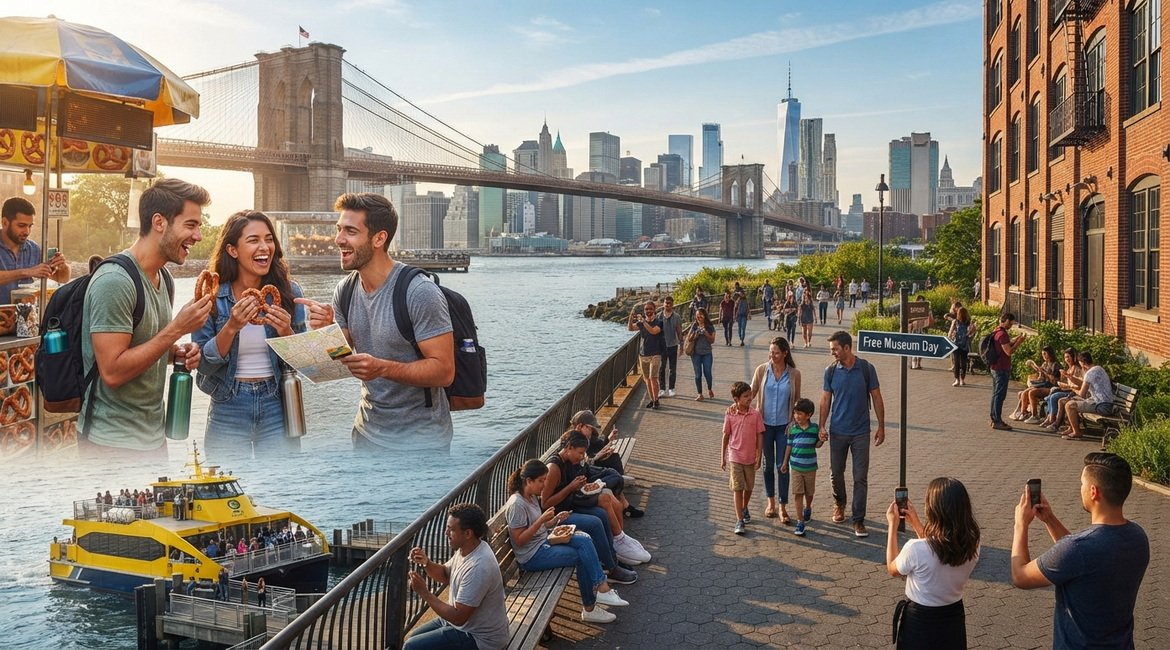
New York City has a reputation for being expensive, and there is some truth behind it. Accommodation can take a large part of your travel budget, famous observation decks charge admission, restaurant bills add up quickly, and it is surprisingly easy to spend money simply because an attraction appears on every first-time visitor checklist. But an expensive trip is not the only way to experience New York. Many of the city’s defining experiences are free. You can walk through Central Park, cross Brooklyn Bridge, explore Greenwich Village, see the Manhattan skyline from Brooklyn, visit the High Line and ride the Staten Island Ferry without buying an expensive sightseeing ticket. Public transportation also makes renting a car unnecessary for most visitors. The biggest opportunity to save money is therefore not finding one secret discount. It is planning the entire trip differently. Spend strategically on the experiences that matter most, use New York’s free attractions extensively, choose accommodation carefully and avoid paying for convenience when an inexpensive alternative works just as well.
Can You Visit New York City on a Budget?
Yes, although New York is rarely a genuinely cheap destination. The most difficult expense to reduce is usually accommodation. Once your hotel is covered, however, you have much more control over daily spending. Transportation can remain relatively inexpensive because you do not need a rental car. Walking costs nothing, and the subway connects most areas first-time visitors want to explore. Sightseeing can also be surprisingly affordable when you mix paid attractions with free experiences. A traveler who purchases tickets for multiple observation decks, several museums, tours and entertainment every day will naturally spend much more than someone who chooses one or two priority paid experiences and builds the rest of the itinerary around the city itself. That second approach can still provide an excellent first visit.
NYC Budget at a Glance
| Expense | Budget Strategy |
|---|---|
| Accommodation | Compare neighborhoods and total stay price |
| Transportation | Subway, buses and walking |
| Food | Mix inexpensive meals with selected restaurants |
| Attractions | Choose a few priorities instead of buying everything |
| Parks & Neighborhoods | Many excellent experiences are free |
| Skyline Views | Combine one paid viewpoint with free waterfront views |
Your accommodation dates will usually have a greater effect on the total trip cost than saving a few dollars on an individual attraction. Start with the large expenses before worrying about every small purchase.
Save Money on Accommodation
Hotel costs can vary dramatically according to season, neighborhood, day of the week and events taking place in the city. Do not begin by assuming that you need to stay beside Times Square. A hotel several subway stops away may offer better value while still providing easy access to Midtown. Compare the total price of the stay rather than focusing only on the advertised nightly rate. Taxes and property-specific charges can change the final amount considerably. Room configuration matters as well. For a family, one room that comfortably accommodates everyone may cost less than booking multiple smaller rooms at an apparently cheaper hotel.
Location still matters. Saving money on a hotel becomes less useful if you spend large amounts of time and money traveling back and forth every day. Look for a balance between accommodation cost and useful transportation.
Where to Stay on a Budget
There is no single New York neighborhood that is always cheapest. Hotel prices change too much by date for that rule to work. Instead, expand your search beyond Times Square and the most expensive parts of Midtown. Long Island City in Queens can be worth comparing because some areas provide quick subway connections into Manhattan. Lower Manhattan can occasionally offer competitive rates on particular dates, especially when business-oriented hotels have different weekend demand. Chelsea, Midtown East and other Manhattan areas should also remain in your search if you find a good rate. Do not choose a distant hotel purely to reduce the nightly price. Check the walking distance to the nearest useful subway station and calculate how much additional travel the location creates. A slightly more expensive hotel in a convenient location can sometimes provide better overall value.
Use the Subway Instead of a Rental Car
Most tourists do not need a car in New York City. As of 2026, the base subway and local bus fare is $3. OMNY is New York’s tap-and-go fare payment system, making it straightforward for visitors to use public transportation with an accepted contactless payment method or OMNY card.
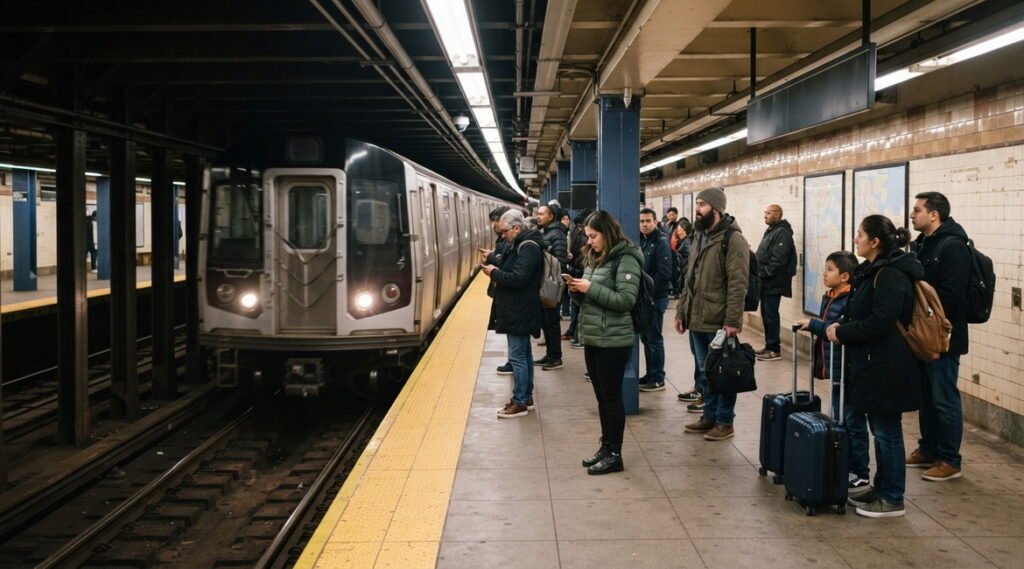
For travelers making frequent subway and local bus journeys, OMNY’s fare-capping system can also limit what you pay for eligible rides within the applicable period. Use the same payment method consistently when you want your eligible rides counted together. Compared with renting a vehicle, public transportation avoids rental fees, parking, fuel and the complications of driving in Manhattan. Taxis are useful occasionally, but relying on them for every journey can quickly increase your daily spending.
Walk When Attractions Are Close Together
New York rewards visitors who organize sightseeing geographically. Instead of repeatedly crossing Manhattan, spend each part of the day exploring one area. Midtown attractions can be combined on foot. Central Park and nearby museums naturally belong together. The High Line, Chelsea and Greenwich Village can form another walking day. Lower Manhattan and Brooklyn Bridge work well as a separate cluster.
Walking saves transportation money, but that is not its main advantage. You also discover streets, architecture, parks and neighborhoods that you would miss underground. Just avoid turning budget travel into an endurance challenge. Use the subway when two areas are genuinely far apart.
Free Things to Do in NYC
New York has enough free experiences to fill several sightseeing days. Central Park can easily occupy a few hours without an admission fee. Walk through Bethesda Terrace, the Mall and the lake areas or simply choose a smaller section and explore slowly. Brooklyn Bridge is another classic free experience. Cross from Lower Manhattan toward Brooklyn and continue into DUMBO and Brooklyn Bridge Park for skyline views.
The High Line provides a free elevated walk through the West Side. Bryant Park, Greenwich Village, SoHo and the Brooklyn Heights Promenade can all become part of free neighborhood-focused days. Times Square costs nothing to see, although spending money there is extremely easy. A budget itinerary should use free attractions as major parts of the trip rather than treating them as filler between paid attractions.
Ride the Staten Island Ferry
The Staten Island Ferry is one of the most useful free experiences for budget travelers. It operates between Whitehall Terminal in Lower Manhattan and St. George Terminal on Staten Island. The ride is free, and the crossing takes approximately 25 minutes each way.
The ferry provides harbor views and views toward the Statue of Liberty without purchasing a sightseeing cruise. It does not take you onto Liberty Island and should not be considered a replacement if visiting the Statue of Liberty itself is one of your priorities. But if your main goal is experiencing New York Harbor and seeing the statue from the water, the ferry provides excellent value. Combine it with a Lower Manhattan sightseeing day so you are not making a separate trip solely for the ferry.
Save Money on Museums
Do not assume every New York museum requires paying the standard admission price at all times. Some cultural institutions offer free admission periods, free days or suggested-admission arrangements for eligible visitors. The details differ substantially between institutions. Residency requirements may apply to certain programs, while others are available more broadly.
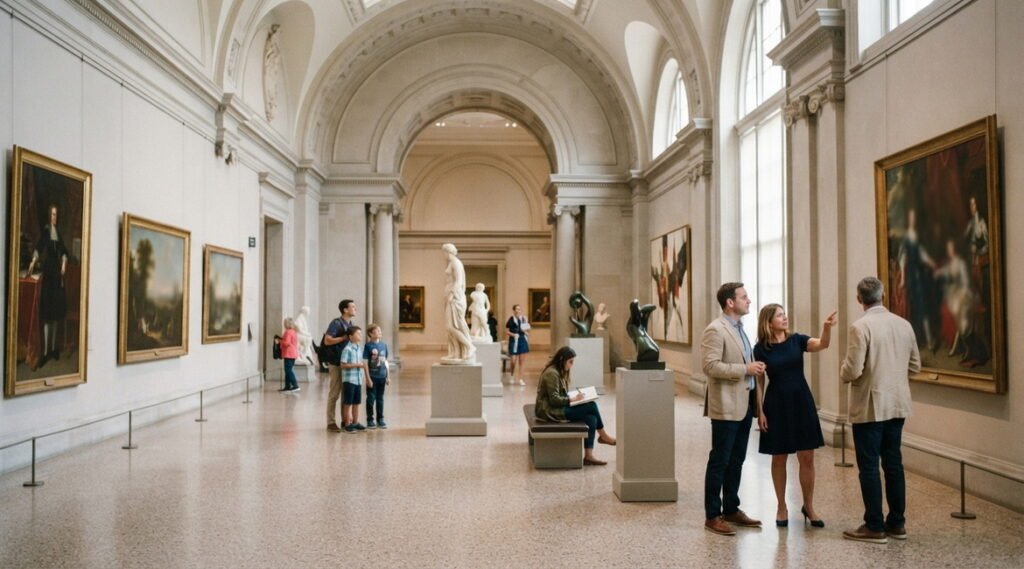
Because policies can change, check the current admission rules for the specific museum you want to visit rather than relying on an old list of “free museums in NYC.” Another way to save is simply to choose museums selectively. If you have four days in New York, you do not need to visit four major museums unless museums are one of your primary interests. Choose the institution that fits you best and spend enough time there to make the ticket worthwhile.
Choose Paid Attractions Carefully
New York makes it easy to buy tickets continuously. Observation decks, museums, tours, cruises and other attractions can quickly turn sightseeing into the largest expense after accommodation. Before booking, divide attractions into three groups: essential, interesting and optional. Pay for the experiences that genuinely matter to you. If seeing Manhattan from above is important, choose one observation deck rather than automatically visiting several. If you want to visit Liberty Island, spend money on that experience rather than also paying for another harbor sightseeing cruise covering similar views. A budget trip becomes much easier when each paid attraction adds something genuinely different.
How to Eat in NYC on a Budget
You do not need a sit-down restaurant for every meal. Breakfast is one of the easiest places to reduce daily spending. A simple bakery, bagel shop or grocery breakfast can cost considerably less than a full restaurant meal. At lunch, look beyond restaurants directly beside major tourist attractions. Walking several blocks into a more residential or office-oriented area can provide more options. Pizza by the slice, delis, food halls and casual counter-service restaurants can all fit naturally into a sightseeing day.
Grocery stores can also be useful for drinks, snacks, fruit and simple breakfast items. That does not mean avoiding New York restaurants entirely. A better strategy is choosing one meal each day where the experience matters and keeping the others simple. This allows you to enjoy the city’s food scene without turning every meal into a major expense.
Avoid Paying for Every View
Manhattan has several famous paid observation decks, but excellent skyline views are also available for free. Brooklyn Bridge Park provides views across the East River toward Lower Manhattan. Brooklyn Heights Promenade offers another perspective. The Staten Island Ferry provides harbor views, while parts of the New Jersey waterfront can provide broad Manhattan panoramas.
The best budget strategy is not necessarily avoiding observation decks completely. Choose one if seeing New York from high above is important to you. Then use free locations for your other skyline experiences. That creates more variety while reducing duplicate spending.
Plan Sightseeing by Neighborhood
Poor geographic planning wastes both time and money. Imagine visiting Central Park in the morning, Lower Manhattan after lunch and returning to Midtown before heading back Downtown for dinner. The individual subway rides may not seem expensive, but the larger problem is the amount of vacation time spent moving between neighborhoods. Instead, divide the city into clusters.
| Area | Combine |
|---|---|
| Midtown | Bryant Park, Grand Central, Fifth Avenue, Rockefeller Center, Times Square |
| Central Park | Park + one nearby museum |
| West Side | High Line, Chelsea, Greenwich Village |
| Lower Manhattan | Financial District, The Battery, 9/11 Memorial area, ferry |
| Brooklyn | Brooklyn Bridge, DUMBO, Brooklyn Bridge Park, Brooklyn Heights |
This structure also makes it easier to walk between attractions instead of paying for unnecessary transportation.
NYC on a Budget With Kids
A family trip can become expensive quickly because almost every admission price is multiplied by several travelers. Free attractions therefore become even more valuable. Central Park can occupy a substantial part of a family day. Playgrounds provide natural breaks between sightseeing, and simply exploring the park does not require purchasing an attraction ticket. Brooklyn Bridge Park and other waterfront spaces can serve a similar purpose.
Avoid buying tickets for an attraction simply because it appears on a list of things families “must” do. Choose experiences based on your children’s actual interests. Accommodation is another important area. Compare room occupancy and bed configurations carefully because a cheaper nightly rate may not help if the room cannot comfortably accommodate your family. Pack water and simple snacks for longer sightseeing periods, while following the rules of individual attractions about outside food and drinks.
When to Visit for Better Value
Your travel dates can have an enormous effect on hotel prices. New York accommodation rates respond to demand, holidays, events and seasonality, so there is no single month that is always cheapest. Instead of searching for a universal “budget month,” compare several sets of dates when your schedule allows. Moving a trip by even a few days can sometimes change accommodation prices. Winter outside the major holiday period may produce attractive hotel opportunities on some dates, although you trade lower demand for colder weather. Late fall and early spring can also vary considerably. December around the holiday season is a different situation because seasonal demand can be strong. If budget is the priority, search accommodation before purchasing flights whenever your travel plans allow that flexibility.
Are NYC Attraction Passes Worth It?
Sometimes, but only when the included attractions match what you were already planning to visit. Do not buy a sightseeing pass first and then design your vacation around getting enough value from it. Create your itinerary first. List the paid attractions you genuinely want to visit and check their current individual prices. Then compare that total with the current pass price and rules. Pay attention to reservation requirements and whether the pass encourages you to fit too many attractions into a short period. A pass that saves money mathematically can still reduce the quality of your trip if you spend the entire day rushing from one included attraction to another. For a budget-focused visitor using many free attractions, buying individual tickets for only two or three paid experiences can sometimes be simpler.
Example Budget-Friendly Day in NYC
A low-cost sightseeing day does not need to feel like a compromise. Start in Lower Manhattan and walk through The Battery and the Financial District. Continue through the outdoor 9/11 Memorial area before making your way toward Brooklyn Bridge. Walk across the bridge into DUMBO.
Spend the afternoon around Brooklyn Bridge Park and Brooklyn Heights, enjoying the waterfront and skyline. Choose an inexpensive casual lunch along the way. Return by subway when you are ready. Your primary costs for the sightseeing portion of this day can be transportation and food. On another day, you could build a similarly inexpensive itinerary around Central Park, Fifth Avenue, Bryant Park and Times Square. Then use the money you saved for one experience that would genuinely improve the trip.
Common Budget Mistakes
The biggest mistake is focusing on small savings while ignoring large expenses. Saving a few dollars at lunch matters much less than overpaying significantly for five hotel nights. Another mistake is choosing the cheapest accommodation without considering transportation. A poor location can make every day less convenient. Do not buy every attraction in advance simply because you are worried about missing something. Prioritize the experiences that matter most. Avoid purchasing several expensive experiences that provide essentially the same view or activity. Do not assume a rental car will save money. For most first-time New York itineraries, it introduces expenses that public transportation avoids. Finally, do not make your budget so strict that the trip becomes frustrating. Saving money is useful because it lets you spend on the experiences you value most. It should not become the main activity of the vacation.
FAQ
Is New York City expensive to visit?
New York can be expensive, particularly for accommodation and paid attractions. However, transportation can remain relatively affordable and many major experiences, including Central Park, Brooklyn Bridge and neighborhood exploration, are free.
Can you visit NYC without spending much on attractions?
Yes. Central Park, Brooklyn Bridge, the High Line, Bryant Park, many neighborhoods, waterfront viewpoints and the Staten Island Ferry can all be experienced without purchasing expensive attraction tickets. You can then choose only a few paid attractions that are important to you.
What is the cheapest way to get around NYC?
For most tourists, combining walking with the subway and local buses is the most practical low-cost strategy. As of 2026, the base subway and local bus fare is $3, and eligible OMNY rides can count toward the system’s fare cap.
Where should budget travelers stay in NYC?
Do not limit your search to Times Square. Compare Midtown East, Chelsea, Lower Manhattan and well-connected parts of Long Island City along with other neighborhoods. The best value depends on your exact dates, total hotel price and proximity to useful subway service.
How can families save money in New York?
Build more of the itinerary around free parks, neighborhoods and waterfront areas, use public transportation, compare family room configurations carefully and choose paid attractions based on what your children will actually enjoy rather than trying to visit everything.
Recommended Next Steps
Start with accommodation because it will probably be the largest part of your New York budget. Compare several neighborhoods and, when possible, several sets of travel dates. Once your hotel is selected, build the itinerary geographically. Use the subway for longer journeys and walk between attractions located within the same part of the city. Next, choose only the paid experiences that genuinely matter to you. One observation deck, one major museum and one other priority attraction may provide more value than purchasing tickets continuously throughout the trip. Fill the remaining time with Central Park, Brooklyn Bridge, the High Line, Greenwich Village, Brooklyn waterfront and other free experiences. Keep food spending flexible as well. A simple breakfast and inexpensive lunch can leave room in the budget for a restaurant dinner you actually want to remember. For families, free parks and neighborhood exploration become particularly valuable because admission costs multiply with every traveler. New York will probably never be the cheapest city vacation. But you do not need an unlimited budget to experience the parts of the city that make it memorable. Spend less on things that add little to your trip and save your money for the New York experiences that matter most to you.