

Florida is too large and varied to treat as one easy loop. The most useful Florida road trip routes focus on a region, leave time for stops, and fit the number of days you actually have. Choose the Keys, Gulf Coast, or a Central and Northeast Florida combination rather than trying to cover every beach, park, and city in one trip.
Choose Florida road trip routes by time and travel style
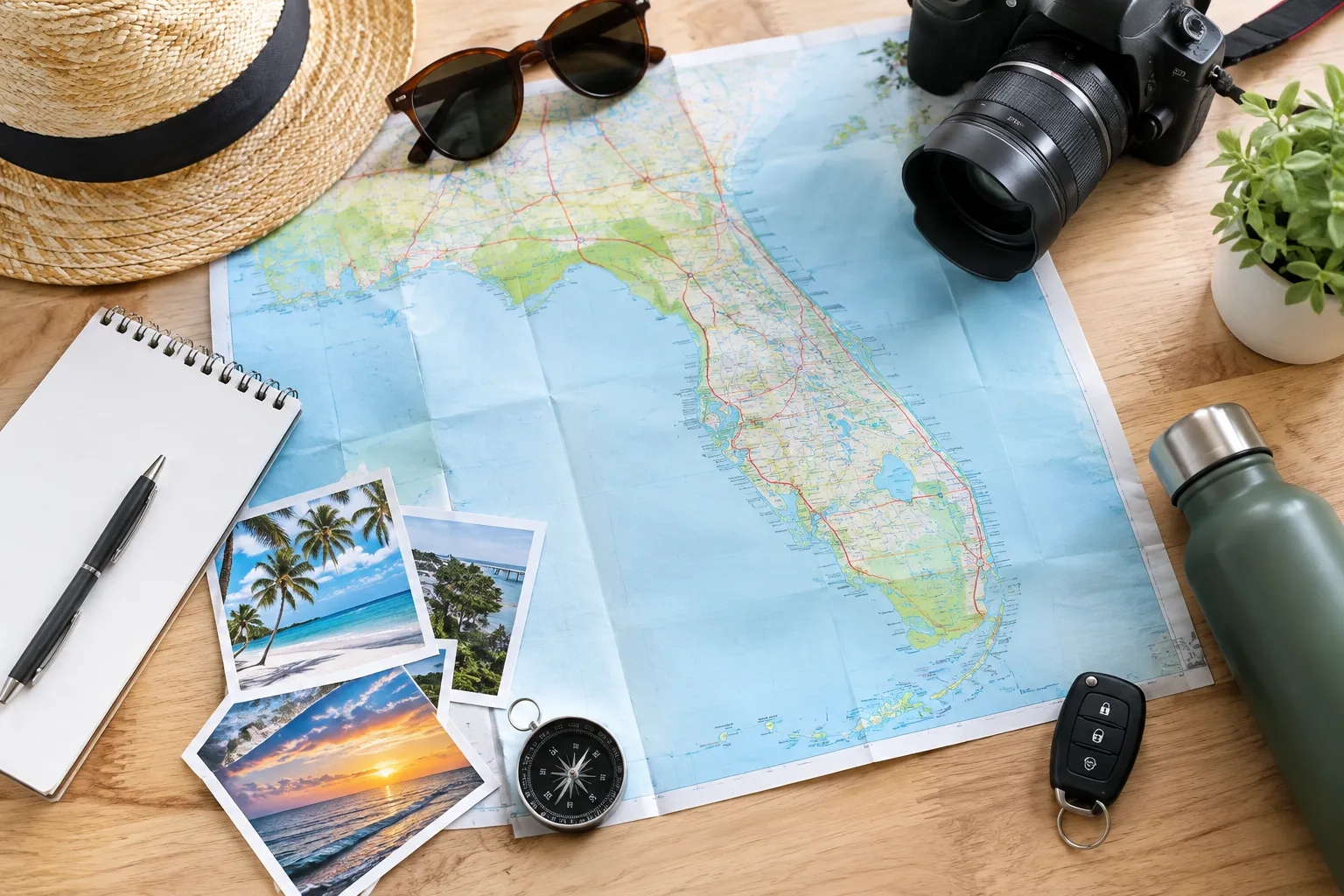
Start with your arrival point and the number of nights you have. Then choose one main region and decide what you want most from it: beach time, outdoor stops, historic streets, or major attractions. This simple order helps narrow a crowded list of travel destinations in the USA into a route you can manage.
A route can look short on a map but take much of a day once you account for traffic, meals, parking, and time outside the car. Think of each overnight stop as a base for nearby activities, not just a bed between long drives. For broader inspiration, see our guide to road trip ideas for every travel style.
Match your available days to a compact region
For a long weekend, choose one base or a compact route with one or two overnight stops. For example, you could spend three days around Miami and the Keys, focus on Orlando, or explore a stretch of the Gulf Coast. Each option is more practical than attempting a Florida-wide loop.
With about five to seven days, you can add a second area if the drive connects naturally to your interests. A South Florida trip might pair the Keys with an Everglades visit; a Central and Northeast Florida trip might combine Orlando with St. Augustine. Allow enough time in each place to do more than arrive, sleep, and leave.
For a longer trip, add a region rather than adding a distant stop for the sake of crossing it off. A few well-chosen travel days give you room to explore local history, take a nature walk, or pause at an unexpected roadside attraction. If you want a wider selection of road trips ideas before settling on a route, compare the trip styles in our couples’ road-trip guide.
Pick a route for beaches, parks, or city stops
Choose the Keys if the drive itself is part of the appeal and you want coastal scenery, island stops, and time on the water. The Overseas Highway makes for a distinctive route, but its narrow geography means you should plan stops and overnights rather than expecting quick detours inland.
Choose the Gulf Coast for a beach-focused trip with opportunities to mix in outdoor areas and different coastal communities. This works well if you prefer to pick a base and explore nearby rather than spend several days driving between islands.
Choose Orlando and St. Augustine if you want a mix of major attractions and a historic city. Orlando can anchor several days of planned activities; St. Augustine adds a change of pace with a walkable historic district and a different sense of place. For more destination-specific background, our Florida guide to beaches, parks, and cities can help you compare the kinds of stops available.
Drive the Keys and Everglades for a South Florida trip
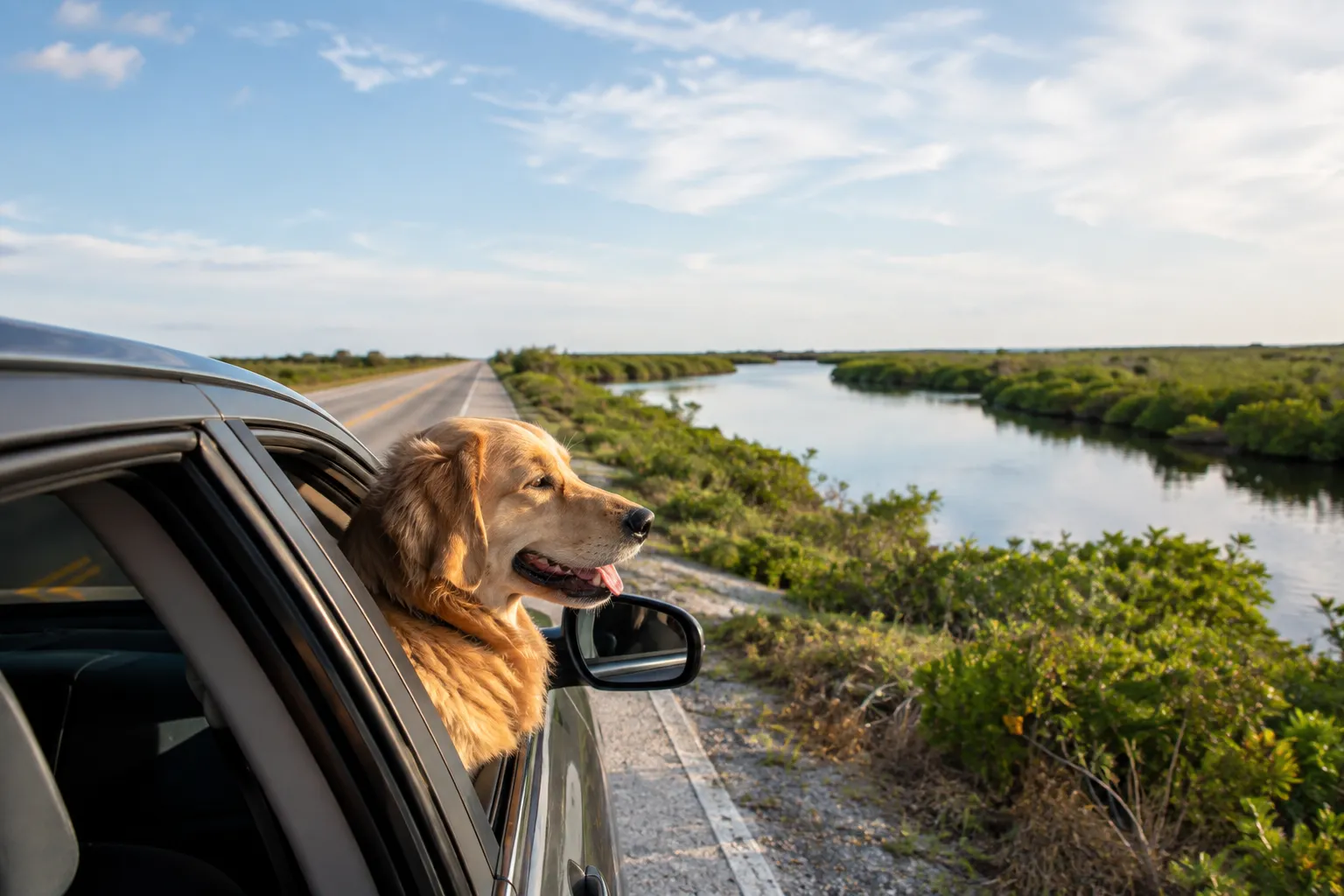
A South Florida route can combine time on the Overseas Highway with a visit to Everglades National Park. These are different experiences: the Keys are a chain of communities and coastal stops, while the Everglades calls for time to explore its landscapes and follow park guidance. Avoid treating either as a quick tick on a checklist.
Before you set the route, decide how much of the Keys you want to see and where you will sleep. Then place an Everglades visit where it makes sense for your starting point and park access. Check current road conditions, operating information, and alerts for both the highway and park before you leave.
Follow the Overseas Highway at an unhurried pace
The Overseas Highway links the Florida Keys, but the route is not just a line between a starting point and Key West. Scenic pauses, food stops, traffic, and the time needed to park can stretch the day. If you want to enjoy the drive, plan fewer stops than you think you can fit.
For a short trip, pick a section of the Keys or stay in one area and explore locally. With more days, consider an overnight along the route so you are not driving south, stopping repeatedly, and returning in a rush. Check accommodation locations against the places you want to visit, and confirm arrival and parking details before setting out.
A practical day plan might include one main destination, a couple of short pauses, and an unhurried meal. Keep optional stops flexible: if a beach, viewpoint, or local attraction takes longer than expected, you will not have to abandon the rest of a packed itinerary.
Pair the Keys with an Everglades visit
Give the Everglades a dedicated block of time. Choose an entrance and activities that suit your route, then check official park information for current access, conditions, and visitor guidance. The park is not a single roadside viewpoint, and driving to an entrance does not mean you have explored its trails or waterways.
If you are combining the park and the Keys, map the specific sites you intend to visit before choosing overnight stops. Distances and travel times between them can make a same-day combination tiring, especially if you add long walks or a guided activity. It may be more comfortable to stay near one area and continue to the next the following day.
Wildlife viewing is part of the appeal, but sightings are never something to build a schedule around. Keep a respectful distance, stay on designated routes, and follow signs and staff instructions. That approach protects both visitors and animals while leaving room to appreciate the landscape.
Compare Gulf Coast beaches and nature stops
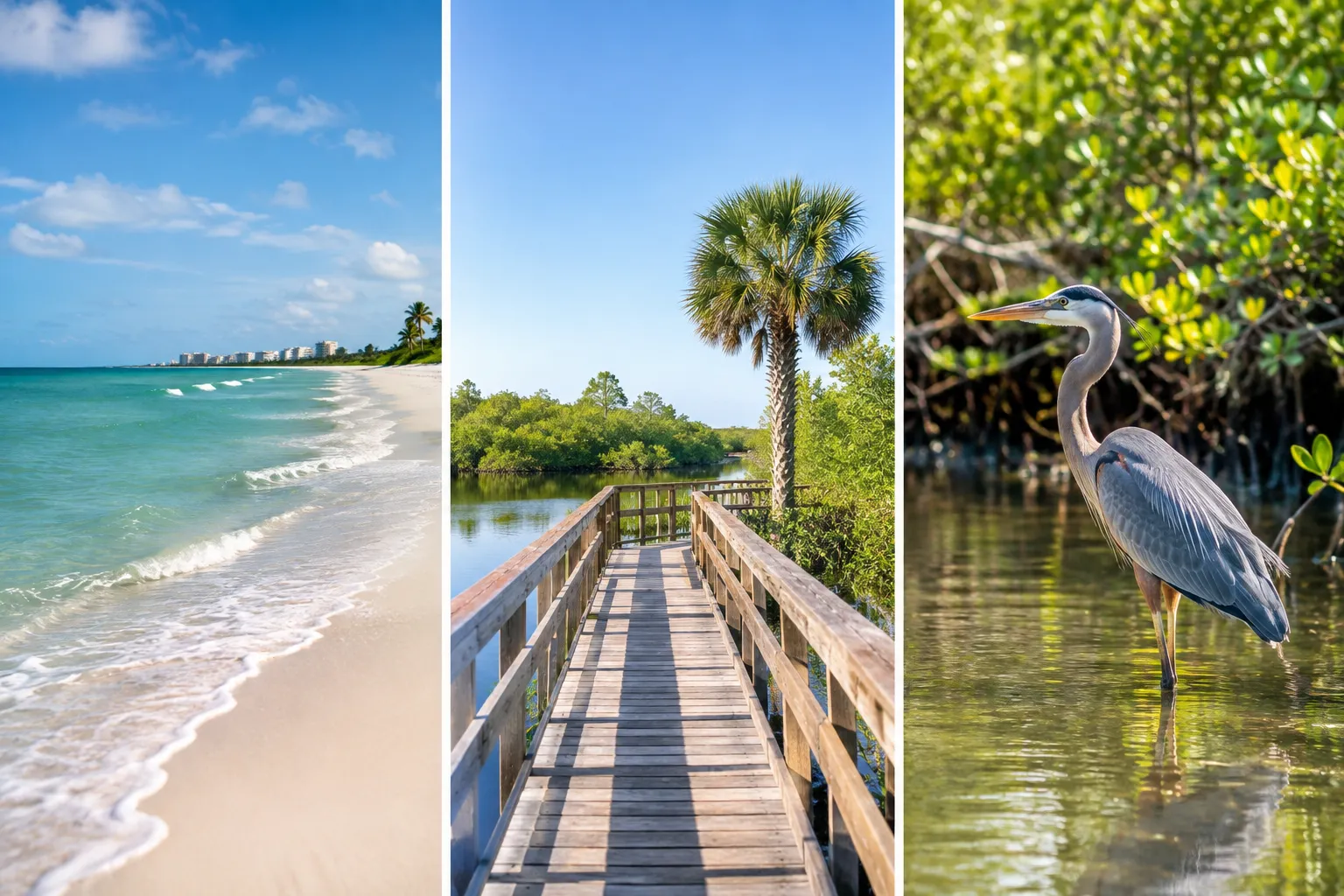
A Gulf Coast route suits travelers who want beach time without making the Keys the centerpiece. It can combine coastal communities with nearby outdoor stops, and the exact route can be shaped around where you start and how many nights you have. Instead of chasing every well-known beach, choose one or two bases and explore their surroundings.
For a short trip, keep your driving area compact: arrive, settle in, and spend the next day close to your base. With extra days, move to another coastal area only if the travel time is worth the change of scenery. Build in time for parking, meals, and weather changes rather than treating every beach stop as a quick photo break.
This route may fit travelers who want flexible days and a mix of shoreline and nature, or who would rather avoid a long drive down the Keys. If your priority is a particular beach or park, check access and local conditions before booking nearby accommodation. Seasonal weather and changing conditions can affect outdoor plans, so keep one alternative in mind.
Combine Orlando attractions with St. Augustine history

Orlando and St. Augustine offer a Central and Northeast Florida route with two contrasting types of stops. Orlando works best when you plan around the attractions you actually want to visit, while St. Augustine offers historic streets and cultural context. Set aside separate time for each rather than expecting to see both in a single, hurried day.
A simple itinerary is to use Orlando as a base for several days of chosen activities, then drive to St. Augustine for an overnight or longer stay. The order can depend on where you arrive and depart. Check driving estimates for your dates and leave room for traffic, breaks, and getting settled after the drive.
In Orlando, avoid planning a full day of attractions plus a long onward drive unless you are comfortable with a late arrival. In St. Augustine, allow time to walk, learn about the city’s history, and explore beyond a quick pass through the historic core. For travelers weighing regional scope, our Texas road-trip route guide also explains why choosing a manageable part of a large state can make planning easier.
Plan Florida driving distances, tolls, and seasonal conditions
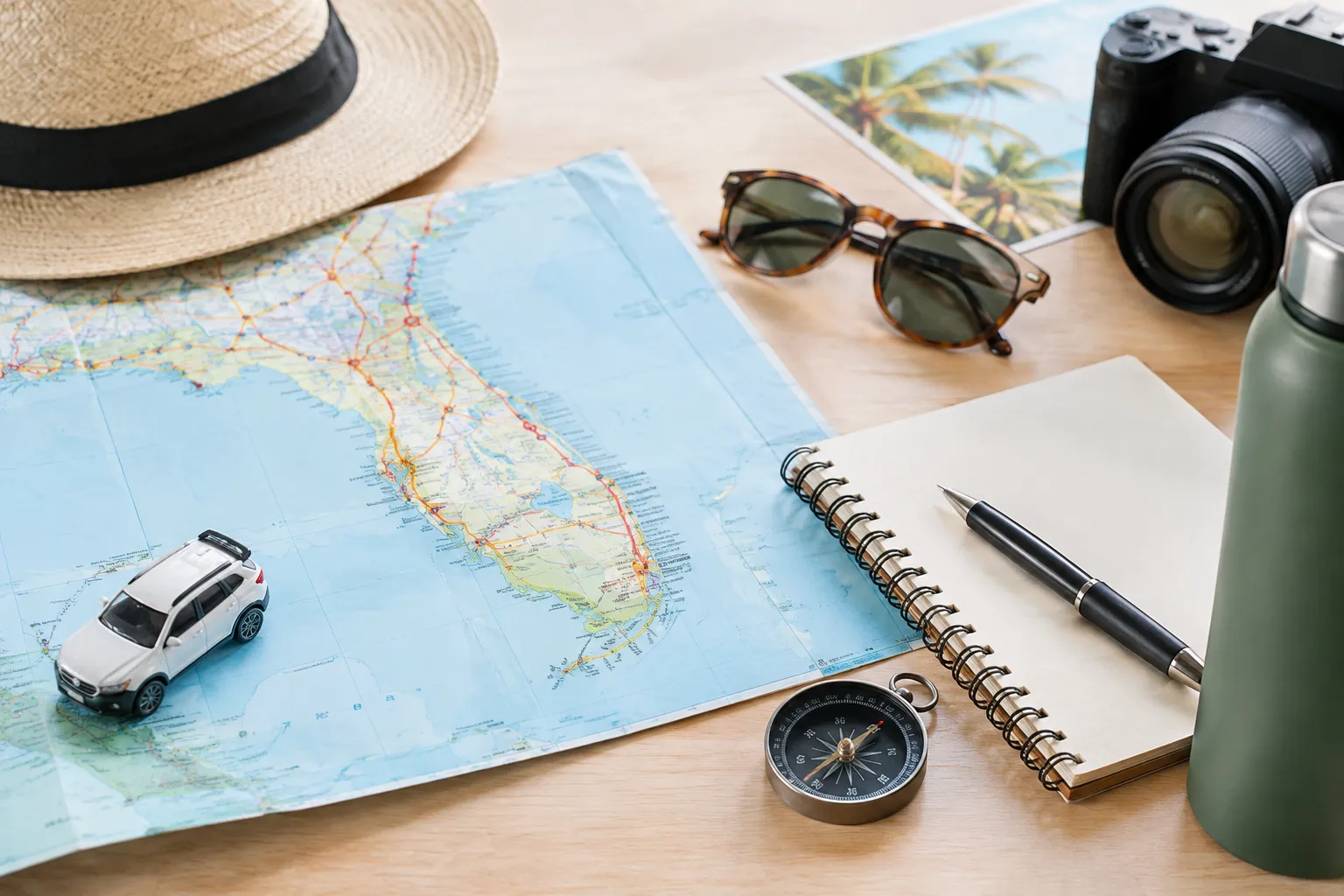
A route is only useful if the travel days work in practice. Check drive estimates between each overnight stop, identify toll roads you may encounter, and leave some flexibility for weather and traffic. Before departure, review current official information for road conditions, park access, and any advisories that could change your plans.
Estimate drive time beyond the map distance
Treat a map estimate as a starting point, not a promise. Traffic, construction, stops, parking, and the time it takes to enter or leave a busy destination all affect the day. A drive that looks manageable before lunch may feel long after a morning of activities.
For each travel day, note the expected drive, planned breaks, and one main stop. Avoid stacking several attractions on the same day you move between regions. If a route includes a beach, park, or city visit along the way, decide whether it is a short pause or a real activity that needs its own time.
When comparing route options, compare the experience as well as the mileage. A slower scenic drive may suit a relaxed trip; a more direct route may be better when you have a fixed arrival time. Recheck estimates close to departure and keep your first and last travel days lighter if you can.
Prepare for toll roads and changing weather
Some Florida routes may involve toll roads. Before you drive, check the route you plan to take and how toll payment works for your vehicle, especially if you are renting. Ask the rental provider which options are available and what fees or rules apply; do not assume every road accepts the same payment method.
Hurricane season runs from June through November, but conditions vary, and a calendar alone cannot predict what will happen during your trip. Follow official forecasts and local advisories, and be ready to adjust dates, destinations, or driving plans if conditions change. Do not drive into flooded roads or around barricades.
For any season, keep a flexible option for outdoor days. A museum, historic district, or shorter local outing can be a better backup than trying to force a beach or park visit in unsafe weather. Check park and attraction updates before setting out, since access and operating conditions can change.
Keep a respectful distance from Florida wildlife
Watch wildlife from a safe distance and never feed, touch, or try to lure an animal closer. Stay on marked trails and viewing areas, obey posted signs, and follow instructions from park staff. Do not stop in unsafe places on a road or approach an animal for a photograph.
On trails and near water, give animals room to move away. Keep food and belongings secured as directed at the site, and supervise children closely. If a viewing area is crowded, wait your turn or move on rather than stepping beyond barriers. Responsible viewing makes the stop safer for visitors and wildlife.
Florida Road Trip FAQs
What is the best road trip to take from Florida?
For a varied South Florida trip, combine a manageable stretch of the Keys with time in the Everglades. If you prefer beaches or city attractions, choose a Gulf Coast or Orlando-based route instead.
Where to go for 3 days in Florida?
Choose one compact area for three days: the Keys, a Gulf Coast base, Orlando, or St. Augustine. Staying in one region leaves more time for activities and less time crossing the state.
What is the best itinerary for a Florida road trip?
The best itinerary is one that fits your arrival point, available days, and priorities. Choose a region, plan one main activity per day, and avoid adding distant stops just to cover more ground.
Do I need to rent a car for a Florida road trip?
Usually, a car is the practical choice for a road trip that includes multiple regions or outdoor stops. For a stay centered on one city, compare local transport options before deciding.
Are Florida roads easy for visitors to drive?
Many visitors can follow the main routes with standard navigation, but traffic, tolls, and busy urban areas require attention. Review your route in advance and avoid relying on drive times alone.
Should I book hotels in advance for a Florida road trip?
Booking ahead is sensible when your dates, overnight locations, or popular attractions are fixed. It also makes it easier to avoid ending a long driving day without a suitable place to stay.
Can I take a rental car on the Overseas Highway?
Rental cars can be driven on the Overseas Highway, but check your rental agreement for restrictions and toll arrangements. Plan fuel, stops, and overnight locations before starting the drive.
What should I pack for a Florida road trip?
Pack comfortable walking shoes, sun protection, water, rain gear, and any medication you need. Add items suited to your planned activities, and check the forecast and park guidance before departure.
Build a route that leaves room to enjoy the stops
Choose one route style first: the Keys and Everglades, Gulf Coast beaches and nature, or Orlando and St. Augustine. Set a comfortable limit for driving each day, decide which stops matter most, and keep optional attractions flexible. That gives the trip a clear shape without turning every day into a race.
Before you leave, confirm your route, toll arrangements, accommodation details, weather outlook, and access information for parks or attractions. If a stop is closed or conditions change, use a nearby alternative rather than forcing the original plan. Focused Florida road trip routes make it easier to spend time in the places you came to see.