

Florida rewards travelers who plan around geography rather than trying to see everything in one visit. These travel guides for florida focus on building a route around your preferred pace, whether that means Atlantic beaches, Gulf sunsets, wetlands, historic towns, or a balanced road trip.
What travel guides for florida means in practice
A useful Florida guide is more than a list of attractions. It helps you decide which part of the state belongs in one trip, how long to stay in each place, and when driving will improve the experience rather than take over the itinerary.
Florida is long, wide, and varied. A journey linking Miami, the Everglades, the Florida Keys, and the Gulf Coast can feel completely different from a week based around St. Augustine, Orlando, and the Atlantic beaches. Northern Florida adds historic communities, springs, forests, and a slower pace that many first-time visitors overlook.
The best starting point is to choose a travel style:
- Beach-focused trips with time for swimming, boating, and waterfront evenings
- Nature trips built around wetlands, springs, wildlife, and state parks
- History and culture trips through older cities and coastal towns
- Road trips combining several regions with flexible overnight stops
- City breaks centered on Miami, Tampa, Jacksonville, Orlando, or smaller urban areas
The same principle applies when comparing destinations elsewhere. Someone researching travel guides for texas may need to plan around even greater distances, while Florida travelers must think carefully about coastal weather, heat, toll roads, and seasonal conditions. For broader planning ideas, the Florida travel guides collection can help you research individual beaches, parks, and cities after choosing a route type.
Florida also works well as part of wider ideas for road trips across the United States. The important decision is not how many named places you can include, but whether the route gives you enough time to experience each one.
How to think about travel guides for florida
Planning becomes easier when you divide Florida into practical travel zones. These zones are not strict tourism boundaries, but they help reveal which destinations work well together.
South Florida can combine Miami, the Everglades, and the Keys, although each requires a different rhythm. Miami suits travelers looking for neighborhoods, food, art, and nightlife. The Everglades calls for patience, outdoor time, and respect for changing conditions. The Keys are best approached as a chain of communities rather than a single attraction.
The Gulf Coast offers another type of route. The Tampa Bay area, Sarasota, Fort Myers, Naples, and the northern Gulf beaches each provide different combinations of beaches, nature, dining, and local character. Distances can look manageable on a map, but traffic, bridges, urban areas, and stops along the way can make a travel day longer than expected.
The Atlantic Coast creates a different sequence. St. Augustine, Daytona Beach, Cocoa Beach, Palm Beach, Fort Lauderdale, and Miami can form a broad coastal itinerary, but travelers should avoid treating the shoreline as one continuous experience. Historic districts, surf beaches, wetlands, and major cities each deserve their own planning assumptions.
Central and northern Florida are valuable for travelers who want more than a beach vacation. Orlando is a major base for entertainment and family trips, while nearby areas can lead to springs, lakes, trails, and smaller towns. Farther north, places such as St. Augustine and the Panhandle offer historic and coastal experiences without requiring a South Florida itinerary.
The core problem to understand
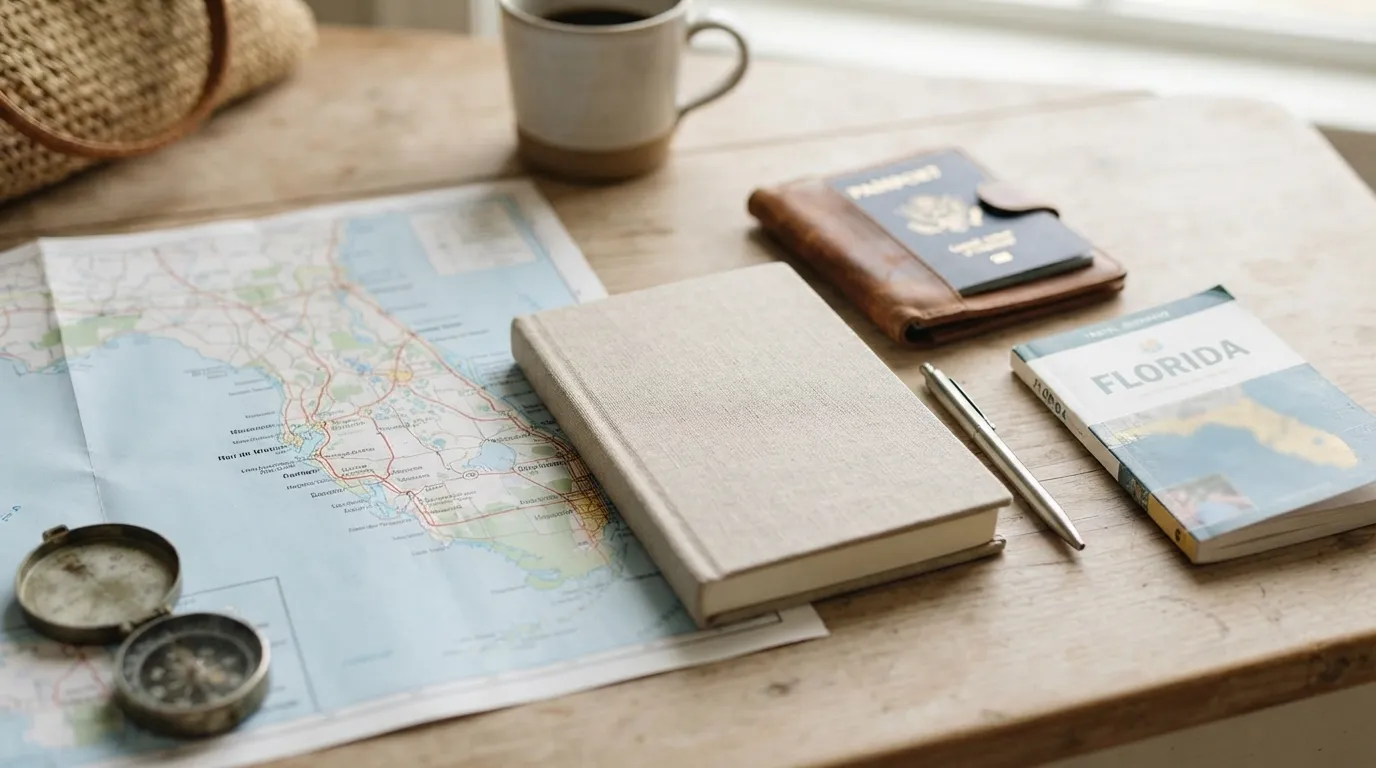
The main challenge is scale. Florida may appear straightforward because much of it is connected by major highways, yet a route that crosses several regions can involve substantial driving and frequent changes in weather, traffic, and activity.
A beach day, a wetland visit, and a historic walking tour also demand different schedules. Beaches are often most comfortable earlier or later in the day, wetlands may require heat and insect preparation, and historic districts are usually best explored on foot with time to pause.
Build the trip around geographic clusters:
- Choose one primary region.
- Add one nearby secondary area if you have enough nights.
- Treat distant destinations as separate trip extensions.
- Leave space for weather changes and unplanned stops.
For example, a traveler interested in both Atlantic and Gulf beaches might be better served by choosing one coast for a short trip. With more time, a cross-state route can work, but it should include overnight breaks rather than assuming every drive is a simple transfer.
This is also why copying a generic road trips united states itinerary can be unhelpful. Florida routes depend heavily on coast, season, urban traffic, and whether the goal is relaxation or constant movement.
The practical decision criteria
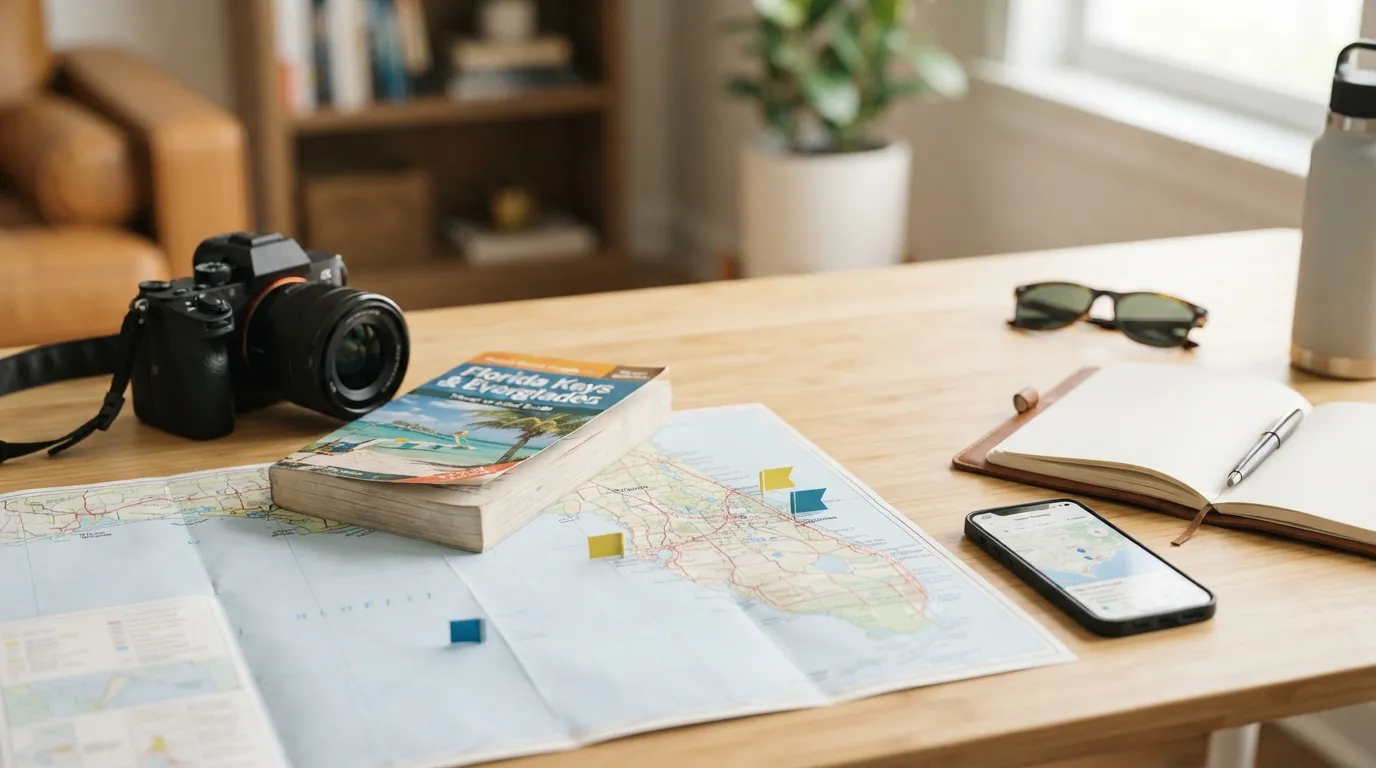
Use five criteria to choose the right route.
1. Available time
A long weekend usually suits one base and a small number of day trips. A week can support a regional loop. Longer visits may connect two regions, provided you accept that some days will be primarily for travel.
2. Preferred landscape
Choose beaches if you want water and downtime. Choose wetlands, springs, and parks if wildlife and outdoor exploration matter most. Choose historic cities if architecture, museums, food, and walkable neighborhoods are central to the trip.
3. Driving tolerance
Some travelers enjoy changing hotels and discovering new towns. Others prefer unpacking once and taking short excursions. Your answer should determine the route more than the number of attractions on a saved map.
4. Weather and heat
Florida heat can affect energy, walking comfort, and outdoor plans. Schedule demanding activities earlier when possible, carry water, use sun protection, and allow breaks. Check local conditions before entering parks, beaches, or remote areas.
Hurricane season planning also matters. Dates alone do not predict the conditions for a particular trip, so monitor official forecasts as travel approaches and understand the change, cancellation, and evacuation policies connected to your accommodation and transportation.
5. Accommodation and arrival point
A route can look efficient but become awkward if arrival and departure airports are far from the places you want to visit. Consider whether a one-way rental, a loop, or a single-base itinerary best matches your plans and rental terms.
For a broader way to compare regions and trip styles across the country, use the US destination guide before committing to a Florida route.
Common mistakes to avoid

The most common mistake is trying to combine every famous destination in one itinerary. A plan that includes multiple beaches, two major cities, wetlands, the Keys, and several parks may leave little time to enjoy any of them.
Other frequent problems include:
- Underestimating drive time between coastal communities
- Booking every night in a different place
- Planning outdoor activities only in the middle of the day
- Ignoring toll roads, parking, bridges, and urban traffic
- Treating hurricane-season travel as a normal-weather trip
- Forgetting that park access, boat tours, and local activities may require advance checking
- Assuming beaches, parks, and wildlife areas have the same safety rules
- Approaching wildlife for photographs or feeding animals
- Leaving valuables visible in a parked vehicle
- Failing to build a backup plan for storms or extreme heat
Environmental etiquette should be part of the route, not an afterthought. Stay on marked trails, follow beach and park regulations, keep a respectful distance from wildlife, pack out waste, and avoid taking shells, plants, or other natural materials where collection is restricted. In sensitive wetland and coastal environments, small choices can reduce damage to habitats.
How to apply this to travel guides for florida
Once you know your preferred pace, turn it into a route using a simple planning sequence.
Step 1: Select a travel center
Choose the place that best represents the main purpose of the trip. This might be Miami for an urban and coastal holiday, Tampa for a Gulf Coast base, Orlando for an entertainment-focused visit, or St. Augustine for history and a walkable old-city experience.
A center should make most planned activities practical without requiring a hotel change every night. It does not need to contain every attraction; it needs to support the trip you actually want.
Step 2: Add nearby experiences
From your base, identify a small group of compatible outings. A city stay might include a beach, a neighborhood known for local dining, and a cultural or historic site. A nature-focused base might include a state park, a spring, and a low-key town.
Keep the daily pattern realistic. A morning outdoors, a substantial midday break, and an evening activity may be more enjoyable than moving between four distant stops.
Step 3: Decide whether to add a second region
Add another region only when the journey between them fits your available time. For example, a traveler may connect a Gulf Coast stay with a central or northern Florida destination, but the route should include enough nights to make the transfer worthwhile.
If your main goal is variety, read these ideas for road trips for ways to match route structure with different travel styles. Then adapt the framework to Florida’s coastlines, parks, and weather rather than copying a route without checking local conditions.
Step 4: Build weather flexibility into each day
Create a primary plan and a lower-exposure alternative. On a hot day, replace a long midday walk with an indoor visit, a shorter trail, or a shaded activity. During unsettled weather, keep travel plans flexible and check alerts before heading toward coastal or remote locations.
This approach is particularly important during hurricane season, when forecasts and local instructions can change. Travelers should rely on current official information rather than an old seasonal assumption.
Step 5: Plan for responsible outdoor travel
Florida’s natural areas are central to its appeal. Protect them by using designated access points, obeying posted closures, respecting no-wake or boating rules where applicable, and never feeding wildlife. Keep noise low in sensitive areas and avoid blocking trails or viewing points.
At the beach, follow local guidance about swimming conditions, protected areas, fires, pets, and vehicles. At parks and wetlands, rules may differ from one site to another, so check before arrival instead of assuming that a practice allowed elsewhere is acceptable.
Step 6: Leave room for local discovery
A strong itinerary has structure without eliminating spontaneity. Keep at least some time for a neighborhood walk, a local market, a scenic detour, or a slower meal. These pauses often make the trip feel connected to a place rather than like a checklist.
The same planning method can support travel guides for texas and other road trips united states, but each state needs its own assumptions about distance, weather, landscapes, and transport.
FAQ about travel guides for florida
What is the best travel guide for Florida?
The best travel guide for Florida is one organized around your region, available time, preferred activities, driving tolerance, and weather considerations rather than a generic statewide checklist.
Can I get a free Florida travel guide by mail?
Some tourism organizations may offer visitor information by mail, while many current planning resources are available online. Check the official tourism office for the destination you intend to visit.
Is there a Florida travel guide book for 2026?
Travel guide books may be published in updated editions, but availability and coverage can change. Confirm the edition date and supplement print advice with current park, weather, and transportation information.
What is the best month to travel to Florida?
The best month depends on your destination, budget, heat tolerance, and activities. Compare seasonal weather, crowd levels, hurricane-season considerations, and local events before choosing dates.
What should readers know first about travel guides for florida?
Florida is too varied for one ideal itinerary. Start by choosing a region and travel pace, then add beaches, parks, cities, or historic towns that fit that foundation.
How do you choose the right travel guides for florida approach?
Choose a base itinerary for rest, a regional loop for variety, or a multi-region route for a longer trip. Let driving time and weather flexibility guide the final decision.
What mistakes should you avoid with travel guides for florida?
Avoid packing too many distant destinations into one trip, underestimating heat and traffic, ignoring storm forecasts, and treating wildlife or protected areas like ordinary sightseeing stops.
Is travel guides for florida worth it for daily use?
Yes, if the guide helps with daily route choices, weather adjustments, park rules, driving expectations, and realistic activity planning instead of simply listing attractions.
Recommended next steps
Start by writing down three priorities for the trip, such as beaches, wetlands, historic towns, or city experiences. Then choose one Florida region that supports those priorities and estimate how many full days you can spend there.
Next, mark only the destinations that fit your preferred driving range. Group nearby places together, allow time for heat and weather changes, and avoid changing accommodation unless it meaningfully improves the route.
Finally, verify current conditions before departure, including park access, road conditions, local advisories, hurricane forecasts, and any rules affecting beaches or wildlife areas. With that groundwork in place, travel guides for florida become a practical tool for shaping a trip that feels spacious, flexible, and genuinely suited to your pace.