

Planning a first trip across the United States can feel overwhelming because the country is not one single travel experience. It is a collection of regions, cities, coastlines, parks, and road-trip landscapes that suit very different schedules, budgets, and interests. This practical guide to travel destinations USA will help you narrow the choices and build a realistic itinerary.
What travel destinations usa means in practice
The phrase “travel destinations USA” covers far more than a list of famous places. It may mean choosing between a city break in New York, a national park journey in the Southwest, a coastal drive in California, or a multi-state road trip through the South.
For a first visit, the most important decision is not finding every destination worth seeing. It is deciding what kind of experience you want and how much time you can spend moving between places.
A useful starting point is to group the country into broad travel areas:
- Northeast: historic cities, museums, coastal towns, and convenient rail connections
- Southeast: warm-weather beaches, music, food, history, and distinctive regional culture
- Midwest: large cities, lakes, architecture, and quieter scenic routes
- Southwest: desert landscapes, national parks, canyon country, and memorable road trips
- Rocky Mountain region: mountain scenery, outdoor activities, and high-elevation landscapes
- Pacific Coast: major cities, beaches, forests, wine country, and long scenic drives
- Alaska and Hawaii: geographically separate destinations requiring different planning and transport expectations
This regional approach makes a travel destinations United States search more useful. Instead of asking “Where should I go?”, ask “Which region best matches my trip?”
For more ideas organized by location and travel theme, browse the US travel categories. You can use those categories to compare city trips, outdoor destinations, seasonal travel, and regional itineraries.
A dependable United States travel guide should also acknowledge the country’s scale. A map can make two destinations appear close together when the actual journey takes most of a day or longer. Your route should therefore be built around a small number of connected destinations rather than a wish list spread across the entire country.
How to think about travel destinations usa
Choosing destinations becomes easier when you separate inspiration from logistics. Photos and famous landmarks may help you discover possibilities, but season, distance, transport, and pace determine whether the trip works in practice.
A useful usa guide begins with your available time. A long weekend, one week, and three weeks support completely different itineraries. The right destination is the one that gives you enough time to experience it without spending the trip in airports, cars, or hotel changes.
The core problem to understand
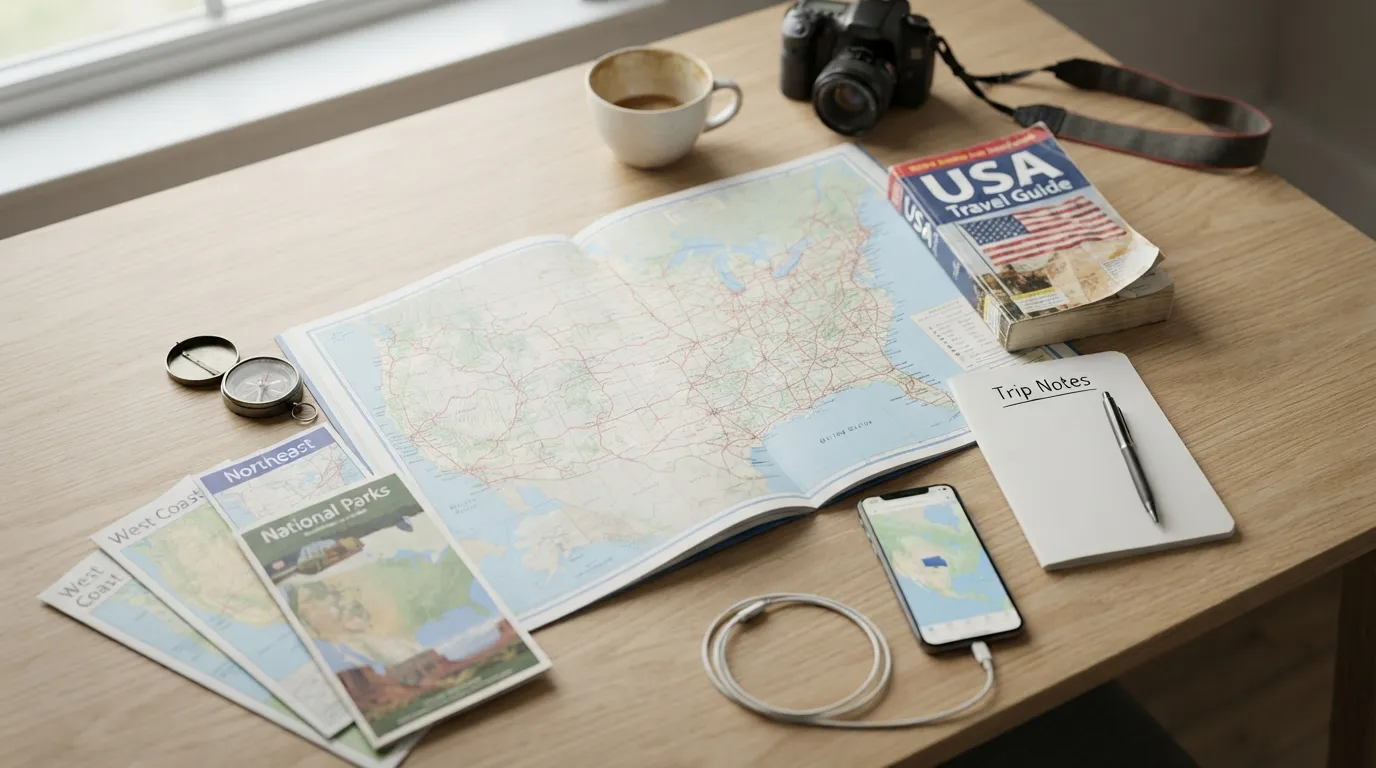
The central problem is overplanning. First-time visitors often try to combine cities and landscapes that belong to separate regions, assuming domestic travel will be quick and simple. The result can be an expensive itinerary with little time to explore.
For example, a trip that includes New York, New Orleans, Yellowstone, Los Angeles, and the Grand Canyon may sound comprehensive, but it involves major geographic jumps and different travel styles. A more satisfying plan might focus on one region:
- New York, Philadelphia, and Washington, DC for history, museums, food, and urban travel
- San Francisco, the California coast, and Los Angeles for cities, coastline, and scenic driving
- Las Vegas, Zion, Bryce Canyon, and the Grand Canyon for a Southwest road trip
- Chicago and nearby Great Lakes destinations for architecture, food, culture, and waterfront scenery
- Atlanta, Charleston, Savannah, and nearby coastal areas for Southern history, food, and relaxed city travel
These are examples of route logic, not fixed itineraries. The best choice depends on your interests, the season, and whether you want to drive.
The second part of the problem is confusing popularity with suitability. A destination can be famous and still be a poor match for your trip. A major city may not suit someone seeking quiet nature, while a remote national park may be difficult for travelers who prefer public transport and short transfer times.
Start by writing down three priorities. They might be:
- One major cultural experience
- One outdoor or scenic experience
- A manageable travel pace
Use those priorities to filter destinations before researching individual hotels, attractions, or restaurants.
The practical decision criteria

When comparing travel destinations USA, consider the following criteria in order.
1. Trip length
For a three-day trip, choose one primary destination and perhaps one nearby excursion. For a week, you can usually combine a city with nearby towns, a short road-trip loop, or a second destination with a straightforward connection.
Longer trips allow more variety, but they do not eliminate the need for structure. Even a two- or three-week journey can feel rushed if every night is in a different place.
2. Season and weather
The same destination can offer very different experiences throughout the year. Winter may bring snow, shorter daylight, or road restrictions in some areas. Summer can bring heat, crowds, and higher demand in popular destinations. Spring and autumn may offer comfortable conditions, but exact weather varies by region.
Check conditions for the specific places on your route rather than relying only on national seasonal labels. The United States spans multiple climate zones, so a “summer trip” can mean humid heat in one region and cooler mountain conditions in another.
Also check whether activities are seasonal. Scenic roads, mountain trails, ferries, outdoor events, and certain tours may operate differently depending on the time of year.
3. Transport and driving comfort
Cities such as New York, Chicago, San Francisco, and Washington, DC can be explored using combinations of walking and public transportation. Other destinations, particularly rural areas and many national parks, may require a car or carefully arranged transfers.
Ask yourself:
- Am I comfortable driving long distances?
- Will I need a rental car for the full trip or only part of it?
- Can I return the car in a different city?
- Are the places I want to visit connected by practical transport?
- How much time will be spent collecting, returning, or parking the vehicle?
A road trip is not automatically more flexible if the route includes very long driving days. Build in time for stops, weather changes, meals, and rest.
4. Budget structure
A destination’s cost is more than accommodation. Include transportation, car rental, fuel, parking, entrance fees, meals, tours, and travel insurance where relevant.
Urban trips may involve higher accommodation costs but lower transport needs. National park itineraries may offer scenic experiences without city prices, yet require a car and longer distances. Compare the whole trip rather than judging destinations by hotel prices alone.
A simple planning method is to divide your budget into four categories:
- Getting there and returning home
- Accommodation
- Local transportation
- Food, activities, and contingency funds
Leave room for changes. A flexible budget is especially useful for road trips, where weather or fatigue may make an extra night worthwhile.
5. Travel style
Your ideal destination depends on how you like to spend a day. Consider whether you prefer:
- Museums, neighborhoods, restaurants, and performances
- Hiking, wildlife, viewpoints, and open landscapes
- Beaches and water-based activities
- Historic sites and architectural tours
- Scenic driving with frequent stops
- A relaxed base with short day trips
- A full itinerary with several planned activities
There is no universally best travel destinations United States itinerary. There is only a better fit for a particular traveler, season, and schedule.
Explore US Now focuses on destination ideas and planning resources for trips across the country. You can learn more about the site’s approach on the about Explore US Now page before using its guides to develop your route.
Common mistakes to avoid

The most common mistake is treating the United States as compact. Distances between destinations can be substantial, and travel time often includes airport transfers, security, car collection, traffic, and rest breaks.
Another mistake is planning only around landmarks. A list of attractions does not explain how you will move between them or whether you will have enough time to enjoy them. Place travel days and slower days into the itinerary before filling every available hour.
Avoid changing accommodation every night unless the route genuinely requires it. Staying two or three nights in one base often makes a trip more comfortable and gives you time to explore beyond the main attraction.
Do not assume every national park or scenic area offers the same facilities. Research opening information, road access, reservations, trail conditions, and distances before setting a fixed schedule. Official destination and park sources should be checked close to departure.
Finally, avoid choosing a destination solely because it appears in a popular list. A destination that matches your interests and travel pace will usually create a better first impression than a famous place visited under pressure.
How to apply this to travel destinations usa
Turn your ideas into an itinerary with a simple sequence.
First, choose one broad travel style: city, nature, coast, history, food, road trip, or a combination of two compatible styles. Then select one region where that style is easy to experience.
Second, choose an arrival and departure point. If you are driving, consider whether a circular route is simpler than returning along the same roads. If you are using flights or rail, look for destinations with practical connections rather than adding places because they look close on a map.
Third, select a primary base. A base is a city or town where you stay for several nights and explore nearby sights. This reduces packing and unpacking and gives the itinerary a stable center.
Fourth, add no more than one or two secondary stops for a shorter trip. For a longer trip, add destinations only when they contribute something meaningfully different, such as moving from an urban experience to a national park or from a historic city to a coastline.
Fifth, check the route against the season. Ask whether the activities you want are available, whether daylight is sufficient, and whether weather could affect mountain roads, trails, or outdoor plans.
A practical itinerary template might look like this:
- Day 1: Arrive and settle in
- Days 2–3: Explore the primary destination
- Day 4: Travel to a nearby secondary stop
- Days 5–6: Explore the second base
- Day 7: Return or depart
For a longer journey, repeat the pattern while keeping travel days distinct from sightseeing days.
Seasonal travel deserves its own research. If you are considering a winter holiday beyond the United States, the site’s Winter Wonderland: Top Christmas destination in offers a relevant example of how seasonal destination planning can differ from a standard summer itinerary. The broader lesson is to match the destination with the experience you want at that time of year.
Before booking, make a short planning checklist:
- Confirm the season and likely conditions
- Measure distances between each overnight stop
- Decide where a car is necessary
- Estimate the complete transport and accommodation budget
- Check attraction, park, and tour requirements
- Leave at least some flexibility for delays or rest
- Save key addresses and reservation details offline
FAQ about travel destinations usa
What are the top 10 travel destinations in the US?
Popular choices include major cities, national parks, beaches, historic areas, and scenic road-trip regions. The best ten for your trip should reflect your interests, season, available time, and willingness to drive.
Where is the best place to travel right now in the US?
The best current choice depends on the month, weather, and activities you want. Compare regional conditions and seasonal access before selecting a city, coast, park, or road-trip route.
Where to go for a 3 day trip in the USA?
Choose one walkable city, a nearby coastal town, or a compact regional base with short excursions. Avoid combining destinations that require long domestic flights or full-day drives.
Where is the safest place for Americans to travel right now?
Safety varies by destination and personal circumstances, so check current official travel information and local guidance. Choose a route with reliable transport, suitable accommodation, and realistic daily plans.
What should readers know first about travel destinations usa?
The United States is geographically large and highly varied. Start with one region, define your travel style, and compare distances, seasons, transport, and budget before choosing specific destinations.
How do you choose the right travel destinations usa approach?
Match the route to your time and priorities. City travelers may need fewer driving days, while nature-focused travelers should allow more time for roads, trail access, weather, and outdoor activities.
What mistakes should you avoid with travel destinations usa?
Avoid packing too many distant destinations into one itinerary, overlooking seasonal conditions, and budgeting only for hotels. Leave time for transportation, rest, and unexpected changes.
Is travel destinations usa worth it for daily use?
Yes, as a planning search it can help you discover regions and trip styles. Use it as a starting point, then narrow the research to specific destinations, dates, transport needs, and activities.
Recommended next steps
Begin with a short list of three possible regions rather than dozens of individual destinations. For each region, write down the experience it offers, the season when you would visit, the transport required, and the minimum number of days needed.
Next, remove any option that demands unrealistic travel days or does not match your priorities. Choose the route that gives you the best balance of discovery and ease, not simply the largest number of stops.
Then research the specific cities, parks, towns, and scenic routes within that region. Check current access information, accommodation availability, local transport, and seasonal conditions before making reservations.
A thoughtful united states travel guide should help you make decisions, not create pressure to see everything. With one well-chosen region, a realistic schedule, and room to adapt, your first trip can offer a rewarding introduction to the country without becoming an exhausting race across the map.
[…] broader destination ideas before committing to a route, use this guide to US travel destinations. It can help you compare regions first, then build a road trip around the places that genuinely […]
[…] reach because of traffic, road conditions, airport procedures, or the need to change transport. The US destination planning guide can help you select places that make sense […]
[…] help comparing possible destinations, use these US destination ideas to narrow your choices by travel interests and trip […]
[…] useful starting point is this guide to US travel destinations, which can help you identify where deeper research is worthwhile. The tradeoff is that broad […]
[…] a broader way to compare regions and trip styles across the country, use the US destination guide before committing to a Florida […]
[…] broader US travel destinations guide can help establish geography and trip structure before narrowing the plan to heritage-focused […]