
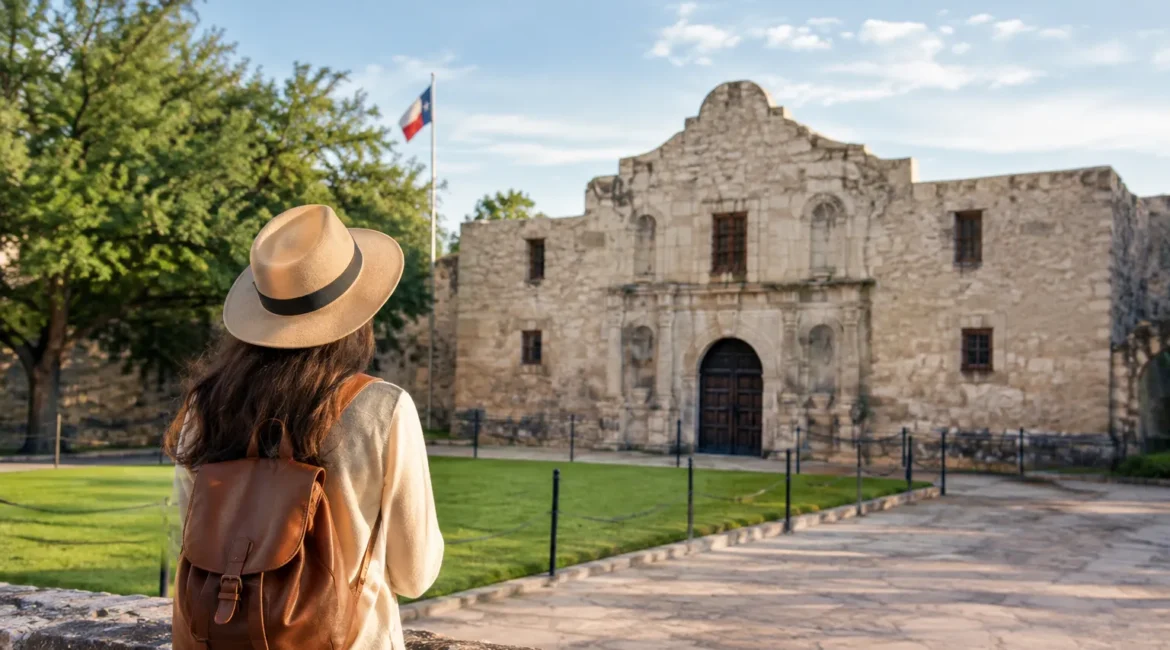
The best historic and cultural travel destinations in the USA make room for more than famous landmarks. They connect architecture and museums with living communities, migration stories, Indigenous heritage, and regional food. The right choice depends on which stories you want to understand—and how much time you can give them.
Historic Cities Where the Past Is Part of Daily Life
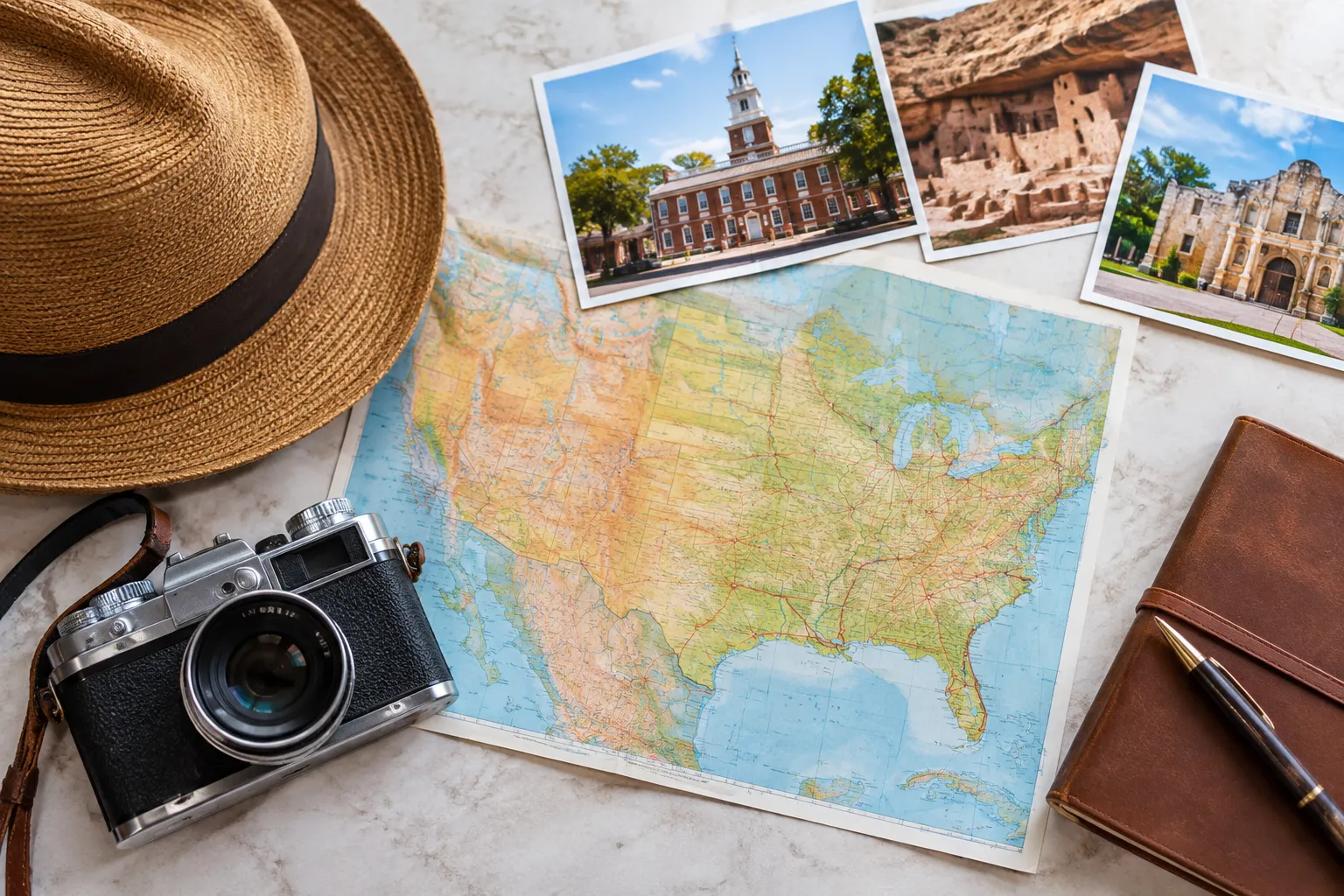
Cities work well for travelers who want museums, historic streets, and contemporary culture in one trip. Instead of racing between monuments, choose a neighborhood or theme, then build in time to notice how the past lives alongside the present. A focused practical guide to travel destinations in the USA can help you compare city stops with the rest of your route.
Explore layered history in Boston and Philadelphia
Boston and Philadelphia are strong choices for exploring the nation’s founding era, but the story is larger than a sequence of civic landmarks. In either city, pair a major historic site with a neighborhood walk, museum visit, or local tour that includes perspectives beyond the familiar founding narrative.
In Boston, use the Freedom Trail as a framework rather than a checklist: choose the sites that interest you, and leave room to explore surrounding streets and institutions. In Philadelphia, Independence Hall and the Liberty Bell can anchor a visit, while nearby historic neighborhoods and museums add context about who shaped the city and whose stories are less prominent in traditional accounts.
A day in either city can work for a first-time visit, but a second day gives you more room to follow a theme. If you have only a few hours, pick one landmark and one nearby place that deepens the story instead of trying to cover the whole historic core.
Experience living heritage in New Orleans and San Antonio
New Orleans and San Antonio are compelling when you want history expressed through public space, music, architecture, and food—not only museum displays. Both require attention to the fact that historic neighborhoods are also places where people live and work.
In New Orleans, explore the French Quarter’s architecture and public spaces, then look beyond the best-known visitor corridor for museums or locally led cultural experiences. Creole and African American histories, among others, are part of the city’s layered story; seek interpretation that explains those histories rather than treating culture as scenery.
In San Antonio, the Alamo and the city’s missions offer entry points into complex histories involving Indigenous peoples, Spanish colonialism, and later community life. Allow time to understand the context at each site, and check current access and interpretation before you go. For either city, plan around a manageable area each day and reserve time for a meal connected to local food traditions.
Indigenous Heritage Sites to Visit With Care
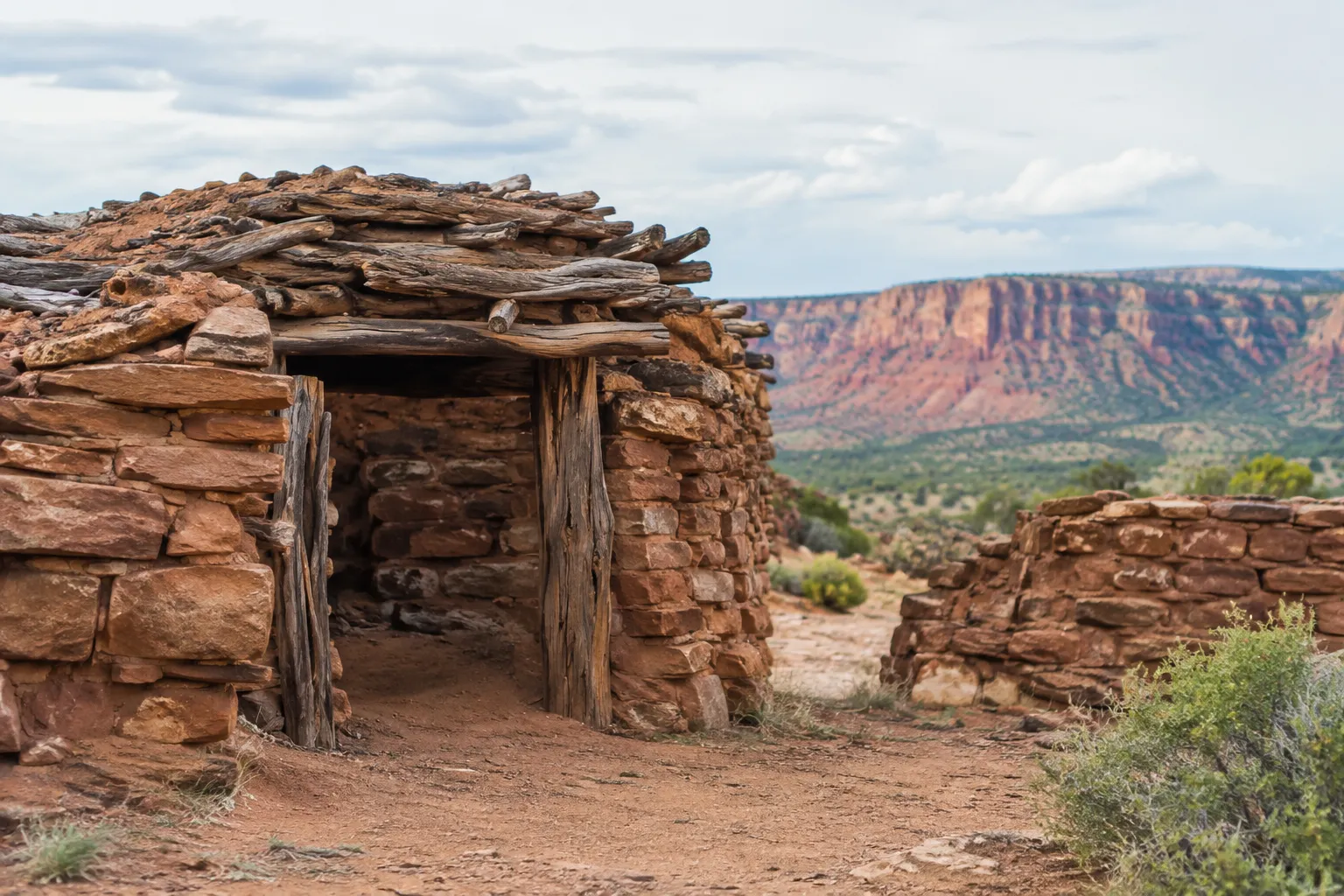
Indigenous heritage is not only a subject of the past. Tribal nations and communities maintain living cultures, and the appropriate way to visit varies by place. Some sites welcome visitors with specific guidelines; others may limit access or ask visitors to avoid certain areas.
Before you go, look for information from the tribal nation or community connected to the place, as well as the site’s official visitor guidance. Check whether tours, photography, or entry to particular areas are allowed. Follow posted rules, stay on permitted routes, and avoid treating ceremonial or community spaces as attractions.
Places such as Taos Pueblo and Chaco Culture National Historical Park can prompt deeper learning, but they are distinct sites with their own context and visitor expectations. Do not assume that access or services are the same year-round. Confirm current conditions and restrictions through official sources before adding them to a route.
Useful United States travel guides for deeper research can help you identify background reading, but prioritize interpretation and guidance from the communities whose histories you are visiting.
Migration Stories That Shaped American Communities
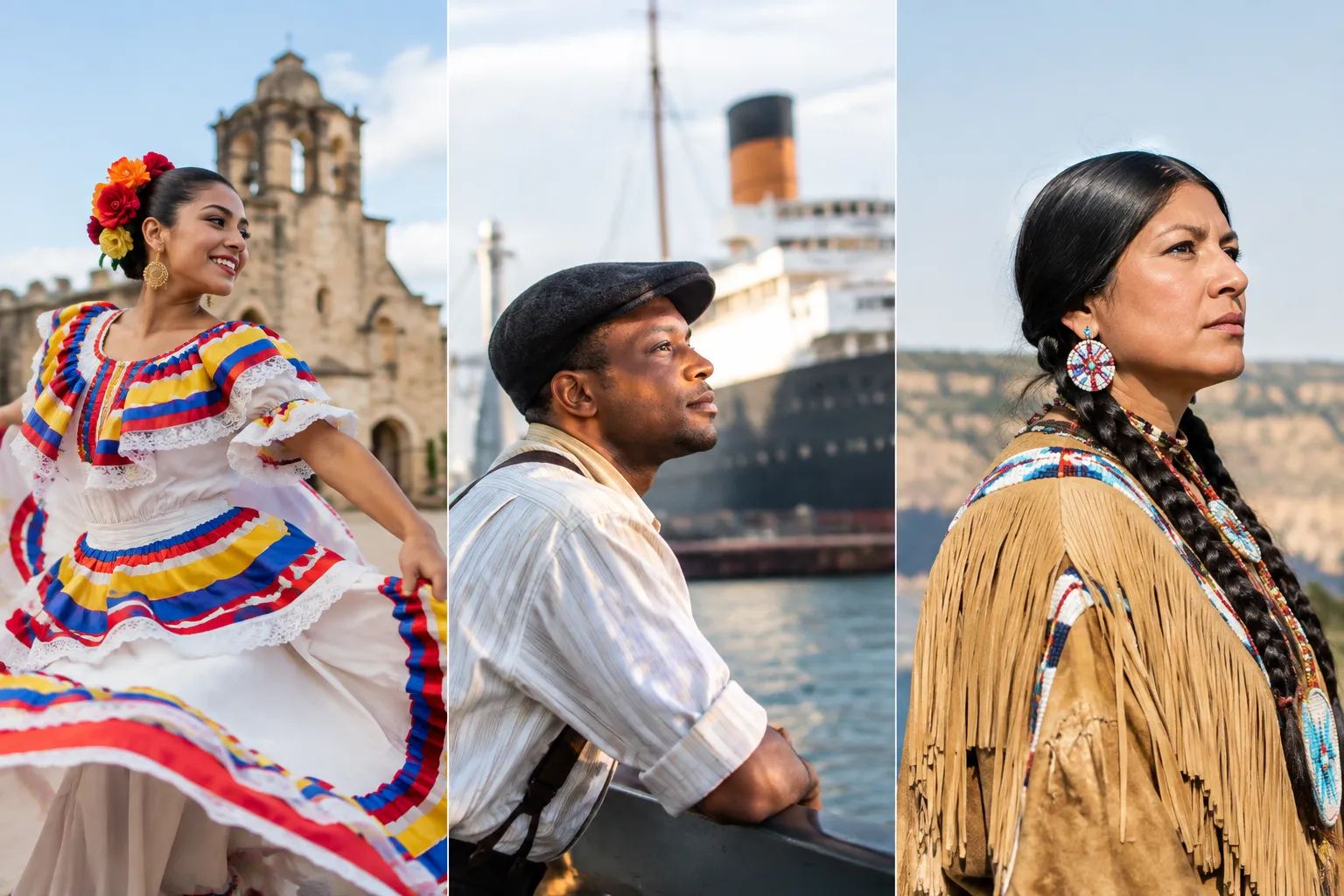
Migration has shaped cities and regions through many different experiences, including voluntary movement, forced displacement, and resettlement. To explore those stories, combine a museum or historic site with time in the neighborhoods and cultural institutions connected to them.
In New York City, Ellis Island offers a way to examine immigration through a major historic gateway. Pair it with a visit to a neighborhood museum or cultural center to learn how immigrant communities built lives beyond the point of arrival. On the West Coast, Angel Island Immigration Station presents a different history of immigration and exclusion. Check current access and opening details before planning around either site.
For Japanese American history, Manzanar National Historic Site in California provides context on wartime incarceration. It is a substantial detour from many city itineraries, so it suits travelers who can set aside time for the visit and surrounding landscape rather than squeezing it into a rushed drive.
Plan one main site per half-day where possible, and look for interpretation that gives historical context as well as personal and community perspectives. A guide to destinations centered on US history and culture can help you connect individual stops to a broader theme.
Regional Foodways That Carry Cultural History
Food can make a region’s history tangible, but one famous dish rarely tells the whole story. Markets, family-run restaurants, food museums, and locally led tours can help explain how ingredients and cooking traditions reflect migration, Indigenous knowledge, trade, and cultural exchange.
In the Southwest, look for opportunities to learn about Indigenous food traditions from Indigenous-led sources and businesses. In New Orleans, Creole and other local foodways reflect a layered history; in the Mississippi Delta, food traditions can open a window into African American cultural history. These examples are starting points, not a complete picture of either region.
When choosing a food tour or experience, check who leads it, what it covers, and whether it makes room for local context rather than only sampling. Give yourself time to ask questions respectfully and to eat at places serving the community, not only visitors. Food-focused stops work especially well between museums or walking tours, when a meal can help you pause and reflect on what you have learned.
Choose a Destination for the Kind of History You Want to Explore
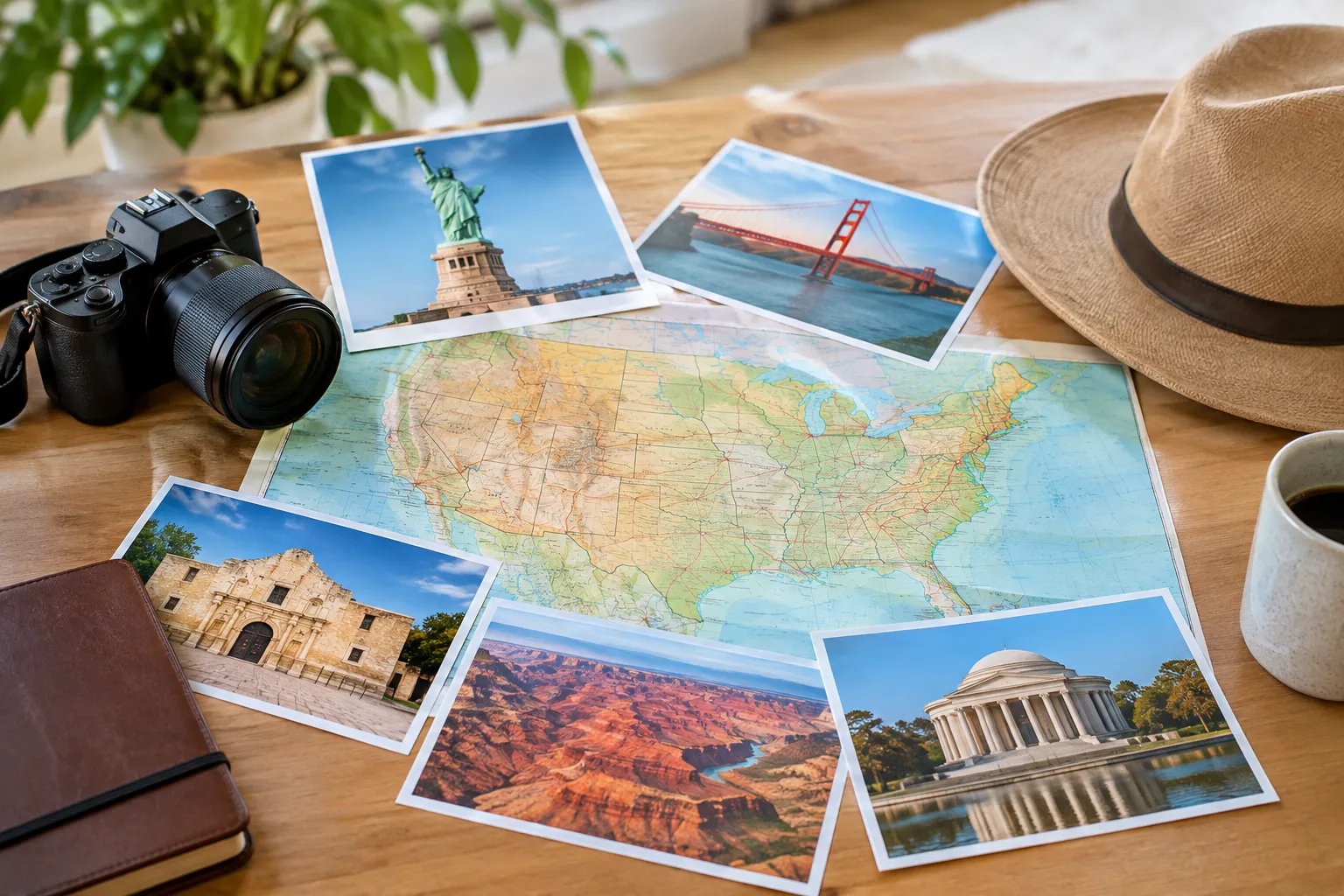
Start with a question, not a list of landmarks. Are you interested in civic history, Indigenous heritage, migration, architecture, music, or food? A clear theme makes it easier to choose a destination and decide which sites deserve time.
| If you want to explore… | Consider… | Planning tradeoff |
|---|---|---|
| Founding-era civic history and walkable historic areas | Boston or Philadelphia | A short visit means choosing a few sites instead of attempting a full survey |
| Living culture, public spaces, and food traditions | New Orleans or San Antonio | Major landmarks need context; include time for neighborhood exploration |
| Indigenous heritage and community perspectives | A tribally connected site or cultural institution | Visitor access and protocols differ; check guidance before traveling |
| Immigration and changing communities | New York City or Angel Island | Include both the historic gateway and a place that shows community life |
| Wartime incarceration and its legacy | Manzanar | The visit may require a dedicated travel day, depending on your route |
Then check the practical fit: how many days you have, how far apart the sites are, whether you will need a car, and what requires advance planning. For a road trip, group nearby stops into realistic days rather than adding every interesting place to the route. A smaller number of visits with time for interpretation can be more meaningful than collecting landmarks.
Before departure, verify opening hours, reservations, closures, transportation, and site-specific visitor rules through official sources. These details can change, especially at culturally significant places. Use a destination guide for context, then confirm the logistics that affect your dates.
Historic and Cultural Travel FAQs
What are the best historical vacation destinations in the US?
Boston and Philadelphia suit travelers interested in civic history; New Orleans and San Antonio offer layered cultural histories, while sites such as Angel Island focus on migration. Choose based on the story you want to explore.
What are some hidden gem travel destinations in the USA?
Look beyond headline landmarks to smaller museums, community cultural centers, and locally led walking tours. Ask destination organizations for options that fit your interests, then confirm access and schedules before traveling.
What is the most historic place in the USA?
There is no single most historic place: different sites represent different eras and communities. Choose a place connected to the history you want to understand, then explore its interpretation and surrounding context.
Where to travel if you like history?
Choose Boston or Philadelphia for civic history, New Orleans or San Antonio for layered urban culture, or a migration-focused site for stories of arrival and displacement. Match the destination to your available time.
How much time should I set aside to understand a historic destination?
Set aside at least a full day for a city’s main historic district, and longer if you want museums and neighborhood context. For a single site, allow enough time to read and reflect.
What should I check before visiting a culturally significant site?
Check current access, opening details, photography rules, and visitor guidance from the site or relevant community. Follow restrictions and confirm whether tours or reservations are needed before you travel.
Are historic neighborhoods best explored on foot or with a guide?
Walking lets you notice streets and buildings at your own pace; a knowledgeable local guide can add context you might miss. Choose a guided walk when interpretation is central to your visit.
How can I find locally led cultural experiences when planning a trip?
Search for tours and events led by local cultural organizations, tribal communities, or neighborhood groups. Read what the experience covers, confirm who leads it, and follow the host’s visitor guidance.
Plan a Thoughtful Cultural Trip
Choose one destination or theme, then build a trip around a few well-chosen sites, local interpretation, and time to explore the surrounding community. Read about the history before you arrive, but stay open to learning how it is understood and lived today.
A useful itinerary balances travel time with meaningful stops. Check logistics close to your visit, respect local guidance, and support cultural stewards through experiences they organize or recommend. That approach makes historic and cultural travel destinations in the USA more than a checklist—it turns the route into a chance to listen, learn, and understand place.