
Planning a national park road trip in the USA is less about collecting famous names and more about connecting a manageable group of places. Park entrances, seasonal roads, reservation rules, and long stretches between services can reshape a route. Start with one region, leave room to explore, and treat drive times as part of the itinerary—not empty space between destinations.
Choose a park region before drawing your route
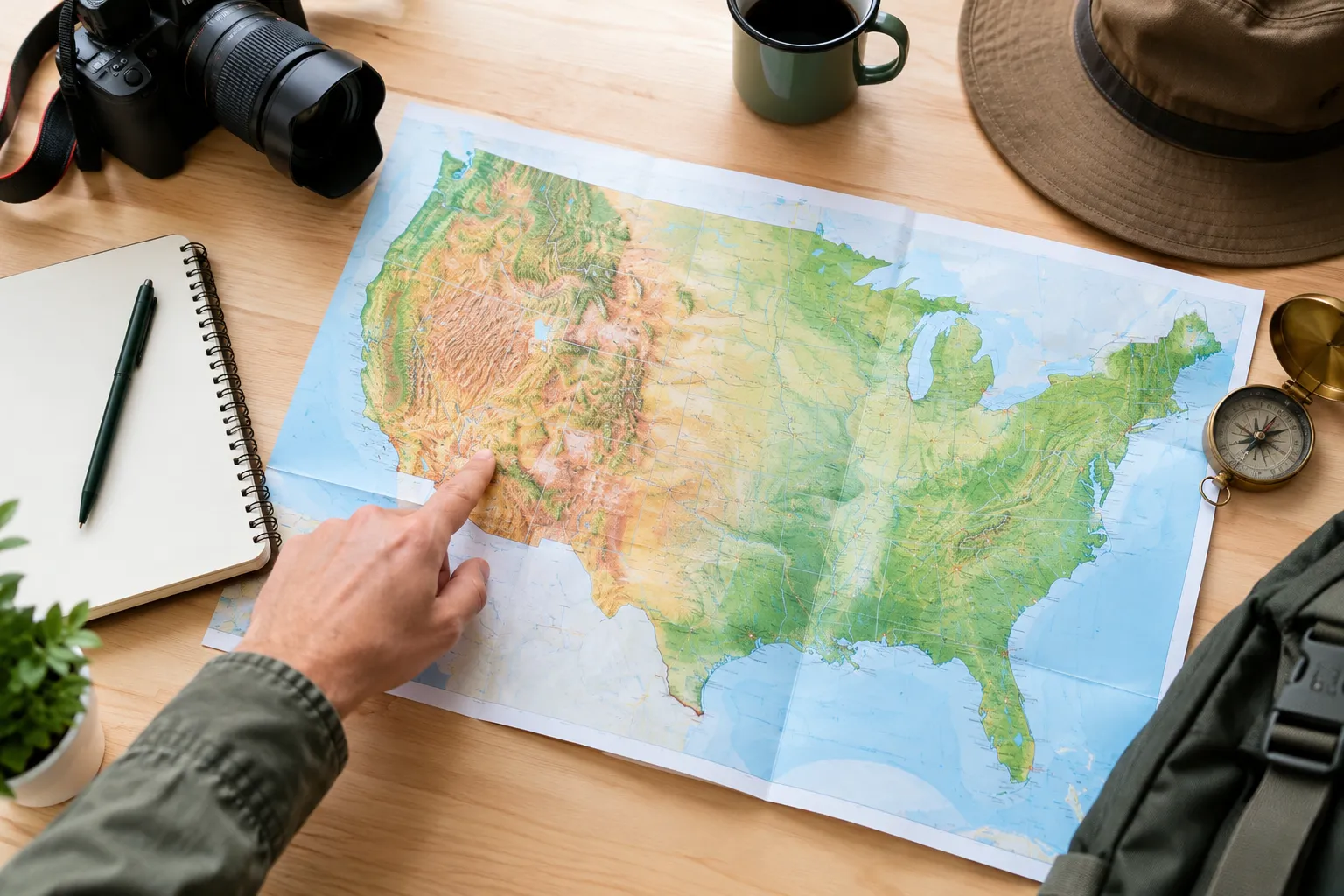
A national parks trip is easier to plan when the parks share a region and the route has a clear start and finish. Trying to connect distant parks can turn a scenic vacation into a series of long transfer days.
Match parks to your available time
Choose parks based on the time you can spend in the region, your interests, and how often you want to change lodging. A trip focused on hiking may need longer stays than one built around overlooks and short walks. Likewise, a family traveling with children may prefer fewer bases and shorter daily drives.
As a starting point, a four-day trip might center on one park and a nearby town, while a week could allow time for two close-together parks. A longer trip can connect more places, but only if you allow enough time for the roads between them and the activities you want to do.
There is no single best road trip in the United States for every traveler. First decide what matters most: varied landscapes, wildlife, hiking, scenic drives, or a particular park. Then choose a route that gives those priorities enough time. Our guide to road trips in the United States by trip length can help you think through the right scope.
Use a road trip map to spot practical connections
Put the parks, possible arrival and departure points, and overnight towns on one road trip map. Then compare the actual roads between them, not just the straight-line distance. A nearby park on the map may take longer to reach than expected because of winding roads, mountain passes, or a route that goes around a large area.
Check whether a one-way route would save backtracking, and consider whether your arrival and departure points make that route practical. If you need to return to the same airport or starting town, include that return drive in your plan from the beginning.
The broader best road trips in the US for first-time travelers guide offers a wider starting point if you are still deciding between a parks-focused route and other kinds of United States road trips.
Build in time for park-to-park drives
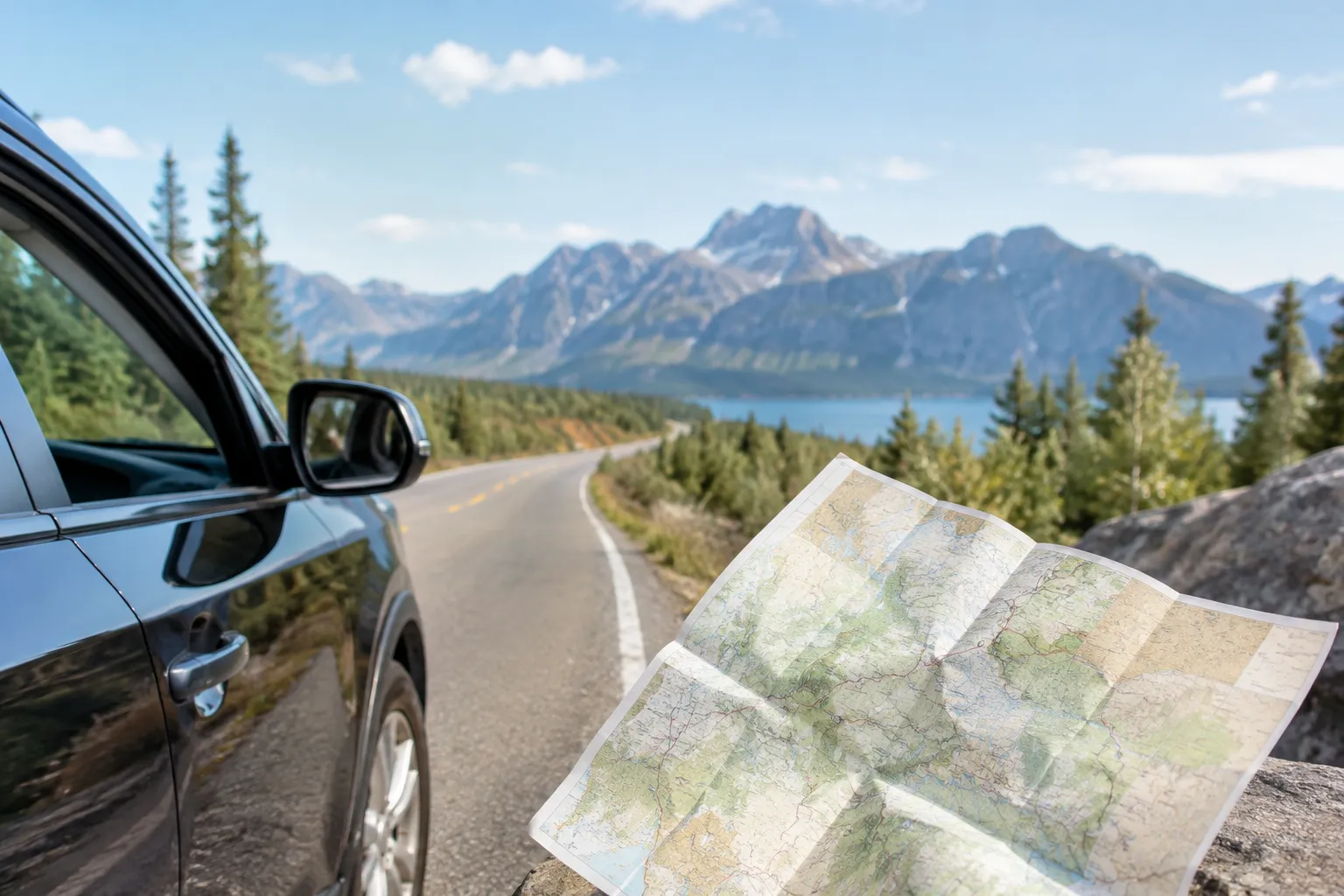
A map can make parks look close together while the route between them still takes much of a day. Build a realistic travel day around the whole journey, including the time needed to reach the sights once you arrive.
Count the full drive, not just the highway miles
A map estimate is a baseline, not a complete itinerary. Add time for fuel, food, traffic, roadwork, rest breaks, and scenic stops. Inside a park, the entrance may be a long way from the trailhead, viewpoint, visitor area, or lodging you have in mind.
For each travel day, write down three things: where you are leaving from, where you need to arrive, and what you still hope to do that day. If the plan assumes a long drive followed by a full afternoon of sightseeing, decide which part can move. That makes it easier to avoid arriving tired and having to rush through the place you came to see.
A route planner should also account for conditions that can change travel time, such as weather or congestion. Recheck the road situation close to departure rather than relying on an old estimate.
Give iconic parks more than a quick stop
A major park is rarely just a point on a map. You may need time to enter, find parking, travel between areas, and make the visit worthwhile. A short stop can work if you have one specific viewpoint in mind, but it is not the same as having time to explore.
If a park is the main reason for your trip, consider staying nearby for more than one night. This can give you a fuller day in the park without having to pack up and drive to the next destination immediately. For route inspiration beyond national parks, see eight road trip routes across America, then adapt the pace to your own priorities.
Check entrances, reservations, and seasonal road access
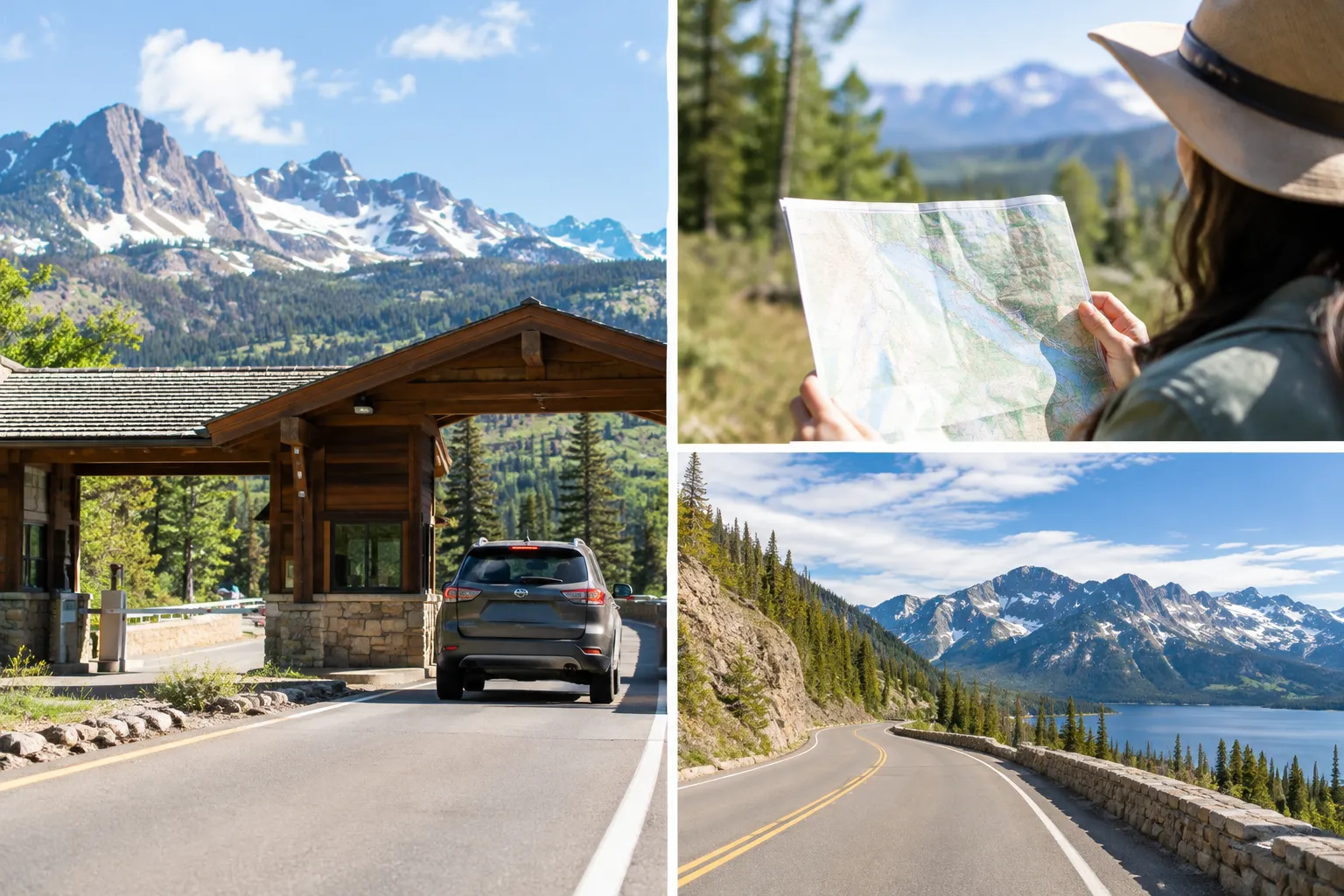
Access details can determine which route works and when. Before you book stays or lock in dates, check the current information for each park and the specific areas you plan to visit.
Confirm which entrance fits your route
Large parks may have multiple entrances, and they do not all lead to the same areas. Choose the entrance that fits your approach road and first planned stop. A lodging address near one entrance may be inconvenient if most of your activities are elsewhere.
Look up the entrance and road names, not just the park’s general location. Check how you will get from the entrance to your intended sights, and whether you can travel through the park to reach the next overnight stop. If a route depends on crossing the park, verify that the road is open and suitable for your vehicle and dates.
Look up timed entry and other reservation rules
Some parks or activities may require advance reservations, timed entry, or separate bookings. Requirements can change by park, season, and year, so check the official park pages for your travel dates before finalizing the schedule.
Pay attention to what a reservation covers. Entry to a park, a campground, a shuttle, and a specific activity may have different rules. Note booking windows, arrival times, and what happens if you are late or plans change. Keep confirmations accessible offline in case you have limited service.
Verify seasonal roads before setting dates
A road shown on a map may close seasonally or become difficult to travel because of weather. Closures can affect the route itself and the activities available once you arrive. Mountain roads, high-elevation areas, and remote routes may be particularly sensitive to conditions.
Check each park’s current road and conditions updates, then review them again shortly before leaving. Build a backup plan for an overnight stop or sightseeing day if an important road is closed. If your dates are flexible, compare likely access and conditions across seasons rather than assuming every route is open year-round.
Plan overnight stops, fuel, and supplies
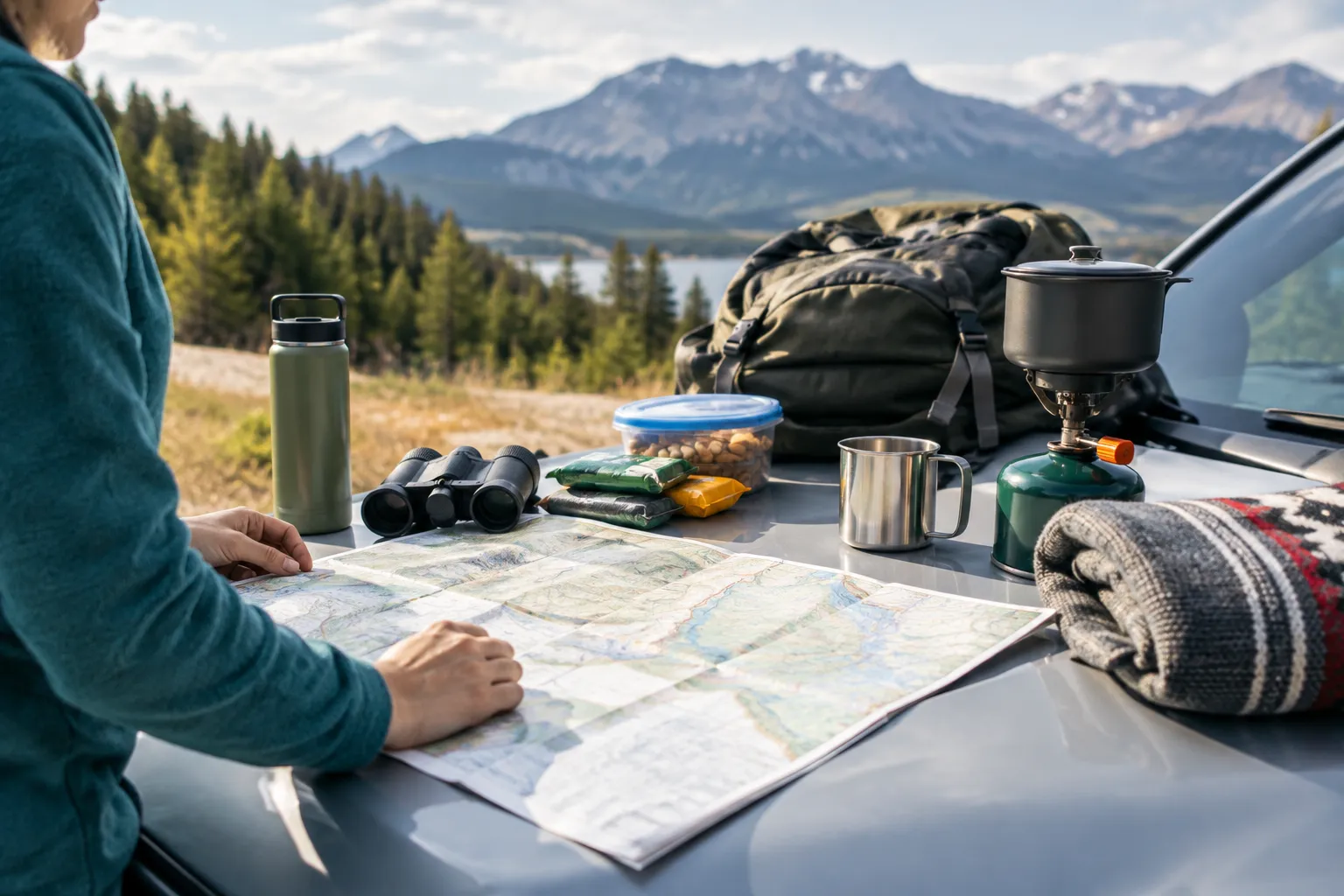
Where you sleep affects more than comfort: it changes your morning drive, evening arrival, and time available in the park. In remote areas, planning basic supplies and fuel stops also helps prevent avoidable detours.
Compare park lodging with gateway towns
Staying inside a park can put you closer to the places you want to visit, but availability and rules vary. A gateway town may offer more lodging options or useful services, though it can add driving time at the start and end of each day.
Compare the full day, not just the nightly location. Estimate the drive from the lodging to your planned activities, and consider how often you would need to enter and leave the park. If you use a town as a base for more than one park, check whether it actually reduces driving or simply shifts it to early mornings and evenings.
Make a shortlist of possible overnight locations before booking. For each one, note the park entrance it serves, the road you will use, and whether you need to move lodging for the next leg.
Check fuel and services between parks
Identify fuel, food, water, and other essentials along longer driving legs. Do not assume that a service shown on a map will be open when you arrive; check hours and availability when practical, especially for remote stretches.
Start a long drive with enough fuel for the route you have planned, and avoid relying on a single stop if a closure or detour could leave you with few alternatives. Carry drinking water and basic road supplies appropriate to your trip, and download maps or directions for areas where you may lose mobile service.
Use sample route structures as a starting point
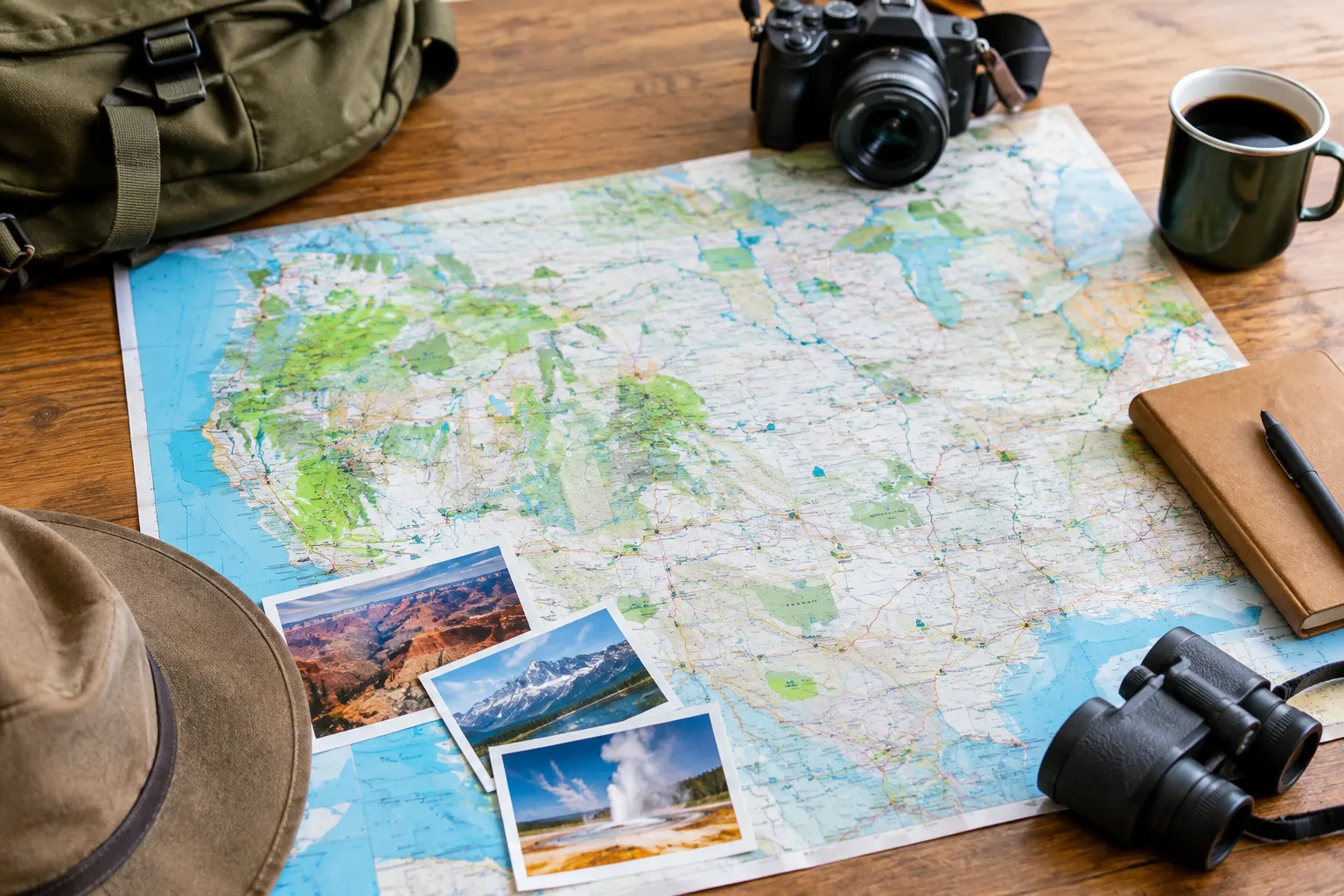
A route structure is a framework, not a fixed itinerary. Use it to organize the order of parks, towns, and driving days, then check distances, access, and current conditions for your dates.
Link nearby parks with a gateway-town base
Choose two parks that are practical to connect, then identify a town or lodging area that serves your planned visits. Spend enough nights to explore without packing every morning. This structure works best when the base reduces repeated long drives and offers a sensible route to each park.
Before committing, compare the drive from the base to each park entrance and the travel time between the park areas you want to see. If one park requires a much longer approach, consider an overnight stop closer to it rather than forcing every day to begin with a lengthy drive.
Pair one major park with a slower scenic drive
Another option is to make one park the trip’s main destination and use a scenic road or a smaller nearby stop as the connection to it. This gives the trip variety without adding a long list of major stops.
For example, plan a day to travel from your arrival point to a gateway town, set aside a full day or more for the main park, and leave a separate day for the return or onward scenic route. Adjust the number of nights to fit the distance and activities. If you enjoy routes with more active outdoor stops, our guide to adventure-focused road trips offers additional ideas to adapt.
National Park Road Trip Planning FAQ
What is the best road trip itinerary to see all the US national parks?
There is no practical single itinerary for visiting every park in one ordinary vacation; distances, access, and seasonal conditions make a regional plan more manageable. Choose a region and build from there.
How long would it take to drive to every national park in America?
It would take far longer than a typical road trip, because parks are spread across the country and some require additional travel beyond the main highway route. A meaningful visit also requires time outside the car.
Has Trump defunded the national parks?
National park funding and staffing can change with government budgets and policy decisions. For current effects on access or services, check the specific park’s official alerts and updates before traveling.
What are the best months to visit national parks in the USA?
The best months vary by park, elevation, weather, and the activities you want to do. Check seasonal road access, conditions, and reservation rules for your chosen parks before setting dates.
What is the prettiest national park to visit?
There is no objective prettiest park; landscapes range from mountains and forests to deserts and coastlines. Choose based on the scenery and activities you most want, then allow enough time to experience them.
What are the biggest mistakes visitors make at national parks?
Common planning mistakes include underestimating drive times, overlooking entrance and reservation rules, and assuming seasonal roads are open. A flexible schedule and current park information help reduce those risks.
Can I drive a rental car on unpaved roads in national parks?
It depends on the rental agreement, vehicle, and specific road conditions. Check the rental terms and park road guidance before driving off pavement, and do not assume a standard rental is permitted on every unpaved route.
Is cell service reliable on national park road trips?
Cell service can be limited or unavailable in parts of parks and remote routes. Download maps and essential information in advance, and share your general itinerary with someone before heading into areas with weak coverage.
Turn your route into a flexible trip plan
Once you have chosen a region, check the entrances, road access, and reservation requirements for your dates. Reserve essential stays where needed, identify fuel and service stops, and leave space for a slower day or a change of plan.
A useful itinerary has enough detail to reduce uncertainty without treating every hour as fixed. Keep a main route and a simple backup for closures or delays, then confirm current conditions before each major drive. That approach makes national park road trip planning in the USA more practical—and leaves time for the parks themselves.