
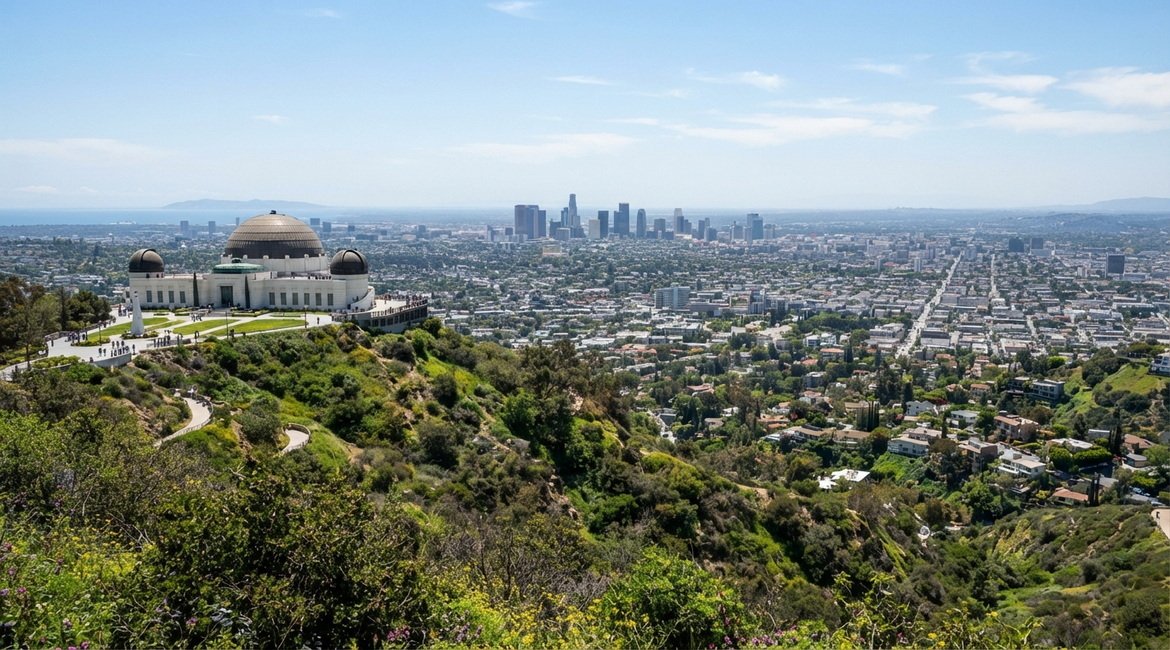
Los Angeles is a year-round destination, but the experience changes more by season — and by neighborhood — than many first-time visitors expect. Winter is mild but brings most of the city’s annual rainfall. Spring becomes increasingly dry and comfortable, making it one of the easiest seasons for sightseeing. Summer is warm, extremely dry and popular for beach trips, while early fall often keeps summer-like temperatures after the busiest vacation period begins to ease. There is another important factor: Los Angeles covers an enormous area. Weather near Santa Monica, Venice and LAX can be noticeably cooler than Downtown Los Angeles, Hollywood and inland neighborhoods on the same day. For many first-time visitors who want to combine sightseeing, beaches and outdoor activities, April, May, September and October are especially useful months to consider.
When Is the Best Time to Visit Los Angeles?
For a first Los Angeles vacation, spring and early fall offer some of the easiest conditions for building a varied itinerary. April and May are excellent for travelers who expect to spend a large part of the trip sightseeing. Temperatures are generally comfortable, rainfall drops sharply from winter levels and the intense heat that can affect inland areas later in the year is less likely. September and October offer a different advantage. The weather remains warm, beaches are still appealing and the main summer school-vacation period has ended. Summer works particularly well for travelers whose priorities include Santa Monica, Venice Beach, Malibu and other coastal areas. The coast is usually cooler than inland Los Angeles, making the difference between neighborhoods especially important when choosing where to stay. Winter should not automatically be dismissed. Los Angeles remains mild compared with many U.S. destinations, and winter can be excellent for museums, city sightseeing and outdoor activities between rain systems.
Los Angeles Weather at a Glance
Downtown Los Angeles provides a useful reference point for understanding the city’s seasons.
| Month | Avg. High | Avg. Low | Avg. Rainfall |
|---|---|---|---|
| January | 68°F | 49°F | 3.29 in |
| February | 68°F | 50°F | 3.64 in |
| March | 70°F | 52°F | 2.23 in |
| April | 72°F | 55°F | 0.69 in |
| May | 74°F | 58°F | 0.32 in |
| June | 77°F | 61°F | 0.09 in |
| July | 82°F | 65°F | 0.02 in |
| August | 84°F | 65°F | 0.00 in |
| September | 83°F | 64°F | 0.13 in |
| October | 79°F | 60°F | 0.58 in |
| November | 73°F | 53°F | 0.78 in |
| December | 67°F | 48°F | 2.48 in |
These are long-term climate averages for Downtown Los Angeles rather than a forecast for a particular trip. The pattern is more important than any individual number: winters are mild and wetter, while summers are warmer and exceptionally dry.
Coast vs. Inland: Why Location Matters
One of the biggest mistakes first-time visitors can make is treating “Los Angeles weather” as if it were identical across the entire city. The Pacific Ocean strongly influences coastal temperatures. Santa Monica, Venice, Marina del Rey and neighborhoods near LAX can be considerably cooler than Downtown Los Angeles and inland areas. In July, for example, the long-term average high in Downtown Los Angeles is around 82°F. Near Los Angeles International Airport, the normal July high is only about 75°F.
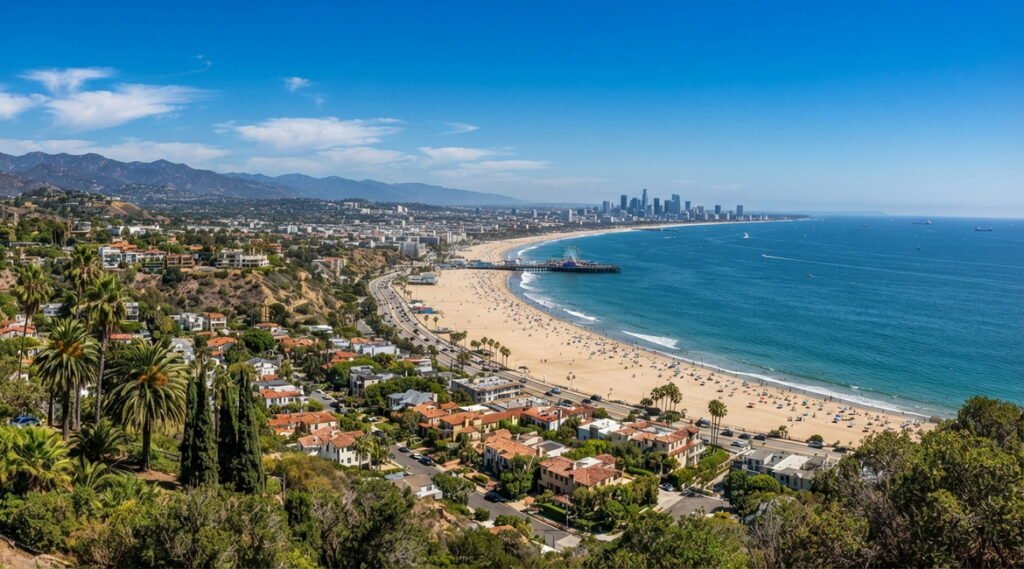
That difference matters when planning summer days. A comfortable afternoon beside the ocean can coincide with significantly hotter conditions farther inland. Spring also brings a coastal phenomenon often called May Gray or June Gloom, when low clouds can linger near the beaches during the morning before conditions brighten later. For a mixed itinerary, always check weather for the specific neighborhood you will visit rather than relying on one Los Angeles forecast.
January
January is mild by U.S. winter standards. Downtown Los Angeles averages around 68°F during the day and 49°F at night. It is also part of Southern California’s wetter season. Average January precipitation in Downtown Los Angeles is approximately 3.29 inches, so travelers should be prepared for the possibility of rainy days. That does not mean January is continuously wet. Los Angeles can have beautiful sunny winter periods between storms. For sightseeing, museums, neighborhoods and scenic drives, January can be comfortable. Beach walks can also be pleasant, but this is not the season to choose if your main goal is a classic hot-weather beach vacation.
February
February has similar temperatures to January. Downtown daytime highs average around 68°F, while nights average approximately 50°F. February is historically the wettest month in the Downtown Los Angeles 1991–2020 climate normals, averaging about 3.64 inches of precipitation. Actual conditions vary greatly from year to year. One February trip could contain several sunny days, while another could coincide with a Pacific storm system. The mild temperatures are useful for city sightseeing when conditions are dry.
March
March begins the transition toward Southern California’s long dry season. Average highs in Downtown Los Angeles reach approximately 70°F. Rain is still possible, but average precipitation falls from February’s levels. This is a comfortable month for travelers expecting to spend significant time outdoors.
Hillsides and landscapes can also appear greener following winter rainfall than they do during the dry summer and fall months. March works particularly well for sightseeing-focused trips where beach swimming is not the main priority.
April
April is one of the easiest months for exploring Los Angeles. Average Downtown highs reach around 72°F, while average precipitation drops below one inch. Temperatures are generally comfortable for walking through neighborhoods, visiting outdoor attractions and spending long days sightseeing. You also avoid the hottest inland conditions associated with late summer and early fall. The coast can remain cooler, particularly in the morning, so carrying a light layer is still useful. For a first-time visitor planning a busy itinerary across multiple parts of Los Angeles, April deserves serious consideration.
May
May continues the dry-season transition. Downtown Los Angeles averages a high around 74°F, while average rainfall is only about 0.32 inches. That makes May excellent for travelers who want reliable conditions for outdoor sightseeing. However, the coast can tell a different story.
Marine clouds are common during late spring, particularly during mornings near the ocean. A cloudy morning at Santa Monica does not necessarily mean the entire day will remain gray, and conditions several miles inland can be sunnier at the same time. May works particularly well for a trip combining city attractions with occasional beach days.
June
June is extremely dry. Downtown Los Angeles receives only around 0.09 inches of precipitation in an average June. Average daytime highs reach approximately 77°F Downtown. Near the coast, however, June mornings can frequently begin cloudy or overcast because of the marine layer. This is the origin of the familiar Southern California expression “June Gloom.” Conditions often improve as the day progresses, although some coastal days remain cloudy longer. Travelers staying near the beach should not assume June automatically means cloudless mornings every day.
July
July brings classic Southern California summer conditions. Downtown Los Angeles averages around 82°F during the day, while rainfall is almost nonexistent. Coastal areas remain noticeably cooler. That difference can make July especially useful for travelers who plan to divide their vacation between urban sightseeing and beach communities.
July also overlaps with school vacation, increasing demand at many popular family attractions and coastal destinations. If visiting major attractions, booking accommodation early and starting busy sightseeing days in the morning can make the trip easier.
August
August is the warmest month in the Downtown Los Angeles climate normals, with an average high around 84°F. Average rainfall is effectively zero. The coast usually remains cooler than Downtown and inland areas because of the Pacific Ocean. This makes August appealing for travelers who want beaches as a major part of the vacation. The tradeoff is summer demand. Popular beaches, attractions and family destinations can be busy, especially on weekends. Inland temperatures can also become much hotter during heat waves, so the specific neighborhood matters considerably.
September
September is one of the most interesting months for visiting Los Angeles. Downtown daytime highs average around 83°F, and rainfall remains extremely low. The Pacific Ocean has had the entire summer to warm, making September particularly attractive for travelers interested in coastal time.
At the same time, the main summer school-vacation period ends. That can make September appealing to travelers with flexible schedules. The main drawback is heat. Warm or hot conditions can persist inland, and occasional heat waves can produce temperatures well above monthly averages. For a trip emphasizing beaches and warm weather, September is a strong option. For extensive inland sightseeing, plan around the daily forecast.
October
October provides another attractive balance. Downtown Los Angeles averages around 79°F during the day, while rainfall remains low at approximately 0.58 inches. Temperatures generally become easier for sightseeing than during the hottest late-summer periods. The coast can still provide excellent weather, while evenings begin becoming cooler. October is particularly useful for travelers who want both urban sightseeing and coastal time without scheduling the trip during peak summer vacation. As always in Southern California, individual hot periods can still occur.
November
November marks the transition toward winter. Average Downtown highs fall to around 73°F, while nights average approximately 53°F. Rainfall begins increasing but remains much lower on average than in December through March. The cooler weather can be excellent for travelers who expect to spend most of the trip sightseeing rather than sitting on the beach.
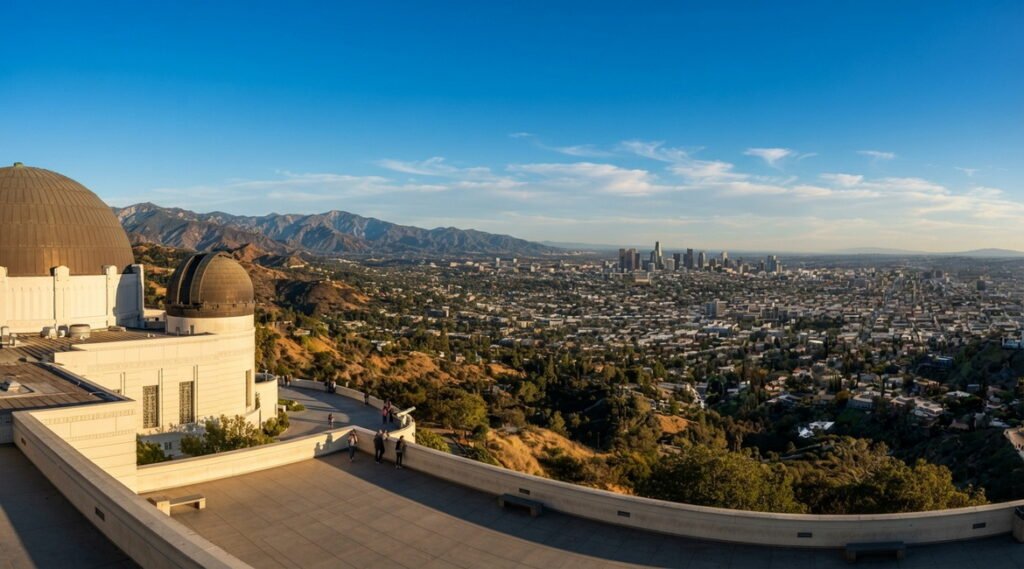
Clear days can provide beautiful views across the Los Angeles Basin. A light jacket becomes increasingly useful for evenings and coastal areas.
December
December remains mild compared with most of the United States. Downtown highs average around 67°F, while nights average approximately 48°F. Average precipitation increases to about 2.48 inches as Los Angeles moves into its wetter season. For travelers focused on museums, neighborhoods, restaurants and general sightseeing, December can still work very well. Beach communities remain enjoyable for walks and sunsets, although this is not a typical warm-water beach vacation. Holiday periods can also increase visitor demand, so exact dates matter when comparing accommodation.
Best Time for Sightseeing
April, May, October and November are particularly convenient for sightseeing. These months avoid much of the winter rainfall while generally providing more comfortable temperatures than the hottest inland summer periods. April is especially easy for a first trip. You can spend long days moving between neighborhoods without designing the entire schedule around afternoon heat. May is similarly comfortable, although coastal mornings can be cloudy. October remains warmer and works particularly well if you also want beach time. November is cooler and better suited to travelers who prioritize neighborhoods, museums and viewpoints over swimming.
Best Time for Beaches
July through October is the most natural period to consider if Los Angeles beaches are a major part of your vacation. Summer provides dry weather and warmer conditions, while September and early October can combine warm weather with fewer school-vacation travelers. But Los Angeles beaches are different from tropical Florida beaches. The Pacific Ocean remains relatively cool even during summer.
Many travelers enjoy swimming during summer and early fall, but visitors expecting Caribbean-style water temperatures may find the Pacific cooler than anticipated. Winter beaches are still worth visiting for scenery, walking and sunsets.
Best Time for Families
Families often visit Los Angeles during spring break and summer because those periods align with school schedules. Summer provides the most predictable dry weather, which is useful when planning theme parks, beaches and outdoor attractions. The downside is demand and heat in inland areas. Families with flexible schedules may find April, May, September and October easier. These months can provide warm weather while avoiding part of the peak summer vacation period.
Because Los Angeles attractions are spread across a very large area, families should also think about location rather than weather alone. Choosing accommodation near the attractions you plan to visit most frequently can save significant time in traffic.
Best Time for Fewer Crowds
Los Angeles does not have a single crowd season because different areas attract different visitors. Beach communities become particularly popular during summer. Major family attractions become busier during school vacations. Holiday periods can affect accommodation demand, while major events can influence individual neighborhoods. For travelers with flexible dates, late spring and early fall can provide useful alternatives to peak summer travel. September becomes especially interesting after schools resume, although warm weather continues. October can provide another comfortable compromise. The best strategy is to avoid major holiday weekends and check the event calendar for the specific neighborhoods and attractions on your itinerary.
Best Time for Lower Prices
Los Angeles accommodation prices vary enormously by neighborhood, hotel type, weekday, event calendar and season. There is no single month that guarantees the lowest prices across the entire metropolitan area. Instead, compare several travel windows. Periods outside summer vacation, spring break and major holidays can sometimes provide better value. Location can have an even greater impact than season. A hotel near Santa Monica, for example, operates in a different accommodation market from one in Downtown Los Angeles or another inland neighborhood. Compare the total trip cost rather than the nightly hotel rate alone. Parking, rideshares, rental cars and travel time between attractions can significantly change the real cost of staying in a cheaper but inconvenient location.
Rainy Season in Los Angeles
Los Angeles has a Mediterranean-style seasonal rainfall pattern. Most precipitation falls during the cooler part of the year, while summer is extremely dry. Based on 1991–2020 Downtown Los Angeles climate normals, February averages about 3.64 inches of rain, January about 3.29 inches and December about 2.48 inches. Compare that with only 0.09 inches in June, 0.02 inches in July and essentially zero average rainfall in August. That does not mean every winter trip will be rainy. Southern California rainfall varies significantly from year to year, and winter often includes long stretches of pleasant weather. It does mean travelers visiting from December through March should build slightly more flexibility into outdoor plans.
How Many Days Do You Need?
Los Angeles rewards a longer stay because attractions are spread across such a large area. Three days is enough for a focused introduction, but it requires careful choices. Four or five days is much more comfortable for most first-time visitors. You can dedicate different days to central attractions, the coast and other neighborhoods without constantly rushing across the city. Six or seven days provides enough time to slow down and add places farther from your accommodation.
| Trip Length | What It Works For |
|---|---|
| 2 days | Very focused city break |
| 3 days | Major first-time highlights |
| 4–5 days | Comfortable first Los Angeles trip |
| 6–7 days | City + coast + slower neighborhood exploration |
| 8+ days | Los Angeles plus surrounding Southern California |
Avoid planning Los Angeles as if attractions that look close on a map will always be quick to reach. Traffic and the size of the metropolitan area make geographically grouping each day’s activities especially useful.
FAQ About Visiting Los Angeles
What is the best month to visit Los Angeles?
April and October are particularly useful months for first-time visitors. April provides mild temperatures and low average rainfall, while October remains warm and can work especially well for travelers combining city sightseeing with time along the coast.
What are the hottest months in Los Angeles?
July through September are generally the warmest period in Downtown Los Angeles, with August having the highest average daytime maximum in the 1991–2020 climate normals. Coastal areas are typically cooler than Downtown and inland neighborhoods.
When is the rainy season in Los Angeles?
Most Los Angeles rainfall occurs from late fall through early spring. December through March receives far more precipitation on average than summer, while July and August are exceptionally dry.
Is summer a good time to visit Los Angeles?
Yes. Summer is extremely dry and works particularly well for coastal activities. However, popular attractions can be busy during school vacation and inland neighborhoods may become much hotter than the beaches.
Can you go to the beach in Los Angeles in winter?
Yes. Los Angeles beaches remain excellent for walking, sunsets and coastal sightseeing in winter. Air and ocean temperatures are cooler, however, so winter is less suitable for travelers expecting a traditional warm-water beach vacation.
How many days are enough for Los Angeles?
Four or five days is a comfortable starting point for most first-time visitors. Three days can cover selected highlights, while six or seven days makes it easier to combine major attractions, beaches and several different neighborhoods without rushing.
Recommended Next Steps
Start by deciding whether your Los Angeles vacation will focus primarily on sightseeing, beaches or a combination of both. For a first trip centered on major attractions and neighborhoods, April and May provide particularly comfortable conditions. Rainfall is much lower than during winter, while temperatures are generally easier for long sightseeing days than during the hottest part of the year. For a stronger city-and-beach combination, consider September or October. The weather remains warm, the Pacific has had the summer to warm up and the main school-vacation period has ended. Choose July or August if beach time is a major priority and summer is the easiest time for your family to travel. Just remember that temperatures can differ significantly between coastal and inland Los Angeles. Winter can also be worthwhile, especially for travelers interested in museums, neighborhoods, viewpoints and city attractions rather than swimming. For most first-time visitors, plan at least four or five days. Los Angeles is too spread out to treat like a compact city break, and adding one or two extra days can dramatically reduce the amount of time spent rushing between distant neighborhoods. Whatever month you choose, check the forecast for the specific parts of Los Angeles on your itinerary. On the same summer afternoon, Santa Monica and an inland neighborhood can provide noticeably different weather.