
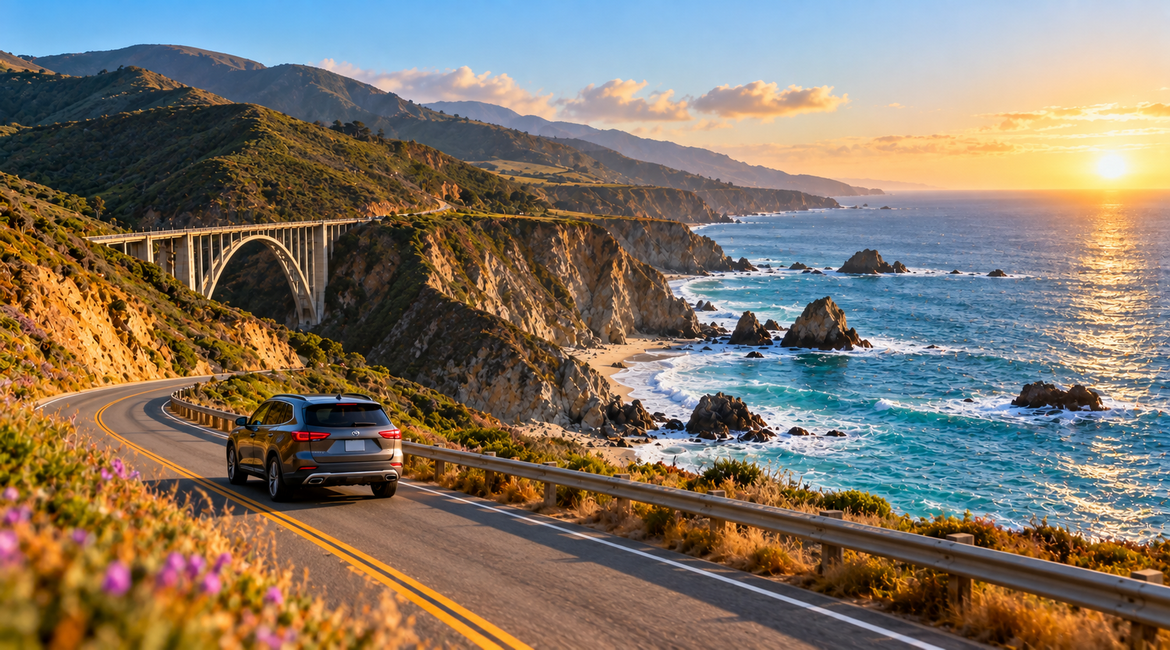
California seems designed for road trips. Few places let you combine a famous city, giant granite cliffs, redwood forests, Pacific beaches, desert landscapes and another major city within a single vacation. The challenge is not finding places worth visiting. It is deciding what to leave out. Ten days is enough for an excellent first California road trip, but only if you resist the temptation to visit everything. This itinerary begins in San Francisco and finishes in San Diego, creating a mostly one-way journey through some of the state’s most recognizable landscapes. Along the way, you will experience the Monterey Peninsula, Big Sur, Yosemite National Park, Los Angeles and Joshua Tree National Park. It is a busy itinerary, but the driving has been divided so that most days still leave meaningful time for sightseeing.
California Road Trip at a Glance
| Day | Route | Highlights |
|---|---|---|
| 1 | San Francisco | Golden Gate Bridge, waterfront, cable cars |
| 2 | San Francisco → Monterey | Pacific coast, Monterey, Carmel |
| 3 | Big Sur | Bixby Creek Bridge, cliffs, coastal viewpoints |
| 4 | Monterey → Yosemite | Central California, Yosemite Valley |
| 5 | Yosemite | Granite cliffs, waterfalls, meadows |
| 6 | Yosemite → Los Angeles | Scenic drive, Los Angeles evening |
| 7 | Los Angeles | Hollywood, Griffith Observatory, Santa Monica |
| 8 | Los Angeles → Joshua Tree | Desert landscapes, Joshua trees, sunset |
| 9 | Joshua Tree → San Diego | Desert morning, San Diego waterfront |
| 10 | San Diego | Balboa Park, La Jolla, Pacific sunset |
Day 1 — San Francisco
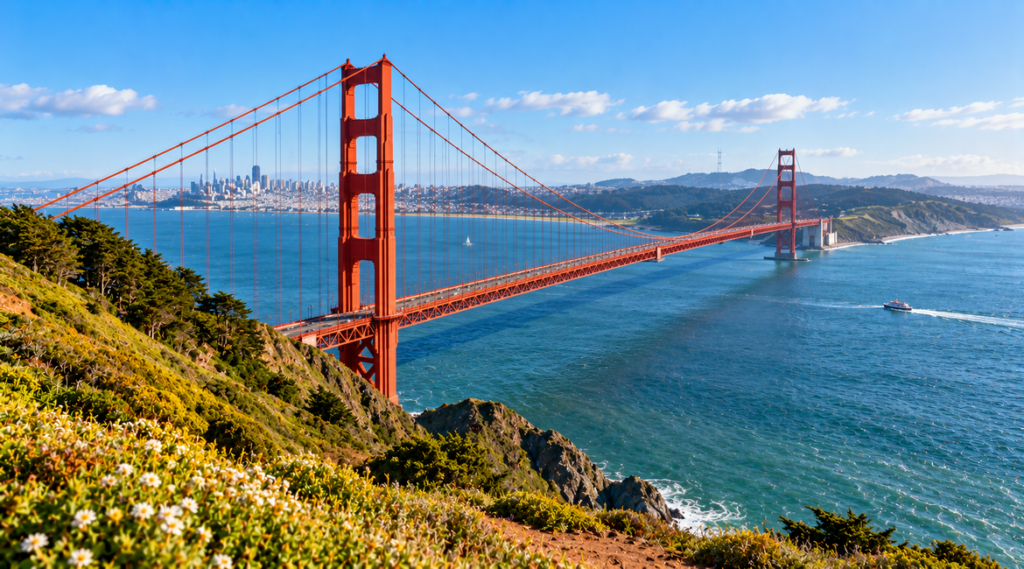
Begin your California road trip in San Francisco. If you arrive by air, consider waiting before collecting your rental car. Parking can be expensive and inconvenient, and most of the major sights on your first day are easier to reach using public transportation, walking or rideshare services. Start with the Golden Gate Bridge. Spend some time at the viewpoints on the San Francisco side and walk part of the bridge if the weather is comfortable. Then continue toward the northern waterfront. Explore Fisherman’s Wharf, look across the bay toward Alcatraz and walk along the waterfront. Later, ride one of San Francisco’s famous cable cars. If you have additional time, Chinatown or North Beach makes an easy evening addition. Do not try to see the entire city today. The goal is to experience a few classic San Francisco sights before the road trip begins. Overnight: San Francisco.
Day 2 — San Francisco to Monterey & Carmel
Pick up your rental car and leave San Francisco in the morning. Your destination is the Monterey Peninsula. The fastest route is not necessarily the reason to make this drive. Give yourself time to enjoy the changing scenery as the dense Bay Area gradually gives way to the coast. Once you reach Monterey, explore the waterfront and historic areas. Families may prefer making the Monterey Bay Aquarium the main attraction of the afternoon. Later, continue toward Carmel-by-the-Sea. Carmel is smaller and feels very different from San Francisco. Walk around the compact center and finish near Carmel Beach if the weather cooperates. This is also a good point to slow down. Tomorrow is devoted to one of California’s most famous stretches of coastline. Overnight: Monterey or Carmel.
Day 3 — Big Sur
Big Sur is not one attraction. It is the experience of traveling through an extraordinary landscape where the Santa Lucia Mountains meet the Pacific. Leave Monterey or Carmel in the morning and follow Highway 1 south. Bixby Creek Bridge is one of the most recognizable stops. Continue toward additional coastal viewpoints and natural areas, but avoid creating a schedule that requires stopping every few miles. Big Sur works best when you have time to stop selectively. Some viewpoints deserve five minutes. Others may convince you to stay much longer. Important: Highway 1 conditions can change because of wildfires, landslides, storms and construction. Always check the current Caltrans road status immediately before your trip. If the highway is closed farther south, enjoy the accessible northern section of Big Sur and return toward Monterey rather than trying to force a through-route. This itinerary does not depend on Highway 1 being completely open from Monterey to Southern California. That is important because the next destination is Yosemite, which requires heading inland anyway. Overnight: Monterey/Carmel area or another suitable lodging location based on current road access.
Day 4 — Monterey to Yosemite
Today trades the Pacific for the Sierra Nevada. Leave the Monterey area early because this is one of the longer driving days. The landscape gradually changes as you cross central California and approach the mountains. Try to arrive with enough daylight left for your first look at Yosemite Valley. Do not schedule an ambitious hike after a long drive. Instead, use the afternoon or early evening to get oriented. Walk through the valley, enjoy the meadows and look up at the enormous granite walls surrounding you. Yosemite Valley is one of those landscapes whose scale is difficult to understand from photographs. Seeing it for the first time is enough of an experience for Day 4. Overnight: Yosemite National Park or nearby.
Day 5 — Yosemite National Park
Give Yosemite an entire day. Start early. Popular areas become considerably busier as the morning progresses. For a first visit, Yosemite Valley provides more than enough scenery for one day. Look for views of Half Dome, El Capitan, Yosemite Falls and the surrounding cliffs. Walk through the valley and use the park shuttle where appropriate rather than repeatedly moving your car between nearby locations. The amount of water in Yosemite’s waterfalls varies dramatically by season. Spring generally produces the strongest flows as snow melts. By late summer and fall, some waterfalls can be much smaller or dry. As of 2026, you do not need an advance vehicle reservation simply to enter Yosemite National Park. You still need to pay the applicable entrance fee, and accommodation or camping should be arranged well ahead of time. Do not confuse entrance rules with permits for specific activities. Some activities and overnight wilderness trips have separate permit requirements. For a normal sightseeing day, keep the plan simple and enjoy the valley. Overnight: Yosemite area.
Day 6 — Yosemite to Los Angeles
This is primarily a transition day. Leave Yosemite after breakfast and begin the journey south toward Los Angeles. It is a substantial drive, so avoid filling the day with unnecessary detours. Stop for meals and breaks along the way and aim to arrive in Los Angeles before the evening becomes too late. Once checked in, keep your plans simple. Have dinner, explore the neighborhood around your hotel or head toward a nearby viewpoint if you arrive with enough daylight. Los Angeles is enormous. Where you stay has a major effect on how much time you spend driving tomorrow. Choose your hotel based on the attractions you actually plan to visit rather than simply selecting the cheapest option anywhere in the metropolitan area. Overnight: Los Angeles.
Day 7 — Los Angeles
A single day is not enough to see Los Angeles completely. So do not try. Choose two general areas. For a classic first visit, spend the morning around Hollywood and Griffith Observatory. The Griffith area gives you broad views over the city and a completely different perspective on Los Angeles. Afterward, move toward the coast. Santa Monica makes an easy focal point for the afternoon. Walk beside the Pacific, explore the waterfront and stay for the evening if the weather is good. Venice can also be added if you have enough time and energy. The biggest mistake in Los Angeles is treating every attraction as though it is five minutes from the next one. Traffic and distance matter. A shorter list of places usually creates a much better day. Overnight: Los Angeles.
Day 8 — Los Angeles to Joshua Tree
Leave Los Angeles and head east. Within a few hours, the urban landscape gives way to one of California’s most distinctive desert environments. Joshua Tree National Park protects landscapes where the Mojave and Colorado deserts meet. Its Joshua trees, enormous rock formations and open horizons make it unlike anything earlier in this itinerary. Spend the afternoon exploring accessible viewpoints and roadside landscapes. Avoid trying to cover every corner of the park. The distances inside Joshua Tree are larger than they initially appear. Plan your route before entering and carry the food and water you need. The National Park Service notes that there are no restaurants, grocery stores or gas stations inside the park, and water is not available in the interior. Cell reception is also limited. Finish around sunset if conditions and your schedule allow. The changing light across the rocks and Joshua trees can become one of the most memorable moments of the road trip. Overnight: Joshua Tree, Twentynine Palms or Palm Springs area.
Day 9 — Joshua Tree to San Diego
Wake up early enough to enjoy a final look at the desert before continuing south. Joshua Tree National Park itself is open 24 hours a day, although individual facilities and day-use areas can have their own schedules. As of September 2026, the standard private-vehicle entrance pass is $30 and is valid for seven days. After leaving the desert, drive toward San Diego. By afternoon, you will be back near the Pacific. Spend your first San Diego hours around the waterfront or Balboa Park rather than trying to complete an entire sightseeing itinerary immediately after the drive. If you prefer the coast, head toward Coronado for an easy evening beside the water. After San Francisco, Yosemite, Los Angeles and the desert, San Diego’s relaxed coastal atmosphere makes a pleasant final stage of the trip. Overnight: San Diego.
Day 10 — San Diego
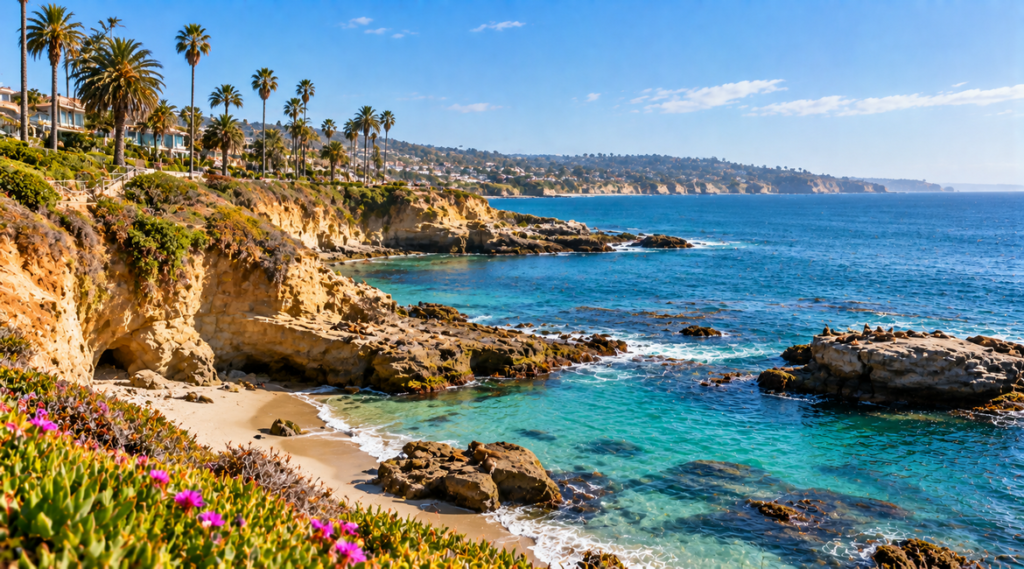
Finish the road trip with a full day in San Diego. Start around Balboa Park. The park’s gardens, architecture and museums make it easy to adjust the morning based on your interests. Families may choose San Diego Zoo as the main attraction, although it deserves enough time that you should not combine it with too many other major stops. Later, head toward La Jolla. The coastline here provides cliffs, coves and Pacific views very different from the beaches around Los Angeles. Walk around the coastal area and watch for marine wildlife from an appropriate distance. If you still have time, finish the road trip at one of San Diego’s beaches. Watching the sun drop toward the Pacific makes a fitting end to ten days across California. In one trip, you have traveled from San Francisco Bay to Big Sur, crossed into the Sierra Nevada, visited Los Angeles, entered the desert and returned to the Pacific in San Diego. That is what makes California such an extraordinary road-trip destination.
How Much Driving Is Involved?
This is a real road trip. You should expect several substantial driving days. The longest sections are generally Monterey to Yosemite and Yosemite to Los Angeles. Los Angeles to Joshua Tree and Joshua Tree to San Diego are more manageable, although traffic can change travel times significantly. Do not calculate your schedule using driving time alone. Fuel stops, meals, traffic, road construction and scenic stops all add time. The Big Sur section is a perfect example. A map may show a relatively modest distance, but the point of Highway 1 is to stop and enjoy the scenery. If you only care about reaching the next hotel as quickly as possible, you are missing the reason for taking the coastal route.
Where to Stay Along the Route
For a ten-day trip, changing hotels is unavoidable. The important thing is choosing locations that reduce unnecessary backtracking. Night 1: San Francisco Nights 2–3: Monterey or Carmel Nights 4–5: Yosemite area Nights 6–7: Los Angeles Night 8: Joshua Tree, Twentynine Palms or Palm Springs area Night 9: San Diego If possible, book Yosemite first. Accommodation inside and near the park can be difficult to find during popular periods. Once Yosemite is fixed, organize the rest of your hotel dates around it. For Los Angeles, location matters more than many first-time visitors expect. Staying near the attractions you actually want to see can save a significant amount of time.
Best Time for This California Road Trip
There is no single perfect month because this route crosses very different climates. Spring brings greener landscapes and stronger waterfalls in Yosemite, while the desert can still be relatively comfortable. Summer provides long daylight hours but also larger crowds, potentially intense inland and desert heat, and busy national parks. Early fall can be excellent along much of the coast. However, wildfire conditions can affect California roads and outdoor destinations during parts of the year. Winter changes the trip significantly. Snow can affect Sierra Nevada roads, while some high-elevation routes around Yosemite close seasonally. Joshua Tree, on the other hand, is generally more comfortable during cooler months. For a first trip covering this exact route, late spring or early fall often provides a useful balance, but always check current conditions for Yosemite, Big Sur and Joshua Tree immediately before traveling.
What to Pack
California’s climate changes dramatically along this route. Useful items include:
- Comfortable walking shoes
- Light jacket for San Francisco and the coast
- Warmer layer for Yosemite
- Sun protection
- Reusable water bottles
- Small day bag
- Portable phone charger
- Offline maps
- Beach clothing
- Extra water for desert driving
Do not pack for “California weather” as though the entire state has one climate. A foggy morning in San Francisco, a cool night near Yosemite and a hot afternoon in the desert can occur within the same road trip. Layers are the easiest solution.
California Road Trip Tips
Book Yosemite accommodation first. That is the part of this itinerary most likely to influence your exact dates. Do not keep a rental car in San Francisco unless you actually need it. Picking it up when you leave the city can save parking costs and inconvenience. Check Highway 1 immediately before driving Big Sur. Do not rely on an article, an old map or a travel video to tell you whether the road is open. Download offline maps before national parks and remote coastal areas. Keep water in the vehicle, especially when traveling through inland and desert regions. Avoid creating a minute-by-minute itinerary. California traffic makes that unrealistic. And most importantly, leave space for spontaneous stops. The beach you did not know existed or the viewpoint you discover while driving may become more memorable than the attraction you planned months in advance.
FAQ About a 10-Day California Road Trip
Is 10 days enough for a California road trip?
Yes, if you choose a focused route. Ten days are enough to combine San Francisco, the Monterey Peninsula, Big Sur, Yosemite, Los Angeles, Joshua Tree and San Diego, but the itinerary will be active. Trying to add several more major destinations would make the trip unnecessarily rushed.
Should you drive north or south?
Either direction works, but San Francisco to San Diego creates a natural north-to-south progression and finishes with Southern California beaches and warmer coastal scenery. Your flight prices and rental-car arrangements may ultimately determine which direction makes more sense.
Do you need a rental car?
Yes for the road-trip portion. You can explore San Francisco without one, so picking up the car when leaving the city is often more convenient. Keep the vehicle through Monterey, Yosemite, Los Angeles, Joshua Tree and San Diego.
Can you drive Highway 1 through Big Sur?
Highway 1 access can change because of landslides, construction, storms or wildfires. Never assume the complete coastal route is open based on an older itinerary. Check official Caltrans conditions immediately before your drive and adjust the Big Sur day if necessary.
Do you need a reservation for Yosemite?
As of 2026, an advance vehicle reservation is not required simply to enter Yosemite National Park. The entrance fee still applies. Lodging and camping should be reserved well ahead, while some specific activities and wilderness trips have separate permit requirements.
What if you want a slower road trip?
Remove one major destination. Skipping Joshua Tree, for example, gives you an additional night that can be added to Yosemite, Los Angeles or San Diego. A slower alternative is to focus entirely on San Francisco, Monterey, Big Sur, Los Angeles and San Diego.
Recommended Next Steps
For a first California road trip, keep the basic route: San Francisco → Monterey & Carmel → Big Sur → Yosemite → Los Angeles → Joshua Tree → San Diego Reserve your Yosemite accommodation first. Then arrange your one-way rental car and hotels around those dates. Before leaving San Francisco, check the current Yosemite conditions. Before driving Big Sur, check Highway 1. Before entering Joshua Tree, make sure you have enough water, fuel and downloaded maps. Most importantly, do not measure the success of this trip by how many attractions you manage to visit. California is at its best between the destinations. The winding coastal highway, sudden Pacific viewpoints, changing mountain landscapes and transition from city to desert are as much a part of the experience as the famous places themselves. Ten days will not show you all of California. But they are enough to experience several completely different versions of the state — and create one unforgettable road trip.