
California Wine Country Weekend Itinerary: Napa vs. Sonoma 2026-2027 (Customize It Your Way)
📊 Key Facts
- Napa Valley runs 30 miles north-to-south with Highway 29 and Silverado Trail
- Key Napa towns: Napa, Yountville, St. Helena, and Calistoga each offer distinct experiences
- Sonoma is broader and more spread out with multiple sub-regions
- Guide provides customizable itinerary based on budget, travel style, and wine preferences
- Itinerary designed for 2026-2027 weekend trips from various California locations
Let’s be honest — most wine country itineraries hand you a rigid 3-day schedule and call it done. But Napa and Sonoma are two very different experiences, and the “right” weekend depends entirely on what kind of traveler you are. This guide skips the one-size-fits-all approach and gives you a decision-making framework so you can build the weekend that actually fits your vibe, your wallet, and your wine curiosity.
Whether you’re flying in from New York, road-tripping up from Los Angeles, or hopping over from San Francisco for a long weekend, this is your insider playbook.
First: Understand the Geography (It Changes Everything)
Napa Valley and Sonoma Valley are neighbors but they’re not the same place — and the geography matters before you plan a single tasting.
Napa Valley runs roughly 30 miles north-to-south, with the main arteries being Highway 29 (busier, more commercial) and the Silverado Trail (quieter, more scenic, runs parallel on the eastern side). Key towns include:
- Napa — the southern gateway, great for first nights
- Yountville — tiny, walkable, loaded with Michelin-starred restaurants
- St. Helena — boutique shopping, historic charm, mid-valley
- Calistoga — northern end, known for spas and mud baths
Sonoma is broader and more spread out. It includes multiple sub-regions — Sonoma Valley, Russian River Valley, Healdsburg area, and more. Key towns:
- Sonoma (town) — centered around a historic plaza, laid-back atmosphere
- Healdsburg — upscale, food-forward, increasingly trendy
- Sebastopol — artsy, more under-the-radar
Distance from San Francisco: Both regions are about 60–90 minutes by car, depending on traffic. Golden Gate Bridge to Napa: ~75 minutes. San Francisco to Sonoma town: ~60 minutes. To Healdsburg: ~90 minutes.

Napa vs. Sonoma: The Honest Comparison
| Factor | Napa Valley | Sonoma |
|—|—|—||
| Vibe | Polished, destination-focused | Relaxed, locals-friendly |
| Dominant Varietals | Cabernet Sauvignon | Pinot Noir, Chardonnay, Zinfandel |
| Tasting Fees | $40–$150+ per person | $20–$75 per person |
| Reservation Required? | Almost always | Often, but more walk-ins available |
| Dining Scene | World-class (French Laundry, Ad Hoc, Bouchon) | Excellent, less formal |
| Crowds | High season = very crowded | Moderate; varies by sub-region |
| Best For | Special occasions, serious wine enthusiasts | First-timers, groups, budget travelers |
Should a first-time visitor spend more time in Napa or Sonoma? If budget matters, start with Sonoma — you’ll get more access, friendlier environments, and lower tasting fees. If you want the “iconic” California wine country postcard moment and have the budget for it, lean into Napa. Ideally? Split a weekend between both.
The Flexible Weekend Framework: Choose Your Path
Instead of locking you into one itinerary, here are three weekend styles. Pick the one that matches you.
🍷 Option A: The Classic Napa Focus (Luxury/Special Occasion)
Best for: Couples celebrating anniversaries, bucket-list travelers, serious wine collectors
Base: Stay in Yountville or St. Helena — central, walkable, and puts you within minutes of the best producers.
Day 1 — Friday Arrival
- Drive up after work (avoid Friday 4–7 PM Bay Area traffic — leave by 2 PM or wait until 7 PM)
- Check in, have dinner in Yountville. Bouchon Bistro is Thomas Keller’s more approachable spot; reservations recommended at least 2–3 weeks out
- Walk the town, grab a nightcap at a local wine bar
Day 2 — Saturday: Silverado Trail Day
- Skip Highway 29 traffic — take the Silverado Trail for your main tasting day
- Aim for 2–3 wineries max (more on that below)
- Lunch at a winery with a food program or pack provisions from Oxbow Public Market in Napa (local cheeses, charcuterie, artisan breads)
- Afternoon: Napa town stroll, Oxbow Market dinner options or a reservation at The Charter Oak in St. Helena
Day 3 — Sunday: Highway 29 + Departure
- Morning tasting at one more winery before checkout
- Stop at Castello di Amorosa (Calistoga area) if you want a visually dramatic castle winery — popular with first-timers
- Head home via Highway 29 south or loop through Sonoma for a brief detour
🌿 Option B: The Sonoma Explorer (Relaxed/Budget-Friendly)
Best for: First-timers, friend groups, travelers who want great wine without the formality
Base: Stay in Sonoma town or Healdsburg — the Sonoma Plaza area gives you walkable restaurants, shops, and a farmers’ market on weekends.
Day 1 — Friday
- Arrive in Sonoma, walk the Sonoma Plaza (lined with tasting rooms, shops, and casual restaurants)
- Dinner at The Girl & The Fig on the Plaza — French-Californian, reservations strongly recommended
- Evening: wine bar hop on the plaza (several tasting rooms stay open till 8 PM)
Day 2 — Saturday: Russian River Valley
- Head west toward Sebastopol and the Russian River Valley — Pinot Noir and Chardonnay country
- This sub-region is less crowded than Napa and has some of California’s most respected small producers
- 2–3 wineries, lunch at a local spot in Guerneville or pack a picnic
- Evening: dinner in Healdsburg — Baci Café for casual Italian or splurge at SingleThread (book 2+ months ahead — it’s that popular)
Day 3 — Sunday: Healdsburg + Departure
- Morning: stroll Healdsburg Plaza, coffee, local bakery stop
- One final tasting before heading south
- Option: stop at a farm stand or the Jimtown Store on your way back for local olive oil, preserves, and regional snacks
🗺️ Option C: The Two-Region Weekend (Best of Both)
Best for: Return visitors, people who hate FOMO, California locals doing a long weekend
Base: Split nights between Napa and Sonoma, OR pick one central base and day-trip. Driving between Napa and Sonoma Valley takes about 30–45 minutes via Highway 12.
- Friday night: Sonoma (more relaxed arrival vibe)
- Saturday: Full day in Napa (Silverado Trail route)
- Sunday: Morning in Sonoma/Healdsburg before driving home
This works well if you’re not trying to squeeze in maximum wineries — it’s more about experiencing both atmospheres than checking boxes.
Pro Tip: If you’re planning a longer California road trip around this, our California Wine Country Road Trip Weekend 2026-2027 guide has the full regional breakdown and road trip logistics covered.
How Many Wineries Can You Realistically Visit in One Day?
Two to three wineries per day is the sweet spot. Here’s why:
- Most tastings run 60–90 minutes (longer for seated or reserve experiences)
- Tasting flights typically include 4–6 pours — add lunch, driving, and just being present and a 4-winery day starts feeling like a job
- Palate fatigue is real — after winery three, you’re often not tasting as critically anyway
- Overcrowding yourself leads to rushed experiences at places that deserve your full attention
Schedule your tastings with buffer time. First one at 10–10:30 AM, second after lunch around 1:30 PM, optional third at 3:30 PM if you have the energy.
Winery Reservations: What You Need to Know
This is where a lot of first-timers get caught off guard.
- Napa: Reservations are essentially mandatory at most serious wineries, especially on weekends. Book 2–4 weeks ahead for popular ones; premium estates may require 4–8 weeks
- Sonoma: More flexible, but reservations are still recommended on Saturday/Sunday. Some tasting rooms downtown accept walk-ins
- Booking windows: Most wineries use Tock or ReserveBar for online booking — check these platforms first
- Cancellation policies: Many require 24–48 hour notice; some charge no-show fees especially for private experiences
First winery visit prep checklist:
- Book at least one winery in advance per day
- Eat before you go — wine on an empty stomach isn’t fun
- Bring water and drink it between tastings
- It’s okay to spit — that’s what the dump buckets are for, especially on a multi-winery day
- Don’t wear strong perfume or cologne; it interferes with aroma evaluation and is considered poor etiquette
- Ask questions — staff expect and enjoy it. There’s no such thing as a dumb wine question
Transportation: Car vs. Alternatives
Is a car rental necessary? Mostly yes — but here are your real options:
- Rental car: Most flexible, especially for Napa’s Silverado Trail or Sonoma’s scattered sub-regions. Expect $60–$120/day plus parking (generally free at wineries)
- Rideshare (Uber/Lyft): Available but surge pricing on weekend afternoons can be significant. Surge fares of $40–$80 per ride aren’t unusual between wineries in peak season
- Private driver services / Wine tours: Companies like Beau Wine Tours or Platypus Tours handle logistics for you — ideal for groups of 4–6 splitting the cost. Expect $250–$500+ for a full-day curated tour
- Shuttle services: Some hotels in Napa offer complimentary shuttles to nearby wineries — ask when you book
- Biking: Napa has a flat path system between downtown and Yountville — genuinely pleasant for a morning or afternoon
Designate a driver or use a service. Wine country DUI enforcement is active, and the wineries themselves will encourage responsible choices.
Dining Beyond the Tasting Room
Wine country’s food scene is as serious as its wine. Don’t skip it.
Napa dining picks:
- Oxbow Public Market (Napa) — casual, local vendors, perfect for lunch and grazing
- Bouchon Bistro (Yountville) — reliable Thomas Keller, great mussels and frites
- The Charter Oak (St. Helena) — wood-fired, seasonal, more approachable pricing than French Laundry
- French Laundry (Yountville) — the bucket list pick; book via Tock exactly 2 months out from your date at 10 AM — slots go in minutes
Sonoma dining picks:
- The Girl & The Fig (Sonoma Plaza) — French-Californian, great Rhône-style wine list
- Shed (Healdsburg) — farm-to-table café with a fermentation focus
- Campo Fina (Healdsburg) — casual Italian, wood-fired pizza, bocce court
Accommodation: Where to Base Yourself
| Budget Tier | Napa | Sonoma |
|---|---|---|
| Budget ($150–$250/night) | Napa town motels, B&Bs | Sonoma Valley Inn, smaller B&Bs |
| Mid-Range ($250–$450/night) | Napa Valley Lodge, Milliken Creek | Boon Hotel (Guerneville), Hotel Healdsburg |
| Luxury ($450+/night) | Meadowood, Auberge du Soleil, Carneros Resort | Montage Healdsburg, h2hotel |
For a split itinerary, Yountville is the best single base for Napa coverage. For Sonoma, Healdsburg gives you the best food-wine-town balance.
Best Time to Visit + Seasonal Realities
- Harvest Season (September–October): The most dramatic and beautiful time to visit — but also the most crowded and expensive. Book everything months in advance
- Spring (April–May): Mustard flowers, green hills, fewer crowds. One of the best-kept secrets in wine country timing
- Summer (June–August): Warm and busy; Highway 29 traffic on weekends can be genuinely frustrating
- Winter (December–February): Quieter, cooler, and wine country is still very much open. Great for spa visits, lower rates, and a more intimate tasting experience
Highway 29 congestion note: On summer and fall Saturdays, northbound traffic through St. Helena can back up significantly between noon and 4 PM. Plan winery visits in the morning or take the Silverado Trail as an alternate.
Beyond Wine: Alternative Activities
Not everyone in your group drinks wine (or wants it exclusively all weekend). Here’s what else wine country does well:
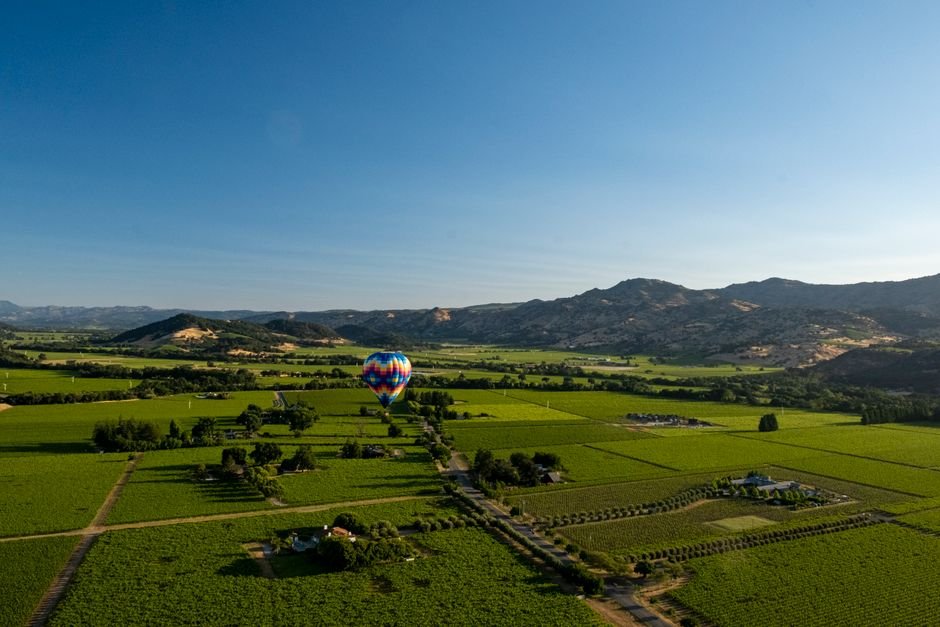
- Hot air balloon rides: Launch from Napa Valley at sunrise — Napa Valley Aloft and Balloons Above the Valley are established operators. Book weeks ahead; expect $250–$350 per person
- Hiking: Skyline Wilderness Park (Napa), Sugarloaf Ridge State Park (Sonoma) — both offer great valley views without a tasting fee
- Spa and wellness: Calistoga is famous for volcanic ash mud baths — Indian Springs and Dr. Wilkinson’s are the locals’ favorites
- Farmers’ markets: Healdsburg’s Tuesday and Saturday markets are genuinely excellent for local produce, artisan goods, and food vendors
- Olive oil and cheese tasting: Many Sonoma farms offer tastings of olive oil, artisan cheese, and charcuterie — a nice break from wine-only days
Quick Budget Reality Check
Here’s an honest weekend cost estimate per person (two people sharing):
| Category | Budget Option | Mid-Range | Splurge |
|---|---|---|---|
| Accommodation (2 nights) | $150–$200 | $300–$450 | $500–$900 |
| Tastings (2 days) | $80–$120 | $150–$250 | $300–$600 |
| Dining (2 dinners + lunches) | $100–$150 | $200–$350 | $400–$800+ |
| Transport/Gas | $50–$80 | $80–$150 | $150–$400 |
| Total Per Person | ~$380–$550 | $730–$1,200 | $1,350–$2,700 |
Planning More California + USA Travel?
If wine country is part of a bigger California or West Coast trip, we’ve got the routes mapped out. The California Nevada Road Trip Itinerary 2026-2027 pairs beautifully with a wine country stop, and our 7-Day California Coast Road Trip Itinerary 2026-2027 covers the full Pacific Coast Highway logic.
Flying in from further afield? We also have detailed city guides for those planning their first U.S. trip — including New York City budget breakdowns and Hawaii island hopping itineraries if wine country is one stop on a bigger adventure.
The Bottom Line
There’s no wrong way to do a California wine country weekend — there’s just a planned way and a chaotic way. The difference is knowing what you’re walking into: which region fits your budget and style, how many wineries are actually enjoyable in a day, and where to eat when you come up for air between tastings.
Use this framework, customize it to your group, and book the reservations before you do anything else. Wine country rewards the prepared traveler — and the one who shows up with a little curiosity and an appetite.