

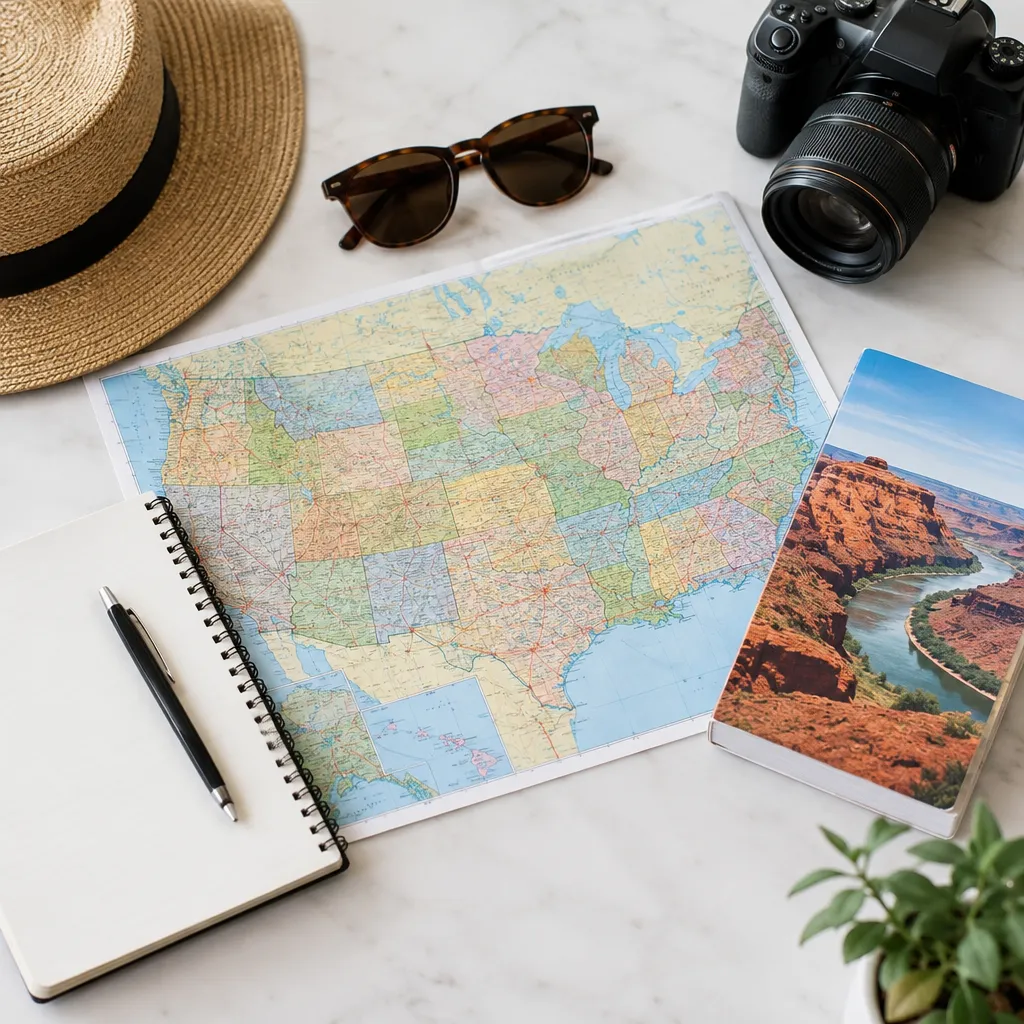
1. Check whether routes work for your trip length
A useful route should fit your available days, connect places in a sensible order, and show how you will travel between them.
Look for day-by-day pacing, travel-time estimates, and nearby stops—not just a string of destinations. A broad USA guide may help you choose a region, while a focused guide may offer more useful detail for a shorter route. The tradeoff is coverage: narrower scope can mean less help outside your chosen area.
2. Look for local context beyond the main attractions
Choose a guide that explains what changes from place to place, including neighborhood character, local customs, and practical details.
Attractions alone can leave a long trip feeling like a checklist. Look for context that helps you decide where to spend time and what to expect between major stops. For deeper cultural research, compare the guide’s scope with travel destinations in the United States for culture and history. A guide focused on logistics may offer less historical detail.
3. Verify costs against the way you plan to travel
A guide is more useful when it separates likely expenses by category and explains what can change the total.
Check whether it distinguishes transportation, lodging, activities, and entry fees. Then compare its figures with current official information for the places on your route, especially where reservations or fees may apply. A general estimate can help with early planning, but it may not match your dates, lodging choices, or travel style.
For national parks, review the National Park Service’s planning guidance on reservations, fees, alerts, and preparation. A printed or static guide may not reflect later changes.
4. Match seasonal advice to your travel dates
Seasonal guidance should connect your dates with weather, operating schedules, crowds, and conditions that may affect specific stops.
Check whether the guide explains which parts of a route are seasonal, rather than treating a destination as equally accessible year-round. For a trip built around a particular month, compare its advice with US travel destinations by season. General seasonal descriptions are a starting point, not confirmation of current conditions.
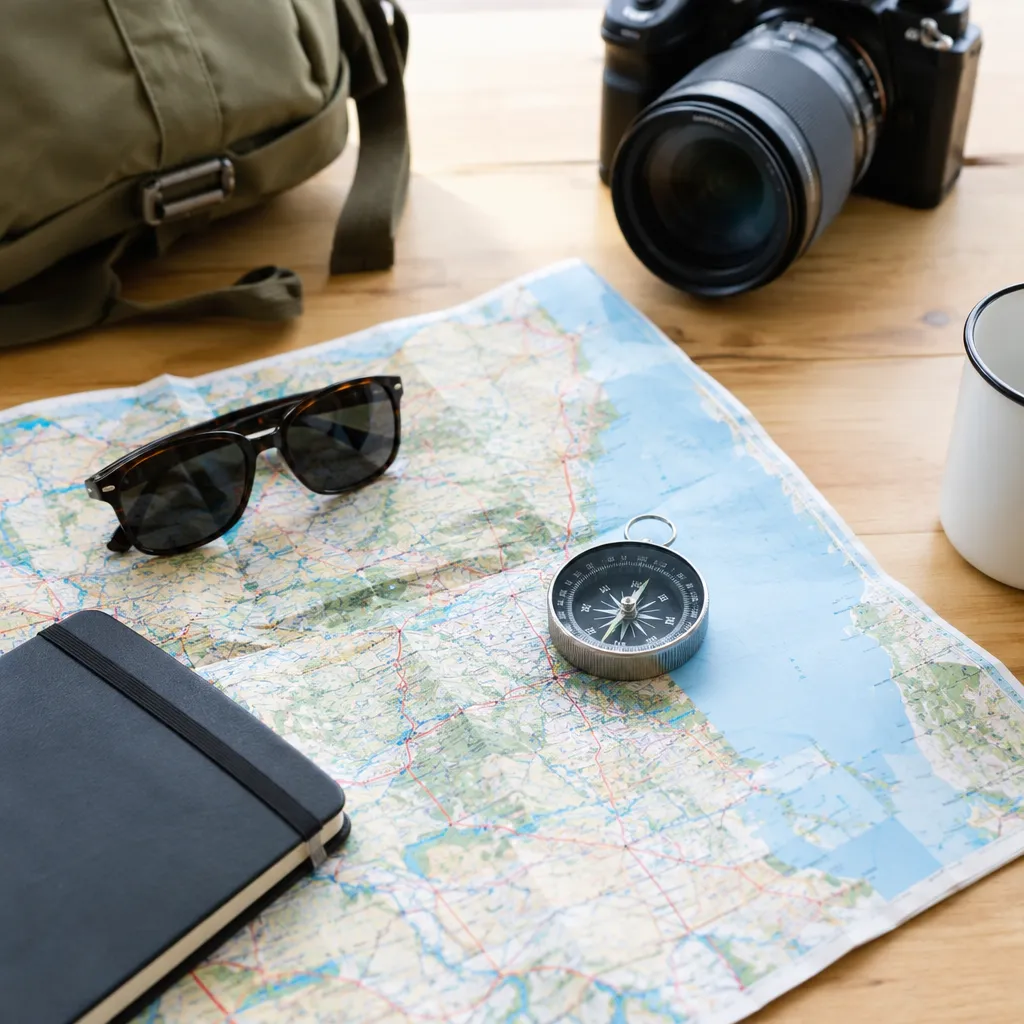
5. Test whether maps make navigation easier
Maps help most when their labels, scale, and route connections make distances and nearby stops easy to understand.
Check whether the guide includes regional overviews as well as local maps, and whether key roads and towns are legible at the size you will use. A map can support route planning, but it should not be your only source for current navigation or road conditions. Detailed maps also take space that could otherwise go to text.
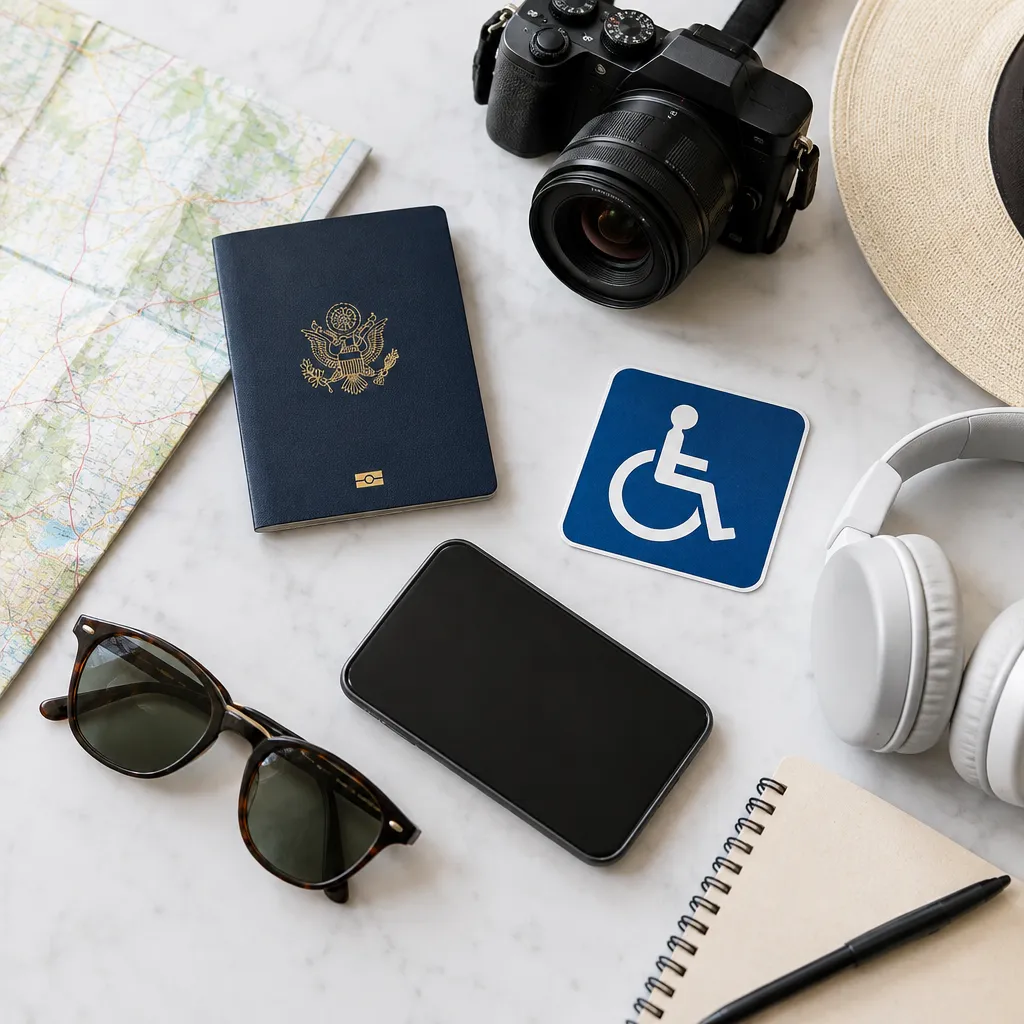
6. Check accessibility details for your needs
Choose a guide that gives specific access information, such as terrain, facilities, mobility considerations, and available transport.
Broad labels are less useful than details you can verify for a particular stop. Check whether the guide identifies the attraction or route, then confirm current access information with the destination before committing. This criterion suits travelers who need to plan around specific access requirements; the limitation is that guidebook details can become outdated.
7. Separate trip inspiration from actionable planning
A guide becomes actionable when an appealing idea leads to a route, a realistic day, and clear decisions about what to check next.
Look for directions, time estimates, nearby alternatives, and enough context to decide whether a stop fits your plans. If a guide mainly offers descriptions and opinions, treat it as inspiration rather than a complete itinerary. For road-trip-specific criteria, see what matters in in-depth US travel guides for road trips. More detail can mean a larger scope to review.
Choose the guide that makes your next planning step clear
The right guide is the one whose coverage matches your route and gives you enough detail to act on the next decision.
- Write down your trip length, start and end points, and preferred way to travel.
- Compare each guide’s route detail and geographic scope with those plans.
- Check whether its costs, seasonal notes, maps, and access details address your needs.
- Confirm time-sensitive information with official destination sources before booking or setting out.
- Choose the guide that fills your planning gaps, and use a broader resource when your route spans areas it does not cover.