

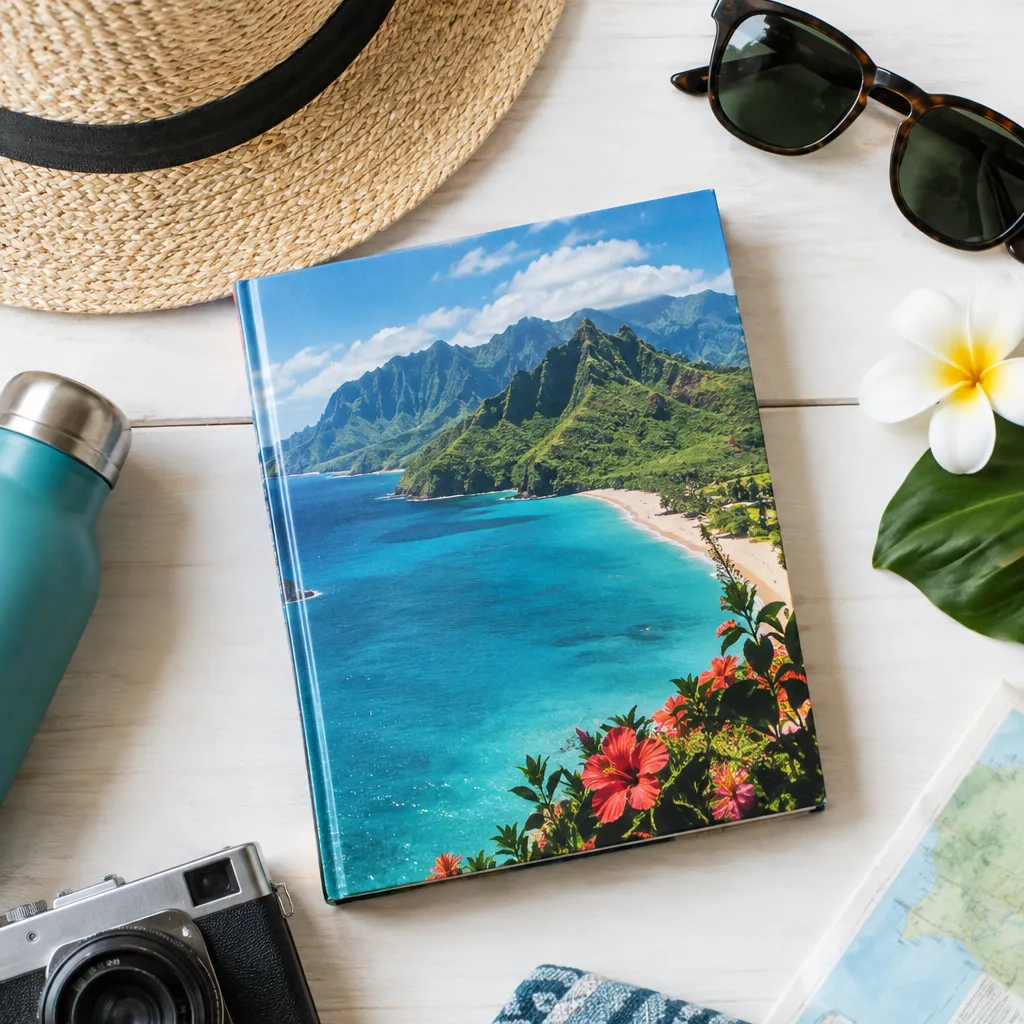
1. Use a Hawaii guidebook for context, not live updates
A print guidebook can help compare islands, understand geography, and sketch a realistic trip structure. It suits travelers who want background in one place, but treat it as a starting point: hours, access rules, weather conditions, and reservation requirements can change.
For travel guides to Hawaii, check when the edition was published and whether its coverage fits your islands and interests. A broad USA guide may offer less island-by-island depth than a focused resource.
2. Check official island and park pages before booking
Official tourism and public-land pages are useful for checking current access rules, closures, visitor guidance, and reservations. They are less useful for comparing the character of different experiences, so pair them with independent local context.
Before committing to an activity, look for the managing agency’s current instructions and confirm details close to your visit. Our guide to choosing a Hawaii island can help you narrow the destination first.
3. Read local reporting for island-specific context
Local reporting can explain island differences and bring community concerns into view—context that a general USA guide may not cover in depth. Read beyond headlines: look for recent reporting that gives clear dates, location details, and relevant background.
Use journalism to understand an issue or place, not as your sole source for logistics. Confirm access, hours, and restrictions through official pages before you build them into your plans.
4. Use resident forums to test your itinerary assumptions
Forums can surface practical questions about travel times, expectations, and whether a proposed day looks too crowded. They are most helpful when you compare several recent accounts rather than treating one person’s experience as a rule.
Check post dates and island locations, and verify consequential advice elsewhere. If a comment suggests an unusual stop, confirm that visitors are welcome and that access is permitted before adding it to your route.
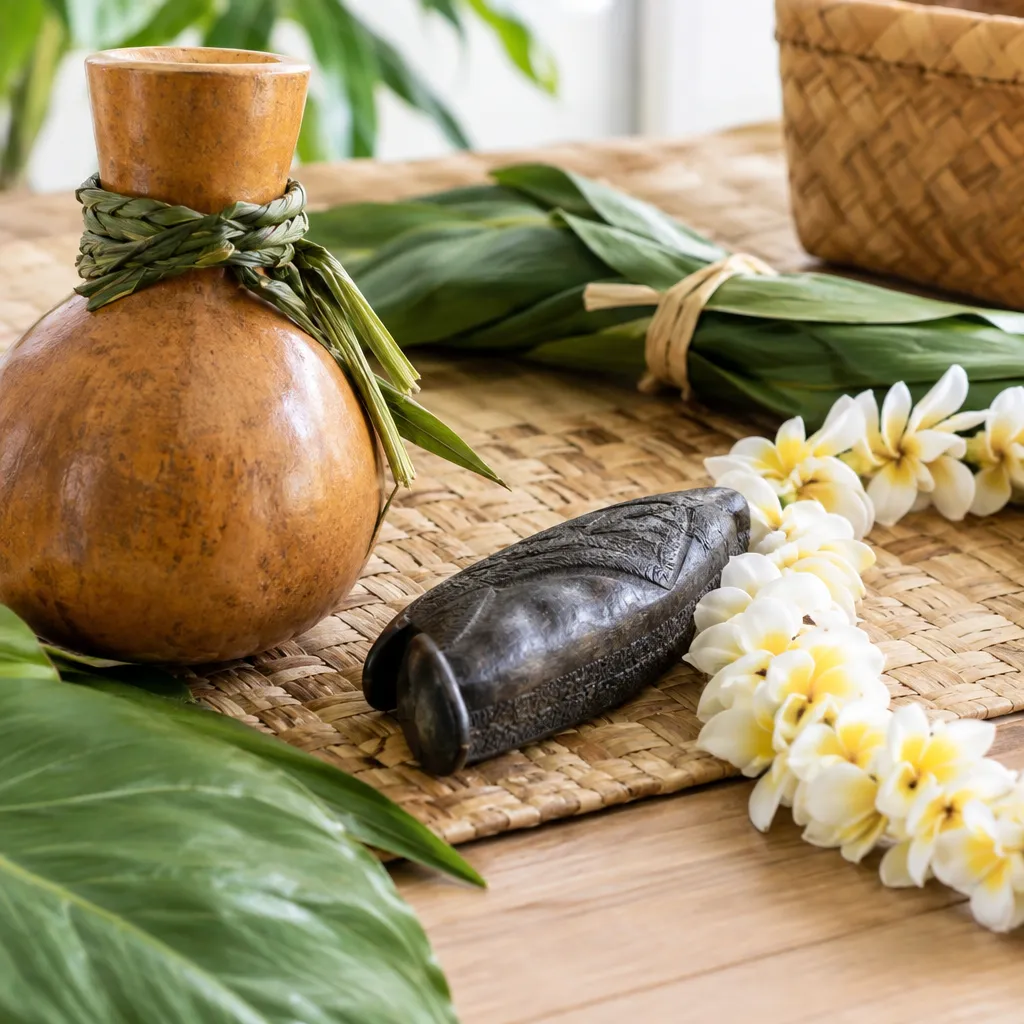
5. Consult cultural organizations for Native Hawaiian context
Native Hawaiian-led cultural resources can deepen your understanding of place and respectful visitor behavior. Look for material that identifies its authors or community connection and explains the history or guidance behind its recommendations.
No single source represents every Hawaiian community. Read with care, follow site-specific protocols, and avoid treating cultural places as ordinary attractions to collect. This is a valuable layer of research, not a substitute for current access rules.
6. Build a free digital shortlist for each island
Free destination pages, maps, and attraction websites can help you compare activities and practical logistics without relying on one static book. Make a separate shortlist for each island, then check travel time, transport, weather, and availability before joining stops into a day.
For a road trip, map pins are only the beginning: account for realistic driving days and nearby stops. These road-trip map-planning steps can help turn a list of places into a workable route.
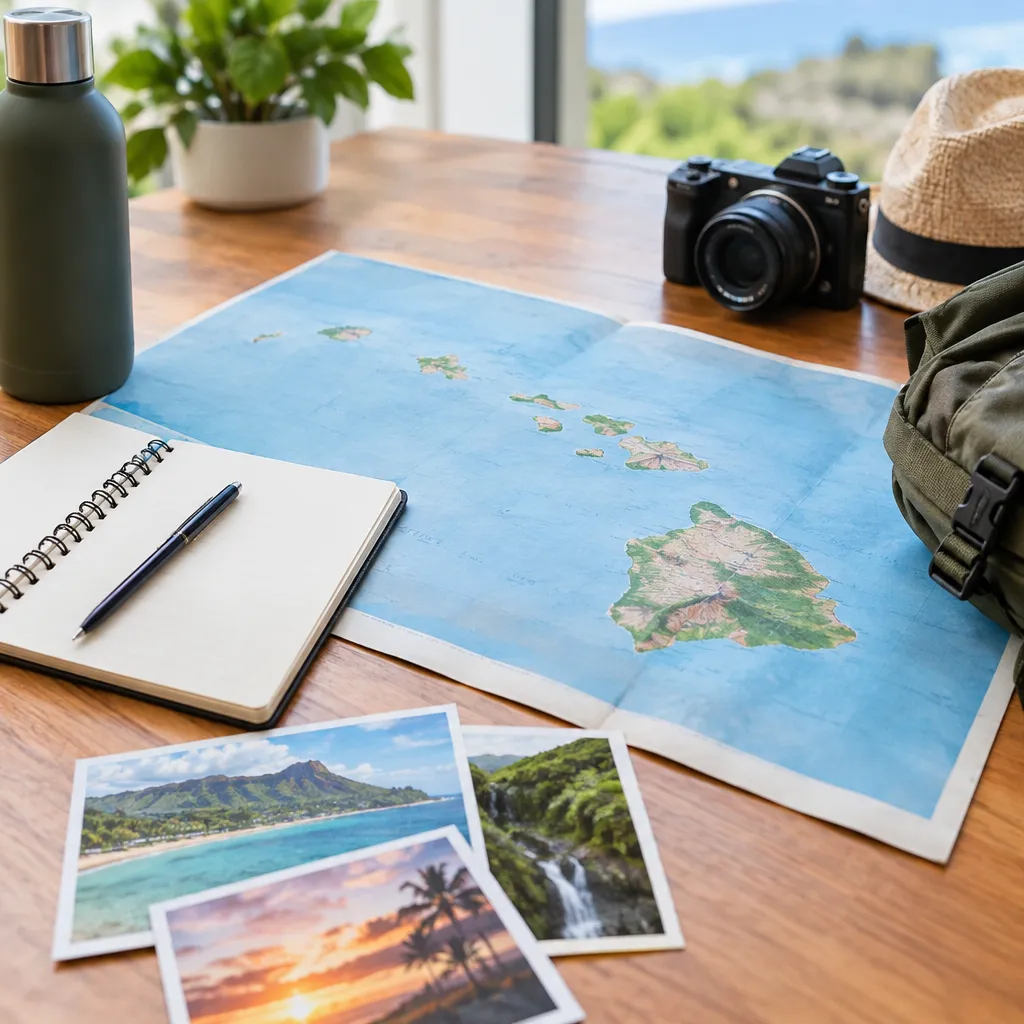
7. Combine sources into a responsible island-by-island plan
For each island, use a guidebook or destination overview for context, official pages for rules and reservations, and local reporting or cultural resources for deeper understanding. Check weather close to the activity date, and leave flexibility for changing conditions.
Before finalizing a day, confirm access, booking requirements, transport, and conservation expectations. Our road-trip app planning guide offers more ways to organize route details and useful stops.
Hawaii Travel Research FAQs
Why not whistle at night in Hawaii?
Some people avoid whistling at night because of local folklore that associates it with danger or unwanted spirits. Treat the belief respectfully, but do not present it as a universal rule followed by everyone.
What are some great alternatives to visiting Hawaii?
For an island-focused trip, consider destinations such as Puerto Rico or the U.S. Virgin Islands; for beaches and outdoor activities, compare options in Florida or California. Choose based on travel time, interests, and budget.
What island in Hawaii is not touristy?
No Hawaiian island is simply “not touristy”; visitor activity and services vary by place. Choose an island based on the experiences you want, then research community guidance and access expectations for specific areas.
How often should I check official Hawaii travel updates before a trip?
Check official updates when planning and booking, then again shortly before each activity and on the day of travel. Recheck whenever weather or access conditions could change your plans.
Where can I find current reservation requirements for Hawaii parks and attractions?
Start with the official website of the park, attraction, or agency managing the site. Confirm the required date, entry conditions, and booking instructions there before traveling.
How can I tell whether an online Hawaii travel tip is outdated?
Look for a publication or update date, then compare the advice with current official pages. Treat undated posts and claims about hours, access, or reservations as unconfirmed until checked.
What should I look for in a Native Hawaiian-led cultural resource?
Look for clear authorship or community connection, meaningful historical context, and guidance that explains respectful behavior. Consider its scope, and do not assume one resource speaks for every community.
How should I adjust my plans for changing Hawaii weather?
Check forecasts and official alerts before outdoor activities, and keep a flexible alternative for the day. Follow local safety guidance and do not rely on an old guidebook for current conditions.
Recommended next steps
Choose your island and trip priorities first, then build a short list of places for each day. Use current official information to confirm access and reservations, and leave room to adjust for weather, travel time, and local guidance.