

Choosing online travel guides for a US trip is less about finding one perfect source and more about matching the guide’s scope to your route. A broad United States travel guide can help with early ideas, while regional and destination guides may offer the detail you need to choose stops, plan driving days, and understand the places you visit.
Compare online travel guides at a glance
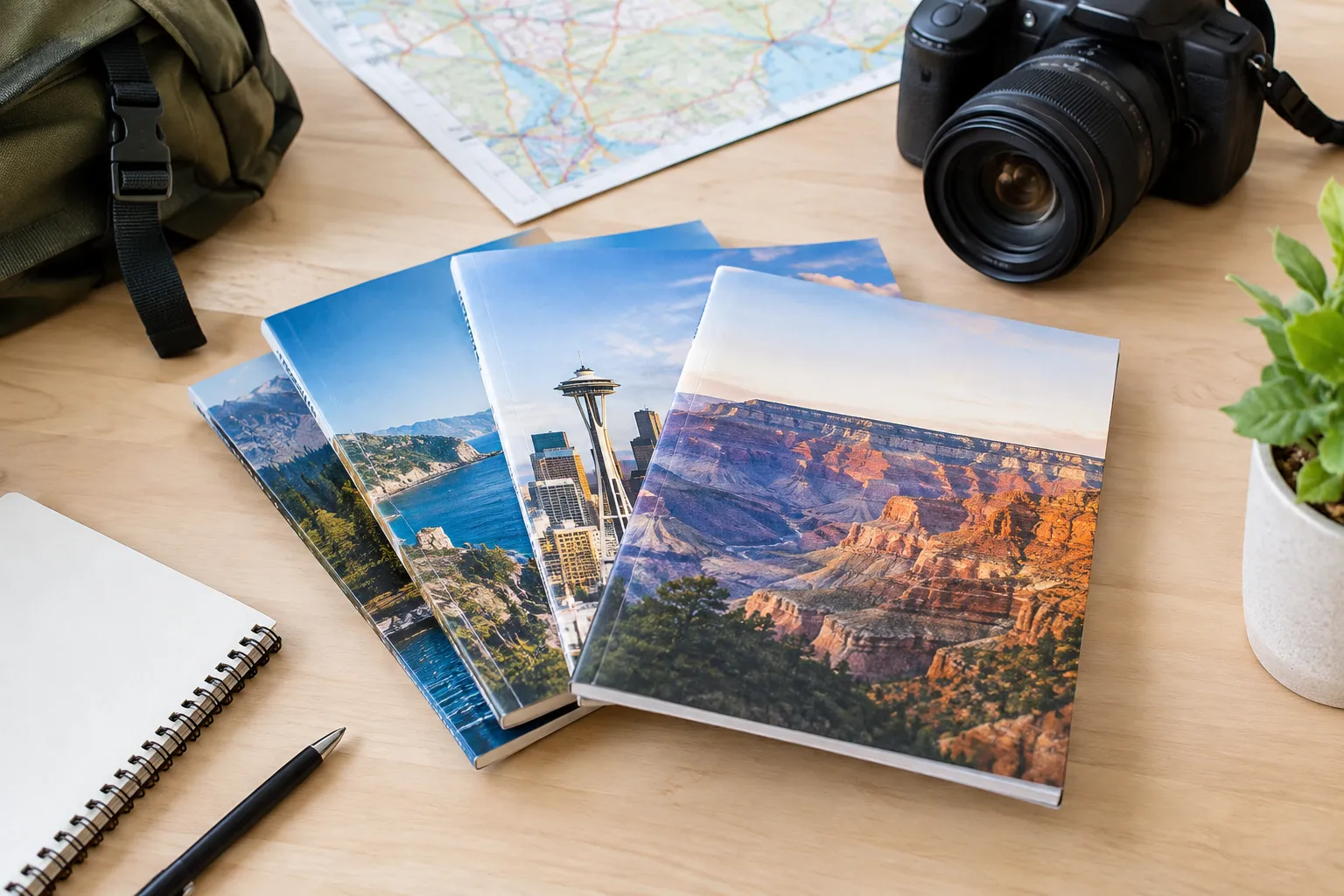
The right option depends on what you need to decide. Use the same questions for each guide: Does it cover your destinations in depth? Can it help with practical planning? Does it provide useful cultural context? Does it connect places into a route? Is it easy to use alongside other research?
| Guide type | Best fit | Practical logistics and context | Route detail | Main tradeoff |
|---|---|---|---|---|
| Broad travel site | Exploring a wide range of destinations | Check whether articles go beyond inspiration to include useful planning details and local background | May help with ideas, but confirm whether it connects stops into a workable itinerary | Coverage can be broad without being deep in every place |
| US-focused destination guide | Researching a state, city, region, or type of trip | Look for specific guidance relevant to your destinations and interests | More useful for route research when it explains how nearby places fit together | The right scope matters; a guide may not cover every region you want |
| Official visitor guide | Checking information from a destination or local organization | Useful for looking up destination-specific visitor information; check what practical and cultural detail is included | May focus on one place rather than a multi-stop road trip | You may need other sources to connect destinations |
Treat the table as a starting point, not a claim that every guide in a category works the same way. Read a few pages before relying on any source to plan a full trip.
Check how deeply a guide covers US destinations
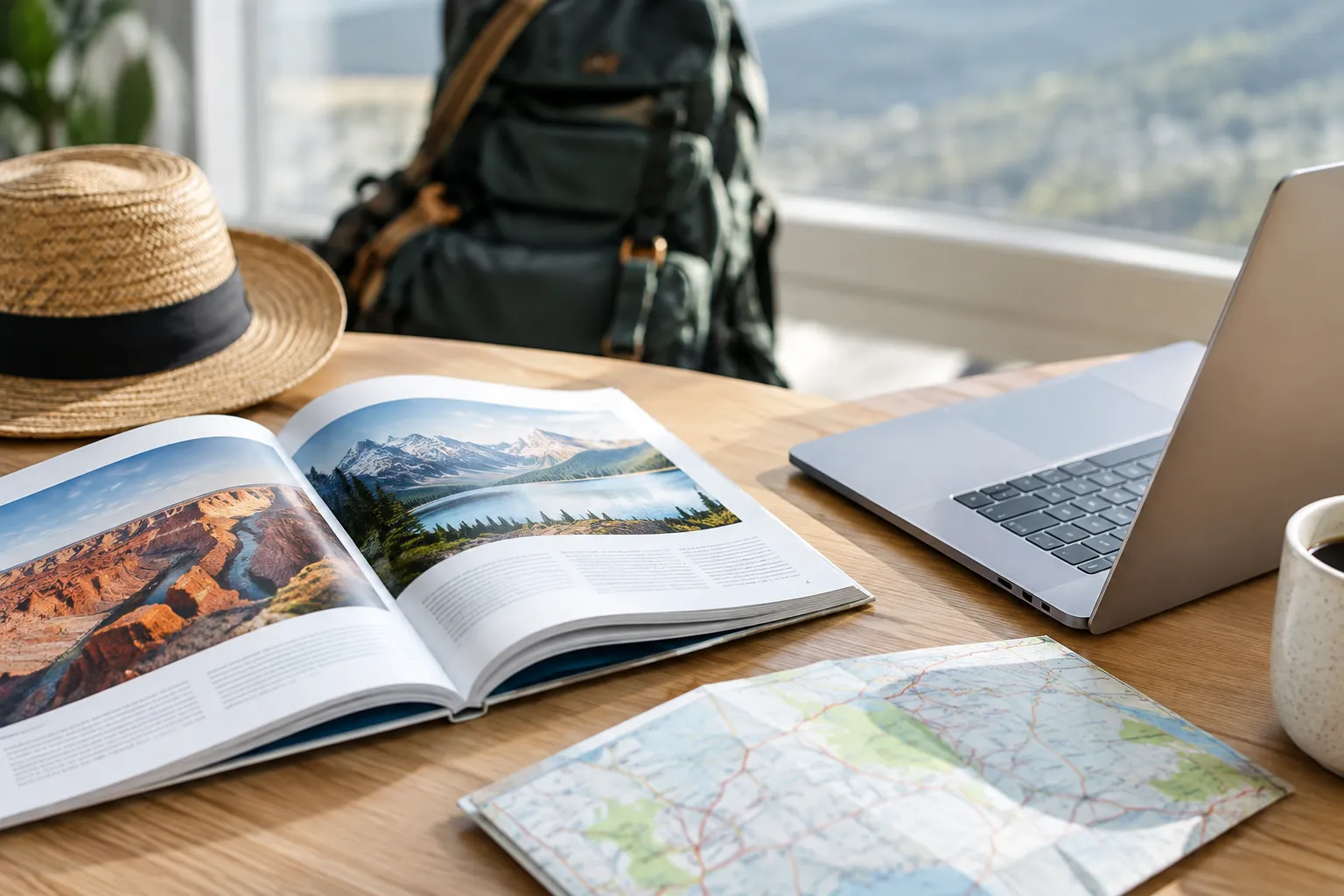
A useful guide should match the size of your trip. If you are still choosing between a USA-wide guide, a western US guide, or a Southwest guide, start with your likely route and the depth of research you need. A broad guide can help you compare regions. Once you have a shortlist, focused coverage can help you decide which places merit a stop.
Look beyond the number of destinations mentioned. Does a page explain what makes a place worth visiting, how it differs from nearby stops, and what else you could see in the area? Brief summaries may be enough for inspiration, but they can leave you with little to plan from.
Check whether the guide has useful coverage at more than one level:
- A national or regional overview to narrow your trip area
- State or city information to research likely stops
- Nearby attractions and smaller places to explore around a destination
For travel guides in the United States, the best scope is the one that matches your actual itinerary. If you plan to spend most of your time in one region, a focused guide may be more actionable than a general united states travel guide.
Look for logistics and cultural context you can use
Inspiration can help you choose a destination, but practical information helps you make a plan. As you compare online travel guides, look for details that help answer real planning questions: What can you do in a destination? How might you group nearby attractions? What should you check before setting off? A guide does not need to answer everything, but it should give you a useful next step rather than leave you with a list of opinions.
Cultural and historical context matters too, especially on a long trip. Look for explanations that help you understand the places on your itinerary, not just a description of what to see. If a guide offers only short highlights, use it as a starting point and research important questions through additional destination sources.
Check how the information is presented. Clear sections, descriptive headings, and direct explanations make it easier to find relevant details while planning. If practical information is hard to locate, or the content stays at the level of general impressions, it may not be the guide you want to depend on for deeper research.
Assess route detail for a connected US itinerary
A collection of destination pages is not automatically a road trip plan. To see whether a guide can support route research, check whether it helps you connect places: Are nearby stops identified? Can you tell which destinations could fit together? Does the guide help you think in travel days rather than isolated pins?
Start by listing the places you are considering, then use a road trips map to see how they relate geographically. A map helps with spatial planning; destination guides add context about what to do at each stop. Together, they can help you decide which places belong in the same part of your itinerary and which ideas may stretch the trip too far.
For a practical route-planning approach, see Road Trips Map Planning: From Pins to Driving Days. You can also use Road Trips App Features That Actually Help to consider which planning tools might support your research. Neither a guide nor a map settles every travel-day decision; check current details for the places you intend to visit before relying on them.
Choose the guide that fits your trip research
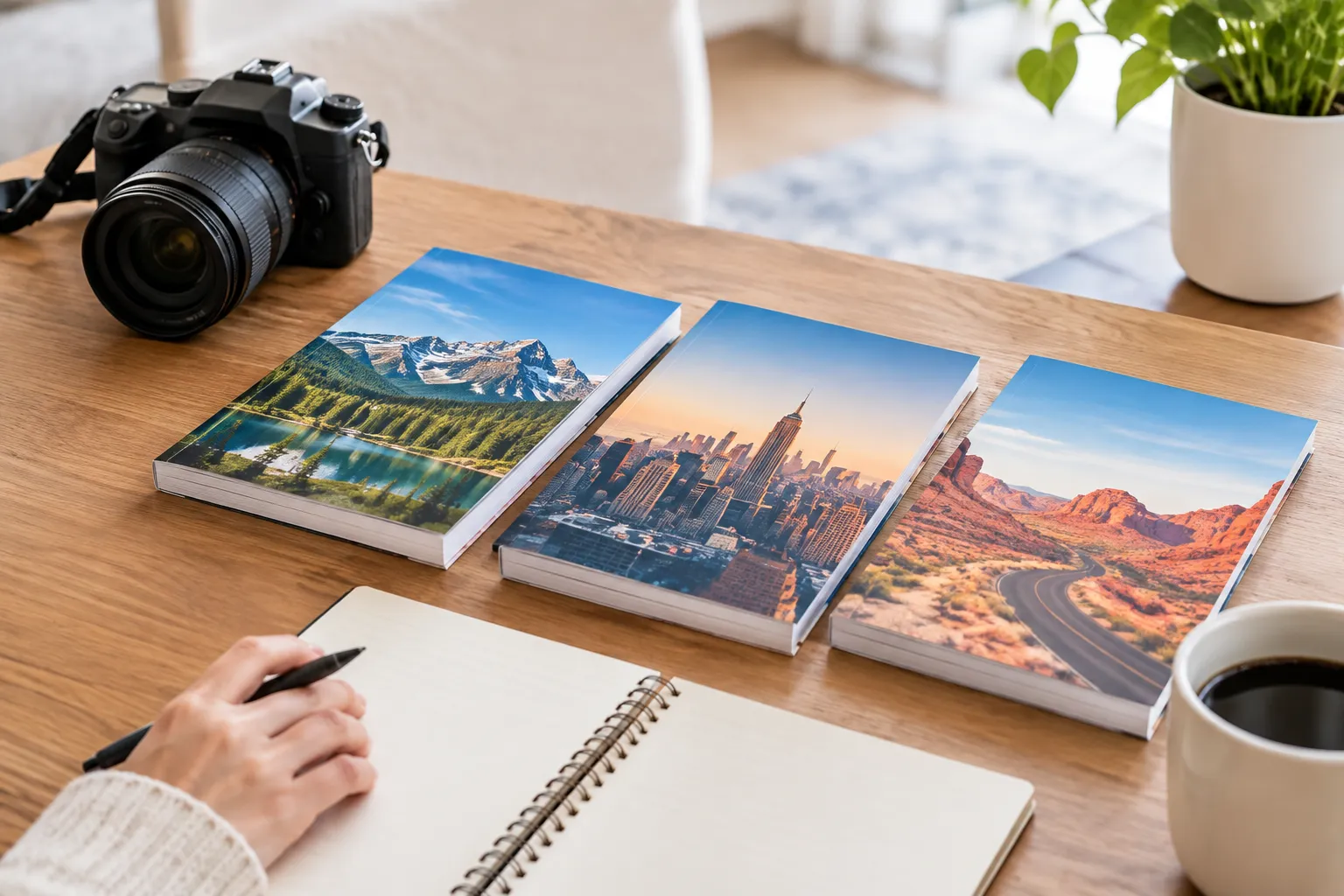
Use your itinerary to choose the guide scope, rather than trying to find one source that covers everything equally well.
- If you are choosing a region, start broad and compare possible destinations.
- If you know where you are going, prioritize focused city, state, or regional coverage.
- If you are planning a long trip, look for specific logistics and meaningful history or cultural context, not just highlights.
- If you are driving between stops, check whether the guide helps you group nearby places and build realistic travel days.
Free destination research can help you shortlist attractions and understand a place before you commit to a route. Explore US Now publishes destination guides and itineraries to support that research. Treat any online guide as one part of planning: confirm details that can change, and use a separate map to check how your chosen stops fit together.
Online Travel Guide FAQs
What is the best online travel planner?
The best planner is the one that matches your trip: it should help organize destinations into travel days and let you keep route notes and practical details easy to find. Check whether it supports the way you plan.
What are some free online travel guides?
Free destination guides from travel websites and official visitor sources can help you research places, shortlist attractions, and find local context. Compare their depth and verify time-sensitive details before traveling.
Which travel guides are the best?
The best travel guides are the ones with the right scope and enough practical detail for your trip. For a road trip, look for useful destination coverage, context, and information that helps connect stops.
What is the best travel guide app?
There is no single best app for every traveler. Choose based on whether you need maps, saved research, itinerary organization, or offline access, and check the current features before depending on them.
Can I combine information from several online travel guides for one trip?
Yes. Use one source to shortlist destinations, another to add local context, and a map to connect the stops. Keep notes on where each detail came from and verify information that may change.
How can I keep online travel guide information handy while traveling?
Save useful pages or notes before departure, and check whether the sources you use offer a way to access information without a connection. Keep essential addresses and plans somewhere you can reach easily.
Are online travel guides useful for planning visits to US national parks?
They can help you research nearby destinations, attractions, and trip ideas. For park-specific logistics and current conditions, check the relevant official sources before you go.
How can I tell whether an online travel guide is up to date?
Look for a publication or update date and check important details against current destination sources. Recheck practical information close to travel, since access, schedules, and local conditions can change.
Use destination research to shape your road trip
Once you have a few promising destinations, use focused research to choose what belongs on your route. Shortlist the attractions that matter most, note nearby places worth considering, and group stops according to your available days and preferred pace. A road trips map can then help you see whether the route makes sense geographically.
For another practical planning aid, use the Road Trips App Checklist to think through what you need from your tools. Combine that planning with destination guides that give you enough detail to choose stops with confidence. The goal is not to collect the most links; it is to build a connected trip with useful days and room for the places you actually want to experience.