
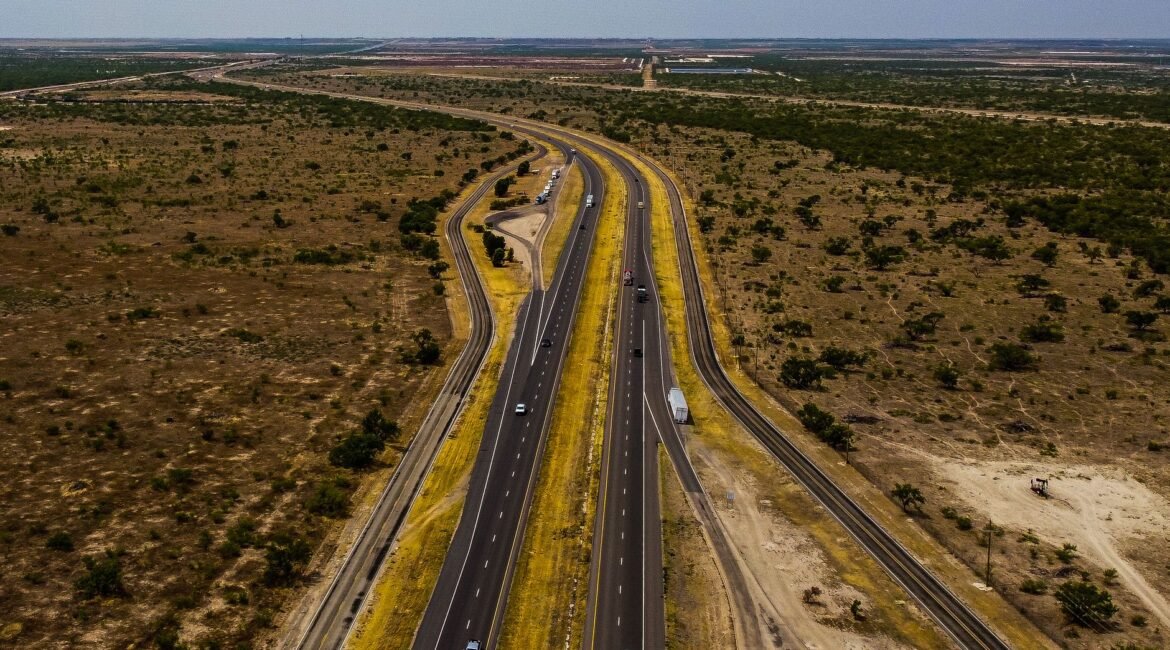
Texas is enormous. Like, genuinely humbling in size. Before you start pinning destinations on a map, know this: driving from El Paso to Beaumont is longer than driving from Chicago to New York. You’re not seeing all of Texas in 5 days — nobody does.
But here’s the good news: the central corridor of Texas — Dallas, Waco, Austin, the Hill Country, and San Antonio — packs more culture, food, history, and scenery into one driveable stretch than most states can offer in their entirety. That’s what this guide focuses on.
We’ve also built in a second route option for travelers who want to swap the cities for a Houston-Galveston coastal experience. Pick your lane, plan realistically, and you’ll have a trip worth the miles.
First: How Many Miles Are We Talking?
The main route (Dallas → Waco → Austin → Hill Country → San Antonio) covers roughly 420–450 miles total, which is very manageable across 5 days. You’ll average about 85–100 miles of driving per day — leaving plenty of time to actually stop and experience each place.
If you add a Houston or Galveston extension, total mileage climbs to 550–600 miles. That’s doable but tighter. Decide early whether you’re prioritizing depth or breadth.
Honest caveat: I-35, which connects Dallas to San Antonio through Austin, is one of the busiest highways in America. Rush hour in Austin especially (7–9am and 4–7pm) can add 45–90 minutes to what looks like a simple drive. Plan around it.
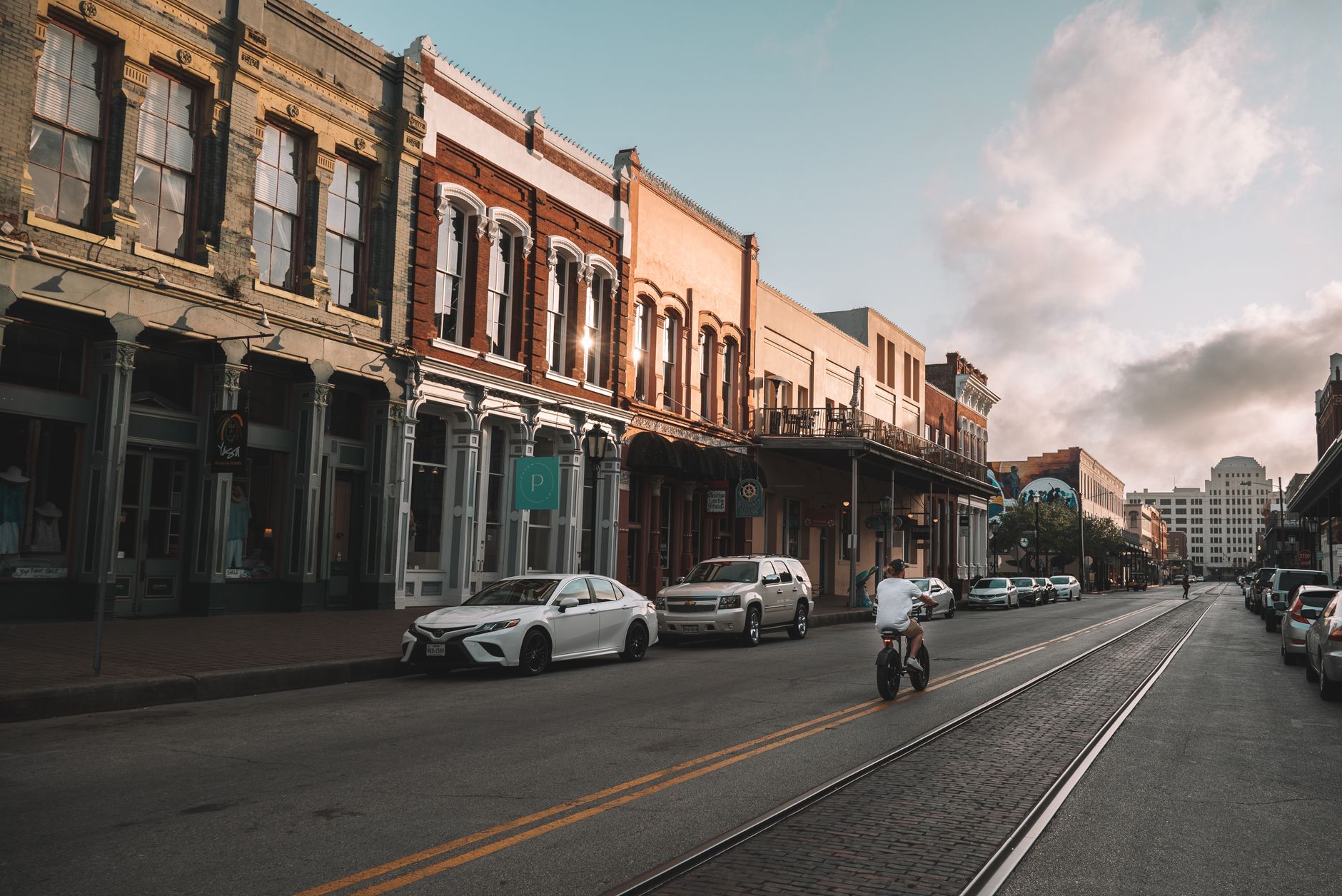
Route A: The Classic Central Texas Corridor
Best for: culture lovers, foodies, music fans, history buffs
Day 1: Arrive in Dallas — Deep Ellum + Stockyards Day Trip
Fly into Dallas/Fort Worth (DFW) or Dallas Love Field and pick up your rental car immediately — you’ll need it every day. Spend your first afternoon in Deep Ellum, Dallas’s arts and music district, where street murals, record shops, and barbecue joints line every block.
If you arrive early enough, drive 30 minutes west to Fort Worth’s Stockyards National Historic District for a dose of genuine Texas cowboy culture. Watch the longhorn cattle drive (daily at 11:30am and 4pm), walk the brick streets, and eat at one of the steakhouses on Exchange Avenue. Expect to pay $25–$45 per person for dinner here.
Where to stay in Dallas: The Kimpton EPIC Hotel or Moxy Dallas Uptown for mid-range; Omni Dallas if you want something iconic downtown. Budget range: $120–$180/night.
Day 2: Dallas to Waco (100 miles, ~1.5 hours)
This is a short driving day — use that to your advantage. Head south on I-35 and make Waco your mid-morning stop.
Magnolia Market at the Silos (of Fixer Upper fame) is legitimately worth a couple of hours if you’re into home design, food trucks, or just good coffee in a great outdoor space. The surrounding neighborhood has some beautiful historic Texas architecture too.
After lunch, keep driving south. You’ll roll into Austin by mid-afternoon with time to explore before dinner.
Austin first-evening essentials:
- Walk or rent a kayak on Lady Bird Lake (free to walk, ~$20/hour kayak rental)
- Stroll South Congress Avenue for vintage shops and local boutiques
- Grab dinner at Franklin Barbecue (plan ahead — they often sell out) or Terry Black’s BBQ for a more reliably available option. Budget $18–$30 per person.
Where to stay in Austin: Hotel San José on South Congress for boutique charm ($180–$240/night); the Hyatt Regency downtown for a classic option ($160–$220/night); or an Airbnb in East Austin for more local flavor ($100–$160/night).
Day 3: Full Day in Austin
Austin rewards a slow day. Don’t rush it.
Morning: Visit the Texas State Capitol (free, opens at 7am) and walk through the grounds. It’s genuinely impressive and the surrounding area is walkable.
Afternoon: Head east to the East Austin neighborhood for coffee shops, galleries, and local food. Mueller District has a great weekend farmer’s market if your timing aligns.
Evening: Austin’s live music scene is the real deal. 6th Street and Rainey Street are the main hubs. Cover charges are usually $5–$15; drinks run $8–$14. Budget $30–$50 for a fun evening out.
If you’re traveling with kids, Barton Springs Pool (a natural spring-fed swimming hole) and the Thinkery children’s museum are both excellent. Barton Springs entry is around $9 for adults.
Day 4: Austin to Texas Hill Country to San Antonio (90–130 miles depending on route)
This is the scenic highlight of the whole trip. Instead of blasting down I-35, take the scenic route through the Texas Hill Country.
Recommended stops:
- Wimberley — charming small town with the Blue Hole Regional Park (swimming hole, ~$8–$12 entry in summer)
- Gruene — one of Texas’s oldest dance halls is here; Gruene Hall has live music most weekends
- New Braunfels — Schlitterbahn waterpark if you’re with kids; the Comal River for tubing ($25–$40 for tube rental and shuttle)
Arrive in San Antonio by late afternoon and walk the River Walk before dinner. The area around the Pearl District has some of the best restaurants in the city.
Where to stay in San Antonio: Hotel Emma at the Pearl ($280–$380/night, genuinely special) or the Marriott on the River Walk ($170–$240/night) for more accessible pricing.
Day 5: San Antonio — The Alamo, Mission Trail + Departure
San Antonio deserves more than half a day, but you can hit the highlights.
Morning: Visit The Alamo first thing when it opens (free entry, though the expanded museum has a ticketed exhibition at ~$15). Then walk the Mission Trail — a UNESCO World Heritage Site with four additional Spanish colonial missions within a few miles of downtown. This stretch is genuinely underrated.
Lunch: Head to the Market Square (El Mercado) area for authentic Tex-Mex. Mi Tierra Cafe is a San Antonio institution; expect to pay $14–$22 per person.
Afternoon: The San Antonio Museum of Art or the Japanese Tea Garden in Brackenridge Park if you have time before heading to the airport (SAT) or driving back to DFW (4–5 hours via I-35 without traffic).
Route B: Houston & Galveston Coastal Option
Best for: beach lovers, space nerds, seafood fans
If the Hill Country and city culture aren’t calling you, consider this alternative: Dallas → Houston (4 hours, 240 miles) → Galveston (1 hour) → back to Houston for departure.
- Houston Day 1–2: NASA Space Center Houston (~$35/adult), the Museum District (several free museums), Houston’s incredible Vietnamese and Tex-Mex food scene in the Heights and Montrose neighborhoods
- Galveston Day 3–4: Historic Strand District, Pleasure Pier, beach time, fresh Gulf seafood
- Day 5: Return to Houston for departure or continue west to Austin for a direct flight
This route is simpler in terms of navigation but trades the cultural variety of Route A for a more coastal, relaxed pace. Totally valid choice — just different.
Budget Breakdown for 5 Days in Texas
| Category | Budget | Mid-Range | Splurge |
|---|---|---|---|
| Accommodation (5 nights) | $500–$700 | $800–$1,100 | $1,400–$1,900 |
| Food & Drink | $200–$300 | $350–$500 | $600–$900 |
| Gas (450 miles avg) | $55–$75 | $55–$75 | $55–$75 |
| Attractions & Activities | $50–$100 | $100–$200 | $200–$400 |
| Car Rental (5 days) | $180–$250 | $250–$350 | $350–$600 |
| Total (rough estimate) | $985–$1,425 | $1,555–$2,225 | $2,605–$3,875 |
Gas prices in Texas typically run lower than the national average, but factor in parking fees in Austin ($15–$25/day in garages downtown) and San Antonio ($10–$20/day near the River Walk).
Best Time to Visit for a Texas Road Trip
Spring (March–May): Ideal. Wildflower season peaks in April across the Hill Country — bluebonnets line the highways and it’s genuinely one of the most beautiful sights in the American South. Temperatures are pleasant (60s–80s°F).
Fall (September–November): Also excellent. Heat has broken, crowds thin out, and the Hill Country scenery is lovely.
Summer (June–August): Texas summers are brutal. Triple-digit heat is common in July and August, and outdoor activities become uncomfortable by midday. Not impossible, but plan indoor activities for afternoon hours.
Winter (December–February): Mild in San Antonio and Austin (40s–60s°F), occasionally cold in Dallas. Most attractions are open and crowds are minimal. Ice storms can affect North Texas driving in January–February.
Practical Tips Before You Go
Book accommodation early for Austin. The city hosts Formula 1 (October), SXSW (March), and Austin City Limits Festival (October) — during these weekends, hotel prices triple and availability disappears weeks in advance.
Download offline maps. Cell service gets spotty in parts of the Hill Country. Google Maps offline mode or a downloaded Waze route will save you.
Reserve Franklin Barbecue online if you want it — they now do limited reservations alongside the walk-up line. Same for popular Austin music venues on weekends.
For more route-planning strategy before you book anything, our guide on how to compare online travel guides before booking a US trip walks through how to evaluate sources and logistics.
If you’re still finalizing your plans and want a quick checklist to nail down the essentials, our last-minute road trip planning checklist is worth bookmarking.
Planning other US trips alongside Texas? Check out the 7-Day California Coast Road Trip Itinerary 2026-2027 for a very different kind of American road trip — both are iconic for good reasons.
For a full overview of US travel costs and regional breakdowns, Travel USA 2026-2027: Regions, Costs & Entry Tips gives helpful context on what different parts of the country cost to visit right now.
Which Route Should You Choose?
Here’s a simple decision framework:
- Choose Route A (Dallas → Austin → Hill Country → San Antonio) if you want variety — cities, culture, food, scenery, and history in one logical corridor.
- Choose Route B (Dallas → Houston → Galveston) if you want beaches, seafood, and a more relaxed coastal pace.
- Feeling overwhelmed choosing? Route A gives most people more to talk about afterward. The Hill Country leg alone often becomes people’s favorite part of any Texas trip.
Five days in Texas won’t cover it all — honestly, neither would five weeks. But if you’re strategic about your route, realistic about driving times, and willing to slow down in the places that earn it, this stretch of Texas delivers.
Start planning, pick your route, and go. Texas is waiting.
[…] got you covered across the country. Our 7-Day California Coast Road Trip Itinerary 2026-2027 and Texas Road Trip 5 Days Itinerary 2026-2027 follow the same practical-first format. And if you're pulling this together last minute, our […]
[…] combining this with a broader US road trip, we've got you covered on other routes too — our Texas Road Trip 5-Day Itinerary and NYC to Niagara Falls guide follow the same practical format if those legs are on your […]
[…] a longer Texas exploration? Check out our Texas Road Trip 5 Days Itinerary 2026-2027 for routes, costs, and honest […]
[…] is a natural next chapter. Heading west? The 7-Day California Coast Road Trip Itinerary and Texas Road Trip 5 Days Itinerary are both worth bookmarking. And if you want something completely different after the city buzz, our […]
[…] Coast Road Trip Itinerary 2026-2027, the Las Vegas to Grand Canyon Road Trip 2026-2027, and the Texas Road Trip 5 Days Itinerary 2026-2027 for your next stateside […]
[…] For a deeper look at what a realistic multi-day Texas trip actually looks like day by day, check out this Texas Road Trip 5 Days Itinerary 2026-2027: Routes, Costs & Honest Logistics. […]