
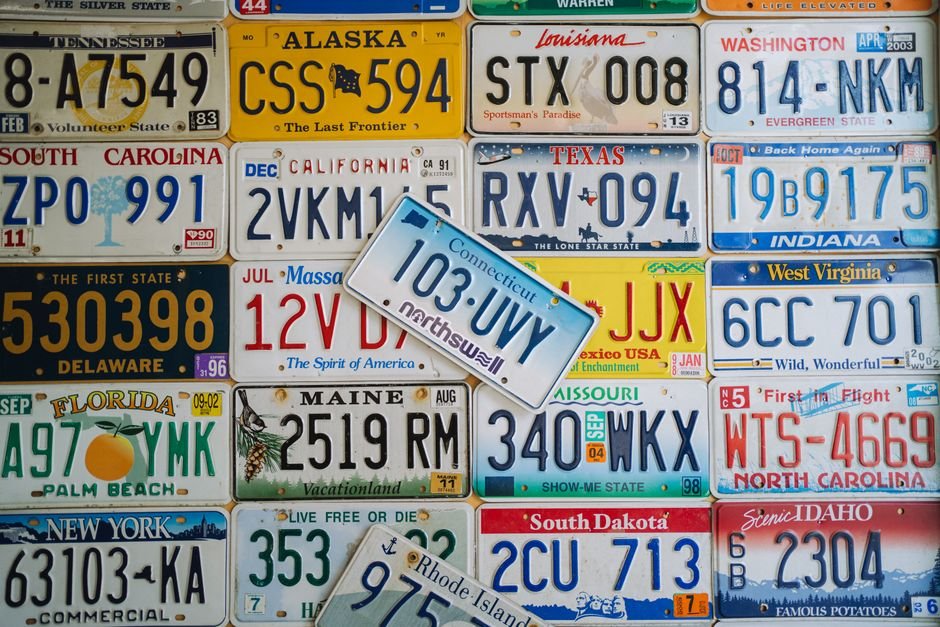
Florida to California Road Trip 2026-2027: Complete Guide with 4-Day, 7-Day & Scenic Route Options
Let’s be honest: a Florida to California road trip sounds romantic until you open a map and realize you’re staring down roughly 2,700 to 3,100 miles depending on your route. That’s a serious commitment — and it deserves a serious plan.
Whether you’re relocating, chasing adventure, or just want to say you drove coast to coast, this guide gives you everything you need: realistic driving times, the best routes, what to spend, and which stops are actually worth your time.
How Long Does It Really Take?
Here’s the honest answer most guides skip:
- Minimum (push-through) drive: 36–42 hours of pure driving time, which most people split into 2–3 very long days. This is survivable, not enjoyable. You’ll see truck stop bathrooms and fast food, not America.
- Comfortable 4-day trip: A realistic pace if you’re primarily focused on reaching California with a few quality stops.
- Best experience: 7–10 days: Time enough to hit national parks, real meals, and landmarks that make the trip worth it.
If someone tells you a 2-day drive is breezy, they’re not accounting for fatigue, traffic around Houston or Phoenix, or the fact that driving 12+ hours daily is genuinely dangerous. Take breaks. Plan overnights.

Route Options: Southern, Central & Northern
There are three main corridors from Florida to California. Each has a distinct character.
🛣️ Route 1: The Southern Route via I-10 (Most Direct)
Total distance: ~2,700 miles from Miami or ~2,400 from Jacksonville
This is the fastest and most popular route. I-10 runs nearly the entire way from Florida through Alabama, Mississippi, Louisiana, Texas, New Mexico, and Arizona before dropping into Southern California.
Major cities: New Orleans → San Antonio → El Paso → Tucson → Phoenix → Los Angeles
The I-10 corridor is well-developed, easy to navigate, and loaded with legitimate stops. It’s the go-to for first-timers and anyone driving solo.
🛣️ Route 2: The Historic Route 66 Hybrid (Scenic & Cultural)
Total distance: ~3,000–3,100 miles
If you want Americana at its finest, mix I-10 through Texas, then cut north through New Mexico and pick up remnants of Route 66 through Albuquerque, Gallup, Flagstaff, and the Mojave Desert. You’ll pass near the Grand Canyon (easily worth a half-day detour) and roll into Los Angeles on old Route 66 nostalgia.
This route adds time but delivers some of the most visually distinct landscapes in the country — red rock country, desert highways, and small towns that still feel frozen in time.
🛣️ Route 3: The Northern Route via I-40 / I-70 (Best for San Francisco)
Total distance: ~3,100+ miles
If your California destination is San Francisco rather than LA or San Diego, consider pushing north through Tennessee, Oklahoma, and picking up I-40 or I-70 across the Midwest before dropping into Nevada. This route is better paired with a 10+ day timeline and opens up stops in Nashville or St. Louis.
For most travelers, the Southern I-10 route hits the sweet spot of distance, scenery, and ease.
Day-by-Day Itinerary: The 7-Day Florida to California Road Trip
This itinerary departs from Miami and ends in Los Angeles, following the Southern I-10 route with a Route 66 scenic detour. Adjust departure cities as needed — Orlando and Jacksonville travelers can shave 3–5 hours off Day 1.
Day 1: Miami → New Orleans, Louisiana (~850 miles)
This is your longest day, so start early. Push through the Florida Panhandle (Pensacola and Mobile are worth a gas stop), cross into Louisiana, and aim for New Orleans by evening.
Don’t skip: Dinner on Bourbon Street. Even if you’re not a party person, the food culture in New Orleans is unmatched — gumbo, beignets, and po’boys are mandatory.
Overnight: New Orleans (French Quarter area or Garden District depending on budget)
Day 2: New Orleans → San Antonio, Texas (~510 miles)
A lighter driving day. Head west on I-10 through Baton Rouge and Houston (watch for traffic — Houston is notorious for gridlock during rush hours). Arrive in San Antonio in the early afternoon.
Must-see: The River Walk and The Alamo. San Antonio is one of the most underrated cities in the country — budget at least 3 hours here.
Overnight: San Antonio
Planning a longer Texas exploration? Check out our Texas Road Trip 5 Days Itinerary 2026-2027 for routes, costs, and honest logistics.
Day 3: San Antonio → El Paso, Texas (~550 miles)
This stretch through West Texas is vast, flat, and honestly a little hypnotic. If you want a dramatic detour (and have an extra half day), Big Bend National Park is about 3 hours south of I-10 and unlike anything else in the country.
I-10 highlight: White Sands National Monument is a short detour just north of the highway near Las Cruces, NM. The white gypsum dunes are genuinely otherworldly — plan 90 minutes minimum.
Overnight: El Paso or Las Cruces, NM
Day 4: El Paso → Tucson → Phoenix, Arizona (~430 miles)
Cross into Arizona with some of the most striking desert scenery of the trip. Saguaro cacti start appearing around Tucson — it’s the visual signal that you’re in the true American Southwest.
Stop: Saguaro National Park (East or West district) near Tucson — easy access right off I-10. Spend an hour on a short trail.
Overnight: Phoenix (good hotel selection, central location for Day 5 options)
Day 5: Phoenix → Las Vegas, Nevada (~300 miles) — Optional Detour Day
This is your flex day. Two options:
Option A (Scenic): Drive north from Phoenix to the South Rim of the Grand Canyon (~230 miles), spend 3–4 hours, then continue west to Las Vegas (~280 miles from the Canyon). It’s a longer day but the Grand Canyon is genuinely one of those places that earns the hype.
Option B (Relaxed): Head straight to Las Vegas, arrive early, and use the afternoon to explore the Strip, catch a show, or decompress.
Overnight: Las Vegas
Already planning time in Nevada? Our California Nevada Road Trip Itinerary 2026-2027 covers 3, 5, and 14-day routes across both states.
Day 6: Las Vegas → Joshua Tree → Los Angeles (~300 miles)
Leave Vegas early to beat the desert heat and catch Joshua Tree National Park in the morning light. The surreal boulder landscapes and twisted Joshua Trees are iconic California — budget 2–3 hours here.
From Joshua Tree, it’s about 2.5 hours into Los Angeles depending on traffic. Arrive, check in, and celebrate. You drove across America.
Overnight: Los Angeles
Day 7: Los Angeles Exploration
Rest day, or launch into LA. Santa Monica Pier (Pacific Coast — you made it!), Griffith Observatory, Venice Beach, or drive north to Malibu. If you’re continuing to San Francisco, this becomes a transition day.
Extending your California time? Our 7-Day California Coast Road Trip Itinerary 2026-2027 has you covered.
The 4-Day Version: What You’d Skip
For the compressed 4-day version, you’d realistically cut New Orleans to a gas stop, skip White Sands, bypass Las Vegas, and drive straight from Phoenix to LA. You’d cover the distance but miss most of what makes this trip memorable. Fine if you’re relocating under deadline. Not ideal for a road trip experience.
Budget Breakdown: What to Expect in 2026-2027
Prices fluctuate with fuel costs, seasons, and booking timing — these are realistic ranges based on current data, not guarantees.
| Category | Budget Traveler | Mid-Range | Comfort/Luxury |
|---|---|---|---|
| Fuel (avg ~25 mpg) | ~$280–$340 | Same | Same |
| Lodging (6 nights) | $420–$600 | $700–$1,100 | $1,500–$2,500+ |
| Food (per person) | $150–$200 | $280–$400 | $500–$800+ |
| Activities/Parks | $60–$100 | $150–$250 | $300–$600+ |
| Total Estimate | $910–$1,240 | $1,330–$2,050 | $2,600–$4,100+ |
Fuel note: Calculate based on your vehicle’s actual MPG and current gas prices at time of travel. Texas and Arizona typically have lower gas prices than California. Fill up before crossing into California.
National Park passes: If you’re hitting Grand Canyon, Joshua Tree, and White Sands (National Monument), the America the Beautiful Annual Pass (~$80 as of 2025 pricing) pays for itself on this trip alone.
Best Time to Drive Florida to California
Spring (March–May): Ideal. Mild temperatures across the South and Southwest. Wildflowers bloom in the desert. Book hotels early — spring break traffic peaks in March.
Fall (September–November): Another excellent window. Crowds thin after Labor Day, temperatures drop to comfortable levels in Arizona and New Mexico.
Summer (June–August): Doable but demanding. Desert temperatures in Arizona and Nevada can exceed 110°F. Drive early mornings, rest midday. Never leave pets or children in a parked car.
Winter (December–February): The northern route risks ice and snow. The I-10 Southern Route is generally manageable, but check weather in New Mexico and Arizona passes before you go.
Vehicle Preparation Checklist
Skipping this section is how people end up stranded in West Texas with no cell signal.
- ✅ Oil change and fluid check (coolant especially matters in desert heat)
- ✅ Tire inspection and pressure (including spare — check it)
- ✅ Battery health test (desert heat is brutal on older batteries)
- ✅ Brakes inspected
- ✅ Roadside emergency kit: jumper cables, reflective triangles, first aid, water, blanket
- ✅ Download offline maps (Google Maps, Maps.me) — signal drops in West Texas and parts of New Mexico
- ✅ Physical paper atlas (old-school but genuinely useful in dead zones)
- ✅ AAA membership or roadside assistance active
Practical Driving Tips
Daily driving limits: Keep it under 8 hours of actual driving per day. Fatigue on long empty highways is a real safety risk, not a soft suggestion.
Speed limits: 75–80 mph is common on Texas and New Mexico interstates. Arizona varies. California enforcement is stricter — honor posted limits as they change.
Tolls: Florida has toll roads throughout (SunPass/E-ZPass compatible). Louisiana and Texas have some toll stretches. California’s toll roads are concentrated near urban areas. Carry some cash as backup.
Fuel strategy: Don’t let your tank drop below a quarter in remote West Texas or New Mexico. Gas stations can be 60+ miles apart.
Solo driving tips: Share your itinerary with someone. Check in daily. Use rest stops — they’re safer than roadside pull-offs for naps.
Scenic Detours Worth the Extra Miles
- Savannah, GA (if departing from Jacksonville) — gorgeous historic city, 2-hour detour
- Carlsbad Caverns National Park, NM — underground cave system near Whites City, just south of I-10
- Sedona, AZ — 2 hours north of Phoenix, red rock country that rivals the Grand Canyon for sheer beauty
- Route 66 through Flagstaff, AZ — neon signs, vintage diners, real Americana
Related Road Trip Planning Resources
If this trip connects to a bigger US journey, these guides will help you extend the adventure:
- Planning the other end of the country? The New York to Florida Road Trip Route 2026-2027 is a natural companion route.
- Heading to Hawaii after California? Check our Hawaii Island Hopping Itinerary 2026-2027 for 7, 10, and 14-day plans.
- For a broader overview of US travel logistics and costs, our Travel USA 2026-2027 guide covers regions, entry tips, and realistic budgets.
Final Word: Is the Florida to California Road Trip Worth It?
Absolutely — but only if you give it the time it deserves. Rush it in 2 days and you’ll arrive exhausted with nothing to show for it. Give it 7 days, take the detours, eat the local food in New Orleans, stand at the edge of the Grand Canyon, and watch the sunrise over Joshua Tree. That’s the trip people talk about for decades.
Plan it right, prep your vehicle, and go.
[…] this into a bigger adventure. And if you're traveling from the other side of the country, our Florida to California Road Trip 2026-2027: Complete Guide covers how to build a cross-country route that makes a Grand Canyon stop […]
[…] Flying in from the East Coast and making a full trip of it? See the Florida to California Road Trip 2026-2027 Complete Guide. […]
[…] away. This suits road-tripping families perfectly — it's a great stop if you're doing a Florida to California road trip or coming down from the northeast on a New York to Florida road […]
[…] Florida to California Road Trip 2026-2027: Complete Guide — for the ultimate southern cross-country route through Texas […]