
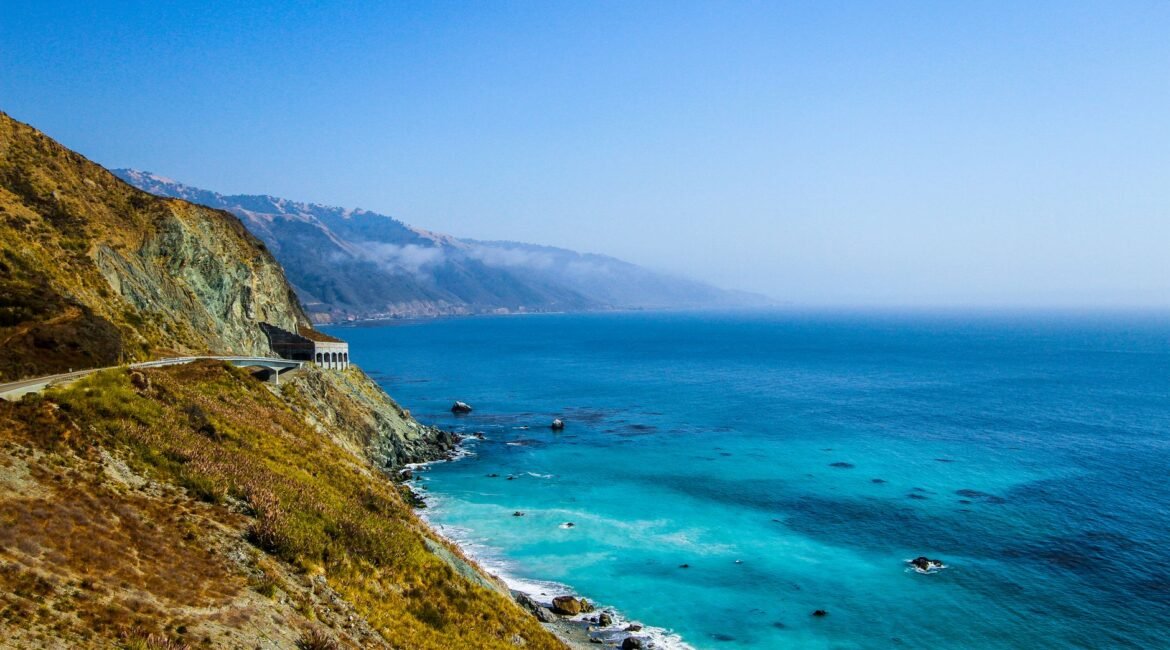
Let’s be real — most California coast road trip itineraries make it look like you can knock out 10 stops, hike a trail, grab a sunset photo, and still check into your hotel by 6 PM. They can’t. Driving Pacific Coast Highway is breathtaking, but it’s also slow, winding, and gloriously distracting in the best way.
This guide is built around realistic driving times, so you actually get to enjoy the stops instead of just checking them off. Whether you’re starting from Los Angeles, San Diego, or San Francisco, there’s a route here that works for you.
Quick note on road conditions: Highway 1 through Big Sur has a history of closures due to landslides and winter storms. Always check Caltrans QuickMap before you go. This guide was last reviewed for 2026–2027 conditions, but always verify current road status.
Should You Drive North-to-South or South-to-North?
This is the most common question, and the honest answer is: south-to-north gives you ocean views on the driver’s side (you’re hugging the coast), which many travelers prefer. North-to-south puts the views on your passenger’s side, but means you’re heading toward the warmer, more urban end of the trip.
- Starting in LA or San Diego? Drive north. Views are better, and you build toward the dramatic Big Sur section at peak energy.
- Starting in San Francisco? Drive south. You’ll hit Big Sur while it’s fresh, then wind down into Santa Barbara and SoCal.
- Flying into one city, out of another? One-way car rentals are available but often carry a drop fee — factor that into your budget planning.
For this itinerary, we’ll use Los Angeles as the base starting point, with notes for San Diego and San Francisco variations at the end.
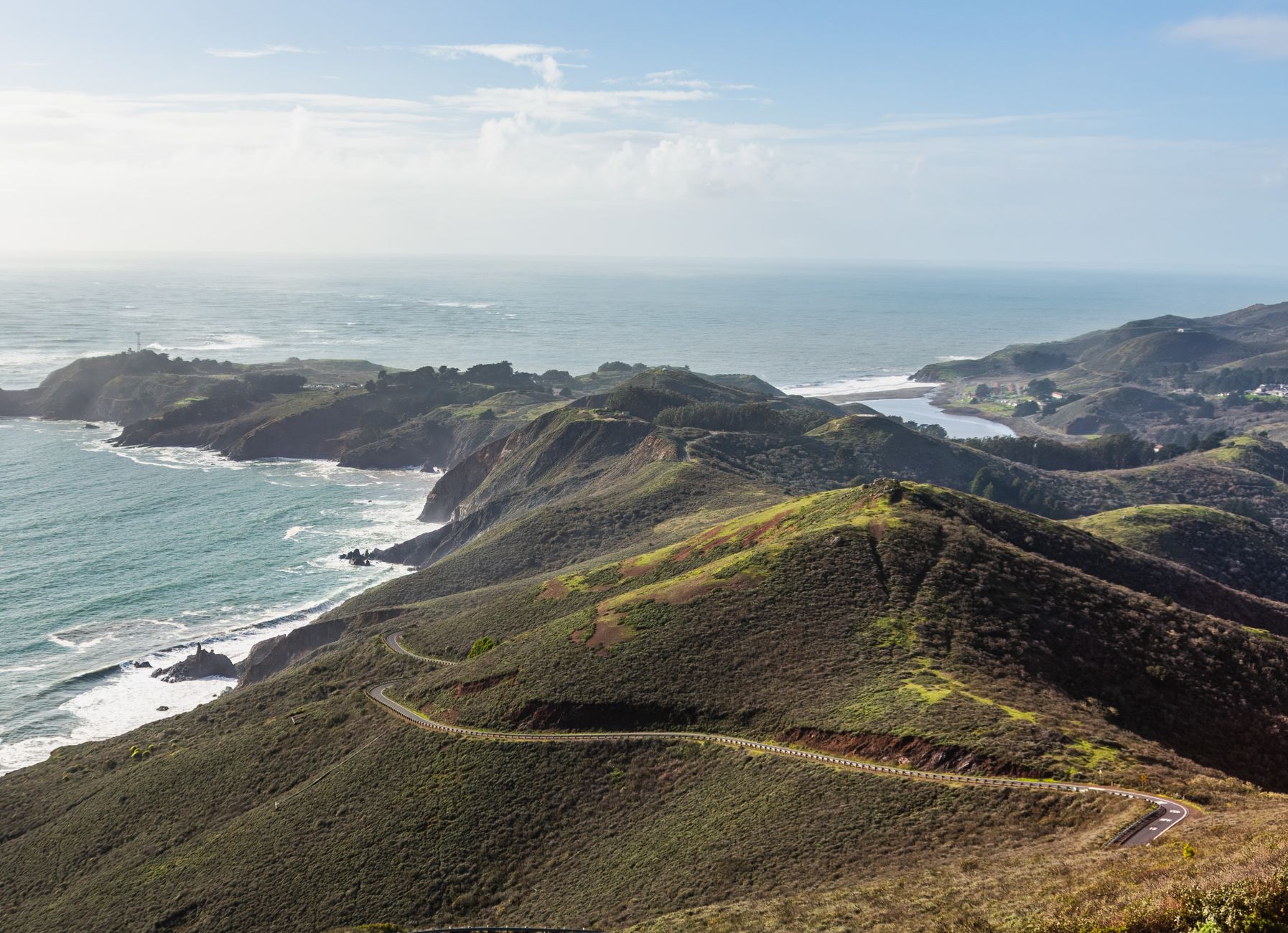
Day-by-Day Breakdown: LA to San Francisco in 7 Days
Day 1: Los Angeles → Malibu → Santa Barbara
Driving: ~2 hours (95 miles), but allow 3–4 hours with stops
Start your morning in LA and head north on PCH through Malibu. Stop at El Matador State Beach — the sea stacks are worth it, and parking is manageable if you arrive before 9 AM. Grab breakfast in Santa Monica before you leave.
Malibu’s coastline stretches longer than most people expect, so don’t rush it. Spend an hour here, then push toward Santa Barbara for the night.
Where to sleep in Santa Barbara:
- Budget: Hotel Santa Barbara (~$150–$200/night in shoulder season)
- Mid-range: Kimpton Canary Hotel (great rooftop, right downtown)
- Splurge: Four Seasons Resort The Biltmore (~$600+/night — worth it if it’s a special trip)
Where to eat: Lure Fish House on State Street is a solid choice for fresh seafood without the tourist markup. Note: prices and availability shift seasonally, so check current reviews before you go.
Day 2: Santa Barbara → San Luis Obispo → Morro Bay
Driving: ~2 hours (100 miles), allow 3–4 hours
Santa Barbara’s downtown and mission are worth a quick morning walk. Then head north through wine country to San Luis Obispo (SLO). Stroll Higuera Street, grab coffee at a local café, and check out Bubblegum Alley if you’re into quirky roadside stuff.
End the night in Morro Bay, where Morro Rock sits dramatically in the harbor. It’s underrated, genuinely peaceful, and a great place to reset before Big Sur.
Where to sleep in Morro Bay:
- Budget/Mid-range: Inn at Morro Bay — comfortable, harbor views, reasonable prices
- Budget: Multiple motels along Main Street run $100–$150/night
Fuel note: SLO and Morro Bay are your last reliable fuel stops before entering the sparse Big Sur stretch. Fill up here.
Day 3: Morro Bay → Cambria → Hearst Castle → Big Sur
Driving: ~2.5 hours (75 miles), allow 5–6 hours total with stops
This is a big day, so start early — 7:30 AM if possible.
First stop: Cambria, a charming coastal town worth 30–45 minutes. Head north to Hearst Castle (advance reservations required — book at hearstcastle.org). Tours run about 1–1.5 hours. It’s genuinely impressive, not just a tourist checkbox.
Then push into Big Sur. Pfeiffer Beach requires a permit in peak season (check recreation.gov ahead of time). The purple sand and sea arch are as dramatic as photos suggest — plan 1–1.5 hours here. Bixby Creek Bridge is a quick pullout photo stop on the way north.
Where to sleep in Big Sur:
- Budget: Fernwood Resort (cabins from ~$150–$200/night)
- Mid-range: Glen Oaks Big Sur
- Luxury: Post Ranch Inn (~$1,000+/night — one of the most spectacular hotels in the US)
Cell service warning: Big Sur has major dead zones. Download offline Google Maps before you leave Morro Bay.
Day 4: Big Sur → Point Lobos → Carmel-by-the-Sea → Monterey
Driving: ~1.5 hours (40 miles), allow 5 hours with stops
Today is lighter on driving and heavier on experiences — which is exactly how it should feel by Day 4.
Point Lobos State Natural Reserve is one of the most beautiful reserves on the entire California coast. Go early (gates open at 8 AM), and you’ll have the cypress groves and coves mostly to yourself. Allow 2 hours minimum.
Carmel-by-the-Sea is walkable, charming, and very photogenic. Explore the village, walk to Carmel Beach (dogs run free here — it’s delightful), and grab lunch. Carmel has excellent dining options across all price ranges.
Finish the day in Monterey. The Monterey Bay Aquarium is genuinely world-class — buy tickets in advance, and give yourself 3+ hours inside.
Where to sleep in Monterey:
- Budget: Motel 6 or Comfort Inn near Munras Ave (~$100–$160/night)
- Mid-range: Spindrift Inn on Cannery Row
- Luxury: InterContinental The Clement Monterey
Day 5: Monterey → Santa Cruz → Half Moon Bay
Driving: ~2 hours (75 miles), allow 3–4 hours
A slightly more relaxed day. Santa Cruz is fun, funky, and family-friendly — the Boardwalk is genuinely enjoyable if you have kids. Steamer Lane is one of the most famous surf spots in California if you’re into watching the sport.
Half Moon Bay is the hidden gem of this stretch. It’s close to San Francisco but feels remote. Fitzgerald Marine Reserve has incredible tide pools at low tide (check tide charts in advance). The blufftop trail is also a great short hike with dramatic views.
Where to sleep in Half Moon Bay:
- Mid-range/Luxury: The Ritz-Carlton Half Moon Bay (iconic cliffside setting, splurge-worthy)
- Mid-range: Harbor View Inn (~$180–$250/night)
Day 6: Half Moon Bay → San Francisco
Driving: ~45 minutes (28 miles)
Short drive. Use today to explore San Francisco properly — you’ve earned a slow morning. Cross the Golden Gate Bridge (technically a free experience from the pedestrian path), visit the Ferry Building Marketplace for breakfast, and explore whatever neighborhood calls to you.
If you want to extend the northern leg, you can add a detour to Muir Woods (reservation required — recreation.gov) for old-growth coastal redwoods just north of the city.
Where to sleep in San Francisco:
- Budget: HI San Francisco City Center (~$50–$80/night hostel)
- Mid-range: Hotel Zephyr near Fisherman’s Wharf
- Luxury: The St. Regis San Francisco or The Battery (members club, but worth knowing about)
Day 7: San Francisco flex day or drive to Redwoods
Optional extension: ~3.5 hours north to Redwoods National and State Parks
If you have an extra day or want to push north, Crescent City serves as the gateway to Redwoods National and State Parks. The Avenue of the Giants and Lady Bird Johnson Grove are among the most humbling natural places in the country. This is a better fit if you have 8–9 days total.
For most people, Day 7 is a San Francisco exploration day before flying home. Use it well.
Starting from San Diego? Here’s Your Adjustment
Add roughly 2–2.5 hours to Day 1 (San Diego to Malibu is ~130 miles and can push 3 hours with traffic). Consider breaking Day 1 into San Diego → Laguna Beach overnight, then pushing to Santa Barbara on Day 2. The rest of the itinerary stays largely the same.
Starting from San Francisco? Reverse It
Flip the itinerary south. Start with Muir Woods and Half Moon Bay, move through Santa Cruz and Monterey, then hit Big Sur while you’re still fresh. The tradeoff: you’ll end in LA with urban traffic rather than the peaceful arrival into San Francisco.
Budget Breakdown (Per Day, Per Person, 2026–2027 Estimates)
These are honest estimates — prices vary significantly by season and how far in advance you book.
| Category | Budget | Mid-Range | Splurge |
|---|---|---|---|
| Accommodation | $70–$130 | $180–$280 | $400–$1,200 |
| Food | $40–$60 | $70–$100 | $120–$200 |
| Gas (shared) | $15–$25/day | Same | Same |
| Activities | $20–$40 | $50–$80 | $100+ |
| Daily total | ~$150–$250 | ~$300–$460 | $620+ |
Gas prices along PCH can be significantly higher than inland California — especially in Big Sur, where options are extremely limited. Fill up in larger towns.
Best Time to Visit (Honest Seasonal Guide)
- Summer (June–August): Warmest weather, but heavy crowds, higher prices, and coastal fog (“June Gloom”) in the mornings. Expect traffic jams at popular pullouts.
- Fall (September–October): Best overall balance. Fewer crowds, warm temps, clear skies. Book accommodations early — fall is growing in popularity.
- Winter (November–February): Beautiful, dramatic, but Highway 1 through Big Sur can close due to slides or storms. Always check Caltrans before traveling. Some businesses close or reduce hours.
- Spring (March–May): Wildflowers, fewer crowds than summer, reasonable prices. Fog is possible but manageable.
Packing Essentials for California Coast Weather
The coast runs cooler than people expect — even in summer. Pack:
- Light layers (hoodie or fleece for mornings and evenings)
- Windproof jacket
- Comfortable walking shoes with grip (coastal trails get slippery)
- Sunscreen (UV is strong even through fog)
- Reusable water bottle
- Offline maps downloaded before entering Big Sur
- Portable charger (limited outlets at some campsites and older motels)
Can You Do This with Kids?
Absolutely — with some adjustments. The Monterey Bay Aquarium, Santa Cruz Boardwalk, Hearst Castle, and Morro Bay are all genuinely family-friendly. Big Sur hiking trails range from easy strolls to strenuous climbs — pick accordingly. The longer driving days (Day 3 especially) may need audio books or activity packs for younger kids.
For a more adventure-focused trip without kids, swap Santa Cruz Boardwalk time for sea kayaking in Monterey or a guided backpacking night in the Big Sur backcountry.
A Few More Planning Tips
Before you hit the road, it helps to think through your overall trip logistics. If you’re still in the early planning stages, this road trips near me checklist is a great starting point — even for longer trips, the framework is useful. And if you’re trying to decide between this guide and a dozen others you’ve found online, here’s how to compare travel guides before booking a US trip so you can make sure you’re using reliable information.
Want to keep the itinerary accessible while you’re offline in Big Sur’s dead zones? A free digital travel guide can be easier to use on the road than a blog post that requires a signal.
The California coast is one of the most spectacular drives in the world — but only if you give yourself permission to slow down and actually experience it. Seven days is enough to do it justice. Just don’t try to squeeze in everything at once.
Ready to plan the rest of your US travel? Explore more itineraries at ExploreUSNow or browse all travel categories to find your next destination.
[…] if you're weighing a Pacific Coast road trip as a mainland add-on before flying to Hawaii, our 7-Day California Coast Road Trip Itinerary 2026-2027 is a natural companion […]
[…] the West Coast is calling, our 7-Day California Coast Road Trip Itinerary 2026-2027 pairs perfectly with a NYC trip for an East-to-West Coast adventure. Hawaii more your speed? The […]
[…] other US trips alongside Texas? Check out the 7-Day California Coast Road Trip Itinerary 2026-2027 for a very different kind of American road trip — both are iconic for good […]
[…] about more American road trip adventures, we've got you covered across the country. Our 7-Day California Coast Road Trip Itinerary 2026-2027 and Texas Road Trip 5 Days Itinerary 2026-2027 follow the same practical-first format. And if […]
[…] if you're comparing Hawaii to other U.S. destinations before you commit, check out our 7-Day California Coast Road Trip Itinerary 2026-2027 for another spectacular week-long option at a different price […]
[…] you're planning other legs of a bigger US trip, check out our 7-Day California Coast Road Trip Itinerary 2026-2027 and our broader Travel USA 2026-2027: Regions, Costs & Entry Tips for context before you book […]
[…] — shorter, more dramatic, and great for a long weekend. On the other side of the country, the 7-Day California Coast Road Trip Itinerary is one of the most iconic drives in the US. Or if you want to go deep into the southwest, the […]
[…] your California time? Our 7-Day California Coast Road Trip Itinerary 2026-2027 has you […]
[…] a longer drive through the state? Check out this 7-Day California Coast Road Trip Itinerary 2026-2027 for a route that pairs wine country with the Pacific Coast […]
[…] our New York to Florida Road Trip Route 2026-2027 is a natural next chapter. Heading west? The 7-Day California Coast Road Trip Itinerary and Texas Road Trip 5 Days Itinerary are both worth bookmarking. And if you want something […]
[…] other US trips alongside your Hawaii adventure? We've got you covered with guides like our 7-Day California Coast Road Trip Itinerary 2026-2027, the Las Vegas to Grand Canyon Road Trip 2026-2027, and the Texas Road Trip 5 Days Itinerary […]
[…] anyone extending this into a California trip, our 7-Day California Coast Road Trip Itinerary 2026-2027 shows how to continue the journey […]
[…] California Nevada Road Trip Itinerary 2026-2027 pairs beautifully with a wine country stop, and our 7-Day California Coast Road Trip Itinerary 2026-2027 covers the full Pacific Coast Highway […]